Top Coax Adapters for Global Buyers Which Are Best?
Global buyers are asking a practical question: which coax adapters deserve confidence? The answer depends on more than price. Connector type, impedance, frequency range, VSWR, insertion loss, plating, and environmental sealing can change field performance. A small mismatch may create visible signal loss, especially in high-frequency systems.
Industry reports support this growing need for careful selection. MarketsandMarkets’ RF connector research identifies telecommunications, aerospace, defense, and test equipment as major demand areas. Grand View Research also reports continued expansion in the global coaxial cable market, driven by broadband upgrades, wireless infrastructure, and connected devices. These trends increase demand for reliable coax adapters across mixed regional standards. Yet market size alone cannot identify the best product.
As signal-integrity expert Howard Johnson has stated, “Interconnects are part of the circuit.” That principle deserves attention here. An adapter is not merely a mechanical bridge between SMA, N-type, BNC, TNC, or F-type interfaces. It affects impedance continuity, shielding, durability, and installation risk. Buyers should request datasheets, test reports, material details, and traceable compliance records. IEC 61169 standards can help establish a common technical reference.
No ranking is perfect. A laboratory-grade adapter may be excessive for home broadband equipment, while a low-cost unit may fail outdoors. In this guide, we compare leading options through specifications, application fit, supplier reliability, and total ownership value. The right choice is not always the cheapest one. Sometimes, the overlooked detail matters most.
What Coax Adapters Are and How Global Buyers Use Them
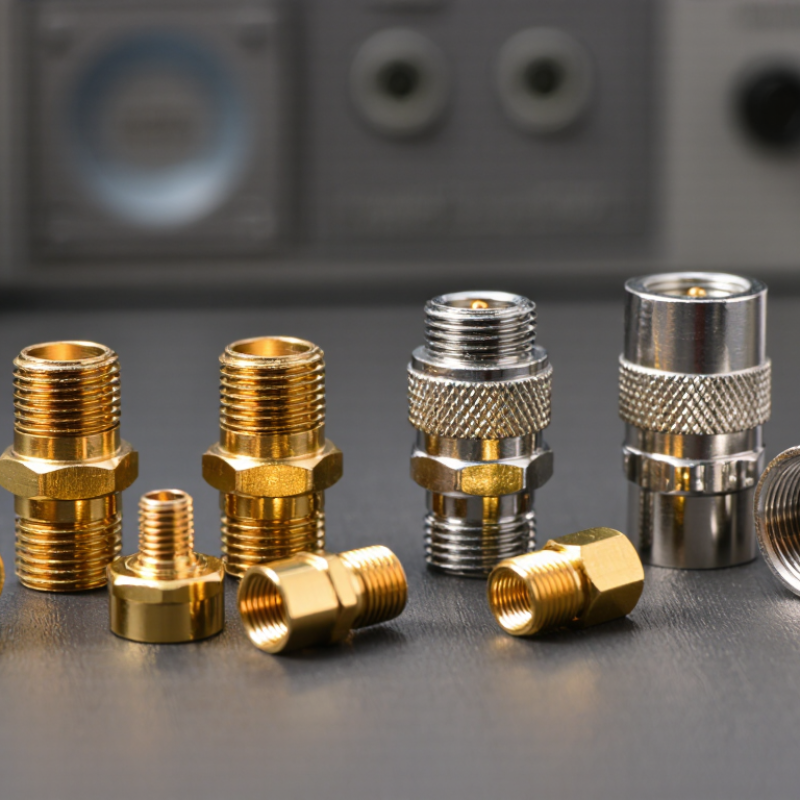
Coax adapters are small components that connect cables, ports, or equipment with different connector formats. They do not improve a weak signal by themselves. Their main job is to provide a secure electrical and mechanical connection. Common uses include broadband equipment, surveillance systems, radio devices, antennas, and laboratory instruments.
Global buyers usually compare connector type, impedance, frequency range, and installation method. A 50-ohm adapter suits many radio and wireless systems, while 75-ohm parts are common in video and television applications.
Threaded connectors resist vibration, but push-on designs save installation time. Buyers should check dimensions carefully. Names can vary between regions, even when products appear similar.
Practical sourcing requires more than checking photographs. Request technical drawings, material details, plating information, and test data for insertion loss and return loss. Samples should be fitted to the intended cable before placing a larger order.
I have seen purchasing teams overlook gender, thread direction, or cable diameter. Small errors can stop an entire installation. Shielding quality also matters near strong electrical noise.
Weather-exposed projects may need sealed bodies and corrosion-resistant materials. Datasheets are useful, but they are not perfect. Real cable fit and field testing can reveal problems that specifications miss.
Key Adapter Types for Different Coaxial Cable Connections
Top Coax Adapters for Global Buyers: Which Are Best?
Choosing an adapter starts with the cable interface, not the product photograph. F-type adapters suit threaded 75-ohm connections used in television and broadband systems. BNC adapters provide quick bayonet coupling for test equipment and surveillance hardware. N-type adapters offer stronger threads and better sealing for outdoor radio links. SMA and TNC versions commonly serve compact 50-ohm RF assemblies. Always verify gender, impedance, operating frequency, and required cable direction.
The 2024 Fortune Business Insights report estimates the global coaxial cable market at about USD 33.58 billion in 2024. It projects growth to approximately USD 49.14 billion by 2032. That expansion increases adapter demand, but market forecasts differ by research method. This deserves caution. A low-cost converter may fit mechanically while creating impedance mismatch, signal reflection, or noticeable insertion loss. In field work, I check the connector drawing and datasheet before ordering. A 75-ohm F-to-BNC connection can be useful, but it is not automatically ideal for every RF system.
For exterior installations, inspect sealing washers, plating, and weatherproof torque requirements. For laboratory connections, prioritize stable coupling and documented return-loss performance. Threaded N-type parts need careful tightening. Over-tightening can damage the interface. Clean contacts matter more than many buyers expect. Dust inside a small SMA adapter can become an intermittent fault. The IEC 61169 connector standards provide useful dimensional guidance, yet suppliers may still describe tolerances differently. Request sample inspection when purchasing across borders.
| Adapter Type | Common Connection Formats | Nominal Impedance | Typical Frequency Capability | Coupling Method | Best-Fit Applications | Key Buying Considerations |
|---|---|---|---|---|---|---|
| F-Type Adapter | F male to F female, F male to BNC or RCA | 75 ohms | Approximately DC to 1 GHz for common television and satellite versions | Threaded | Satellite television, cable television, terrestrial television, broadband cable systems | Choose a 75-ohm version for television systems. Compression-style cable interfaces generally provide better shielding than simple push-on designs. |
| BNC Adapter | BNC male to BNC female, BNC to F, N, SMA or TNC | 50 or 75 ohms | Common versions range from DC to 1 GHz; precision versions can extend to several GHz | Bayonet locking | Test instruments, laboratory equipment, video systems, radio equipment and control systems | 50-ohm and 75-ohm BNC interfaces are not interchangeable for impedance-sensitive RF systems. Confirm the impedance before ordering. |
| N-Type Adapter | N male to N female, N to BNC, SMA or TNC | 50 or 75 ohms | Typically DC to 11 GHz for common 50-ohm designs; lower for some 75-ohm designs | Threaded | Outdoor wireless links, cellular infrastructure, antennas, microwave and industrial RF systems | Look for weather-resistant sealing, suitable cable size, and a frequency rating that exceeds the operating band. |
| SMA Adapter | SMA male to SMA female, SMA to BNC, N, TNC or MMCX | 50 ohms | Common versions operate from DC to 18 GHz; precision versions may reach higher frequencies | Threaded | Wireless modules, antennas, GPS equipment, test equipment and high-frequency RF assemblies | Use only the specified torque and avoid repeated mating where possible. Verify connector gender, polarity and maximum frequency. |
| TNC Adapter | TNC male to TNC female, TNC to BNC, N or SMA | 50 ohms | Typically DC to 11 GHz, depending on construction | Threaded | Mobile communications, antennas, navigation equipment and vibration-prone installations | The threaded coupling offers greater resistance to vibration than a bayonet coupling. Check whether standard or reverse-polarity TNC is required. |
| UHF Adapter | UHF male to UHF female, UHF to BNC or N | Usually used in 50-ohm systems; not a constant-impedance connector | Commonly used below approximately 300 MHz | Threaded | Amateur radio, legacy broadcast equipment, low-frequency transmitters and general RF cabling | Not recommended for precision microwave applications. Confirm the required frequency, power level and cable termination style. |
| RCA Coaxial Adapter | RCA male to RCA female, RCA to F or BNC | Typically 75 ohms for composite video; impedance may be unspecified for general audio use | Best suited to baseband audio and video; not normally selected for high-frequency RF | Push-fit | Consumer video, legacy audio equipment and low-frequency signal connections | Use a 75-ohm construction for video. The push-fit connection is convenient but offers less mechanical retention than threaded or bayonet connectors. |
| SMB Adapter | SMB male to SMB female, SMB to SMA or BNC | 50 ohms | Common versions operate from DC to approximately 4 GHz | Snap-on | Automotive electronics, compact instruments, internal equipment wiring and GPS assemblies | Suitable where fast installation and compact size matter. It is less secure than threaded connectors in high-vibration or outdoor environments. |
| MMCX Adapter | MMCX male to MMCX female, MMCX to SMA or TNC | 50 ohms | Common versions operate from DC to approximately 6 GHz | Snap-on | Compact wireless devices, embedded antennas, navigation equipment and miniature RF modules | Check the connector orientation and right-angle clearance. The small form factor is useful for space-limited designs but is less robust than larger interfaces. |
| Selection note: Match the adapter's impedance, connector gender, polarity, frequency range, cable size, environmental rating and coupling style to the complete coaxial connection. Frequency and power ratings vary by construction, so the supplier's technical datasheet should be used for final verification. | ||||||
How to Compare Impedance, Frequency Range, and Signal Performance
Top Coax Adapters for Global Buyers Which Are Best?
Choosing a coax adapter should begin with impedance, not appearance. A 50-ohm adapter suits many wireless, test, and data systems. A 75-ohm adapter commonly supports video and broadcast equipment. Mixing these values can increase reflections, weaken signals, and distort measurements. It may still connect physically, but that does not mean it performs correctly.
Check the stated frequency range against your actual application. An adapter rated to 6 GHz may behave differently near its upper limit. Look for insertion loss, return loss, and VSWR figures. Lower insertion loss preserves more signal power. Better return loss indicates fewer reflected waves. Connector quality, contact plating, and shielding also matter in crowded equipment cabinets. In practical testing, I would compare results with the cable attached, because an adapter can look excellent alone. That step is easy to overlook. My own evaluation can be imperfect when test cables are not calibrated carefully.
Tips: Confirm impedance on both connected devices. Compare measurements at your working frequency, not only the advertised maximum. Inspect the datasheet for test conditions, connector type, temperature range, and mating cycles. A compact adapter is useful, but excessive bending near its connection can create unstable readings. Record insertion loss across several frequencies. Small differences become important in long cable runs, sensitive receivers, and high-frequency installations. Ask for traceable test data when the application requires dependable field performance.
Which Materials, Connectors, and Standards Suit Each Market
Choosing a coax adapter for a global market requires more than matching thread size. The material should fit the environment. Nickel-plated brass suits indoor equipment and moderate humidity. Stainless steel handles harsher outdoor conditions, but it usually costs more. Gold-plated contacts can reduce surface oxidation in precision connections, though plating quality matters more than appearance.
Connector standards differ by application and region. Many television systems use 75-ohm F or IEC connectors. Wireless infrastructure commonly uses 50-ohm N, SMA, or TNC interfaces. A mismatch between 50 and 75 ohms may increase signal reflection and reduce performance. Check the equipment manual, cable impedance, and local technical standard together. Do not rely on a familiar connector alone.
Mechanical details also deserve close inspection. Metric and imperial threads can look almost identical. They are not interchangeable. For outdoor installations, select an adapter with suitable sealing, stable dielectric material, and an operating temperature range matching the site. PTFE performs well in demanding RF applications, while lower-cost plastics may deform near heat sources. A practical purchasing check should include insertion loss, return loss, plating thickness, and sample fit tests. Specifications can be incomplete. That is an uncomfortable but common risk. Request test reports, then verify a small batch before placing a large international order.
Top Coax Adapters for Global Buyers: Which Options Are Best?
Representative upper-frequency capability of common coaxial connector families
Frequency values are representative upper ratings for commonly available connector designs; actual adapter performance depends on construction, cable type, impedance, and manufacturer testing.
How to Choose the Best Coax Adapter for Your Application and Region
Top Coax Adapters for Global Buyers Which Are Best?
Choosing the best coax adapter starts with the application, not the product photograph. A surveillance camera, satellite receiver, and cellular antenna can use different impedance, frequency, and connector requirements. Confirm 50-ohm or 75-ohm matching first. A mismatch can increase signal reflection and reduce link stability. Check insertion loss, return loss, VSWR, and the complete operating frequency range. The IEC 61169 connector series provides useful technical references, but local equipment manuals remain essential.
Global demand makes careful selection more important. The GSMA Mobile Economy 2024 report forecasts 5.5 billion 5G connections by 2030. Meanwhile, ITU Facts and Figures 2024 estimates that 5.5 billion people were online in 2024. These figures suggest more connected equipment, but they do not guarantee compatibility.
North American cable systems often use 75-ohm interfaces, while many radio systems use 50 ohms. Regional installation habits also differ. I have seen adapters fit mechanically yet fail electrically. That mistake is easy to miss.
Tips: Match connector type, gender, impedance, and cable diameter before ordering. Request test data for insertion loss and VSWR. For outdoor use, inspect sealing, corrosion resistance, and temperature ratings. Confirm whether the adapter supports your region’s frequency bands. A cheap adapter may be acceptable for a short indoor cable, but longer runs need better shielding and tighter tolerances. Recheck the datasheet. Human assumptions are not measurements.
Related Posts
-
How to Choose the Right Coax Connectors for Your Needs?
-

China Top Coax Tools Guide for Professionals and DIY Enthusiasts?
-
10 Best Coax Connectors for Global Buyers?
-
Top 10 Benefits of Structured Cable for Your Network Needs?
-
What Are the Top Types of Coax Tools?
-

What is Fiber Network Cable and How Does It Work?