How to Use Fiber Optic Wire for Fast Internet Connections?
In today's digital age, fast internet connections are essential. Businesses and individuals rely on them for seamless communication and accessing information. Fiber optic wire, made from glass or plastic, has transformed internet speed and reliability. According to a report by the Fiber Optic Industry Association, fiber optic networks can deliver data speeds of up to 1 Gbps. This is significantly faster than traditional copper wire connections.
However, implementing fiber optic wire can be complex. It requires specialized installation and careful planning. Not all locations may have access to the necessary infrastructure. Despite this, the benefits are clear: reduced latency and improved bandwidth. A study by the International Telecommunication Union indicates that 80% of users experience a noticeable difference in speed with fiber optic connections.
Adopting fiber optic wire is not without its challenges. Costs can be high, and some users may struggle with the transition. The demand for faster internet continues to grow. Companies must explore the capabilities of fiber optics to meet consumer expectations. Balancing cost with the need for speed is a critical reflection point for many. The journey to implementing fiber optic technology is worth considering, given its potential to enhance connectivity.

Understanding Fiber Optic Technology and Its Advantages
Fiber optic technology is revolutionizing internet connections. This technology uses thin strands of glass or plastic to transmit data as light signals. It allows for incredibly high speeds and bandwidth. Users often experience faster downloads and smoother streaming. The advantages extend beyond speed.
Fiber optics are less susceptible to interference compared to copper cables. This means a more reliable connection, especially in crowded areas.
Another benefit is the longer distance. Fiber optic cables can send signals over much greater lengths with minimal loss. However, installation can be a challenge. It often requires digging and careful handling. Not all providers offer it, which can lead to access issues. Despite these drawbacks, the improvements in performance are hard to ignore. It transforms how we communicate and access information. The technology is crucial for future advancements, pushing the boundaries of what the internet can provide.
Components of Fiber Optic Cables and Their Functions
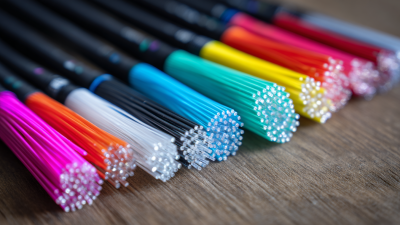
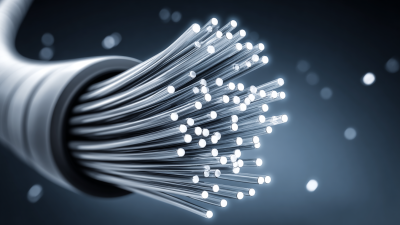
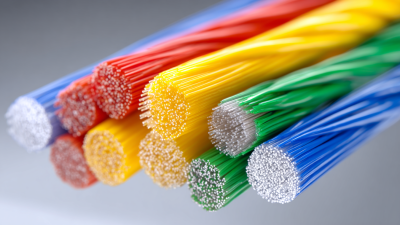
Fiber optic cables are composed of several key components that work together to deliver high-speed internet. At the heart of these cables are glass or plastic fibers. These fibers transmit data as light signals. They are incredibly thin. A single fiber is thinner than a human hair. This structure allows for minimal signal loss over long distances.
Surrounding the fibers, there’s a core and cladding. The core is where light travels, while the cladding keeps the light contained. This feature is essential. It prevents signal degradation and loss. An outer protective layer shields the cable. This layer is crucial for durability. It protects against environmental factors and potential damage.
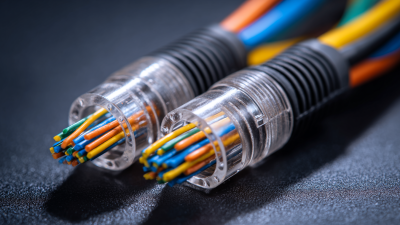
Connectors are also important. They ensure that fibers can easily connect to devices. Poor connections can lead to slower speeds or interruptions. Improper installation can compromise performance. Fiber optic technology is not perfect, and challenges still exist. Understanding these components can help users appreciate their role and identify potential issues.
Installation Process for Fiber Optic Wiring at Home
Installing fiber optic wiring at home can seem daunting. However, with the right approach, it becomes manageable. Begin by gathering essential tools such as a fiber stripper, cleaver, and connectors. Measure your space carefully. You need to determine how much cable you will require. It's crucial to avoid unnecessary waste during installation.
Next, prepare the area for installation. Clear any obstacles that may affect access to your walls or ceilings. When running the fiber optic cables, be cautious of sharp edges. Make sure to maintain a minimum bend radius. If cables are bent too tightly, they may suffer damage. Splitters should be considered if you're distributing the connection across multiple rooms.
The termination process can be tricky. It requires precision and patience. Each connector needs to be installed correctly to ensure optimal performance. Testing your connections after installation is vital. It helps identify issues early. Regular maintenance should not be overlooked. Periodically check for wear and tear. Address any problems immediately to avoid larger headaches later.
How to Use Fiber Optic Wire for Fast Internet Connections? - Installation Process for Fiber Optic Wiring at Home
| Step |
Description |
Estimated Time |
Tools Required |
| 1 |
Assess the site for installation. |
1 hour |
Tape measure, notepad |
| 2 |
Select the appropriate fiber optic cable. |
30 minutes |
Cable catalog |
| 3 |
Plan the installation route. |
1 hour |
Mapping tools |
| 4 |
Install cable conduits or raceways. |
2 hours |
Drill, screws, conduits |
| 5 |
Run the fiber optic cables through the conduits. |
1 hour |
Cable puller |
| 6 |
Terminate the fiber optic cables at endpoints. |
1.5 hours |
Fiber termination tools |
| 7 |
Test the connections for integrity. |
1 hour |
Optical power meter |
| 8 |
Finalize installation and clean up the area. |
30 minutes |
General cleaning tools |
Choosing the Right Fiber Optic Service Provider for Your Needs
Choosing the right fiber optic service provider can feel overwhelming. Many options are available. To start, consider your specific needs. Are you a gamer? Do you stream content often? Understanding your usage is key.
Research local providers. Look for reviews and testimonials. Reach out to friends or neighbors for recommendations. Communication is crucial. Ask potential providers about installation time and support services. Are they responsive? Poor customer service can lead to frustration down the line.
Compare plans and pricing. Cheap may not always mean good value. Some companies may advertise low rates, but hidden fees can add up. Take your time to evaluate everything. Sometimes, the best choice isn't the most popular one. It’s essential to weigh your options wisely.