Platinum Tools®

We Make Connections EZ!

Why Choose Fiber Optic Ethernet Cable for Global Networks?

Global networks demand speed, stability, and predictable performance across offices, campuses, and data centers. A fiber optic ethernet cable addresses these needs by carrying data through light rather than electrical current. This design supports high bandwidth over long distances, often reaching hundreds of meters or several kilometers, depending on the fiber type and equipment. In a busy server room, it can connect switches without the electromagnetic interference produced by motors, power lines, or medical equipment.

Experienced network installers also value its lower signal loss and strong resistance to interference. A properly installed fiber link can support demanding applications, including cloud platforms, video conferencing, industrial monitoring, and distributed storage. The cable remains lightweight, which can simplify dense rack installations and reduce pathway congestion. Small details matter, though. Excessive bending, dusty connectors, or poor termination can weaken performance. Clean work is essential.

Fiber is not a universal answer. Copper may remain practical for short desktop connections, especially when power delivery is required. That judgment matters. Choosing the right fiber type, connector, transceiver, and testing method requires professional planning. Reliable projects normally include optical-loss testing, documented cable routes, and inspections before handover. Standards-based components also improve compatibility between international sites and network vendors. Even then, future bandwidth demands can be difficult to predict. A thoughtful design leaves room for upgrades, spare strands, and changing traffic patterns. For global networks, fiber optic ethernet cable offers a durable foundation, provided installation quality receives the same attention as headline speed.
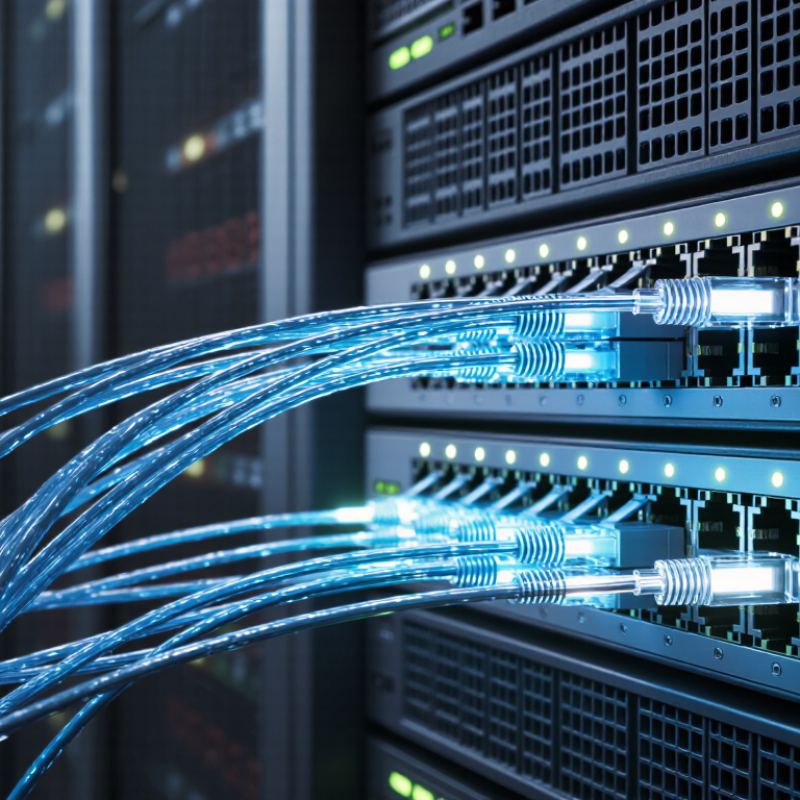
Why Choose Fiber Optic Ethernet Cable for Global Networks?

What Is Fiber Optic Ethernet and How Does It Work?

Fiber optic Ethernet carries network data as pulses of light through thin glass or plastic fibers. Unlike copper Ethernet, it does not send electrical signals across the cable. A transceiver converts electrical data from a switch into light. Another transceiver changes that light back into data at the receiving device.

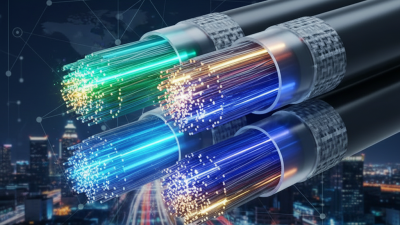
The fiber has a central core, a surrounding cladding, and an outer protective jacket. Light stays inside the core through internal reflection. Single-mode fiber uses a narrow core for long-distance connections between buildings, cities, and data centers. Multimode fiber has a wider core and usually serves shorter links inside facilities. Duplex cables commonly use one strand for sending and another for receiving.

It is fast and resistant to electromagnetic interference. That matters near motors, medical equipment, and heavy electrical wiring. A clean connection is essential. Dust on a connector can weaken the signal, even when the cable looks perfect. Small bends can also increase optical loss. I have seen installation teams secure fiber too tightly, then troubleshoot an unstable link for hours. The cable was not defective. The bend radius was simply ignored.

Ethernet switches read the incoming optical signal and forward data toward its destination. Network standards define speed, wavelength, and maximum reach. These details must match the transceivers and cable type. Fiber is not automatically the best choice for every short connection. Its connectors, testing tools, and repair process can require more care than copper. Yet, for long, high-capacity links, its low interference and large bandwidth remain practical advantages.

How Fiber Optic Ethernet Supports Global Network Connectivity

Fiber optic Ethernet helps global networks move data across long distances with minimal signal loss. This stability matters on international links. Light travels through glass strands, reducing electromagnetic interference near factories, rail systems, and dense power equipment. During network planning, engineers can connect data centers, offices, and remote facilities across continents. The result is consistent bandwidth for cloud access, video meetings, and real-time business systems. It also supports high-capacity upgrades without replacing the entire pathway.

Global connectivity depends on more than speed. Cable routes need careful testing, suitable transceivers, and clean terminations. A technician checks insertion loss, return loss, and connector condition before service begins. Small dust particles can weaken a connection. It matters. Fiber can also provide stronger resistance to signal interception than many copper links, because it does not radiate electrical signals in the same way. However, monitoring and route protection remain necessary.

From practical deployments, diverse paths have proved valuable when construction damage interrupts one route. Automatic failover can keep critical services available, although it adds cost and configuration work. Fiber is not a perfect answer. Repairs may require specialized tools, and poor capacity planning can still create congestion. Teams should document splice points, test links regularly, and review future traffic growth. Good engineering combines optical performance with disciplined maintenance and realistic risk planning.

Why Choose Fiber Optic Ethernet Cable for Global Networks?

How Fiber Optic Ethernet Supports Global Network Connectivity

Fiber optic Ethernet provides substantially longer reach than copper-based Ethernet while maintaining high bandwidth. The examples below reflect commonly specified Ethernet link distances and speeds from IEEE 802.3 standards and structured-cabling specifications. This extended reach helps connect data centers, metropolitan networks, subsea landing facilities, and international backbone infrastructure.

Key Advantages Over Copper Ethernet Cabling

Why Choose Fiber Optic Ethernet Cable for Global Networks?

Fiber optic Ethernet cable offers clear advantages over copper in large, distributed networks. It carries data across much longer distances without frequent signal regeneration. This matters when offices, warehouses, and data centers span several buildings or countries. Fiber also resists electromagnetic interference from motors, power lines, and industrial equipment. Copper can suffer in these environments.

Speed is another practical benefit. Fiber supports high bandwidth and stable performance as traffic grows. It also weighs less than thick copper bundles, making long-distance installation easier. In my field experience, cable pathways become noticeably less crowded after a fiber upgrade. Yet fiber is not automatically better. It needs compatible transceivers, careful cleaning, and proper handling. Installation mistakes can be expensive.

Tips: Check the required distance, connector type, and optical budget before ordering. Respect the cable’s bend radius. Test every link after installation, not only the first connection. Record test results for future maintenance.

Copper remains useful for short connections and powered devices because it can deliver data and electrical power through one cable. Fiber usually cannot provide that power directly. This trade-off is often overlooked during network planning. A mixed design may be more reliable: fiber for building backbones and long runs, copper for nearby endpoints. Dust on a connector can cause trouble. Small details matter. Technicians should use certified test equipment and follow current cabling standards, while reviewing local installation requirements for each site.

Why Choose Fiber Optic Ethernet Cable for Global Networks? — Key Advantages Over Copper Ethernet Cabling

Evaluation Dimension Fiber Optic Ethernet Copper Ethernet Practical Advantage for Global Networks
Typical Maximum Link Distance Multimode links commonly support up to approximately 100–550 m, depending on fiber category and data rate. Single-mode links can support many kilometers with suitable transceivers. Balanced twisted-pair Ethernet is generally limited to 100 m per channel, including patch cords, under common structured-cabling standards. Fiber enables longer building-to-building, campus, metro, subsea, and data-center interconnections with fewer intermediate switches or repeaters.
Supported Data Rates Supports Ethernet speeds from 1 Gb/s to 400 Gb/s and beyond, depending on the optical fiber, transceiver, connector, and network design. Common structured-cabling deployments support 1, 2.5, 5, or 10 Gb/s over appropriate distances and cabling categories; higher rates are more distance- and installation-dependent. Fiber offers a stronger long-term path for bandwidth-intensive applications such as cloud access, data centers, video transport, and backbone aggregation.
Electromagnetic Interference Immune to electromagnetic and radio-frequency interference because it carries information as light rather than electrical current. Can be affected by strong electromagnetic fields, electrical noise, grounding issues, and nearby high-power equipment if installation practices are inadequate. Fiber is particularly suitable for factories, utilities, transportation systems, medical environments, and long cable routes near power infrastructure.
Electrical Isolation and Ground Potential Provides galvanic isolation between network endpoints and does not create a conductive path for ground-potential differences. Uses conductive copper and may require careful grounding, bonding, and surge-protection planning between buildings or electrically separate areas. Fiber can reduce risks associated with lightning-induced surges, ground loops, and potential differences across large sites.
Signal Attenuation and Reach Stability Low attenuation over long distances; performance depends on optical loss, connector cleanliness, splicing quality, and transceiver specifications. Higher insertion loss and crosstalk sensitivity over distance; performance is more affected by cable length, termination quality, and electromagnetic conditions. Fiber provides more predictable backbone performance when links span large facilities, campuses, or regional infrastructure.
Latency Characteristics Very low propagation delay, approximately 5 microseconds per kilometer in fiber, plus transceiver and switching delays. Propagation delay is also low, approximately 5 microseconds per kilometer in copper, with differences usually determined more by active equipment than by the cable medium. Fiber’s primary latency benefit is its ability to maintain high-speed, long-distance links without frequent electrical repeaters; cable-medium latency alone is not usually decisive.
Security Against Physical Tapping Does not radiate electromagnetic signals in the same way as copper. Interception generally requires physical access and specialized optical equipment. Conductive signaling may produce detectable electromagnetic emissions, and unauthorized physical access can expose the electrical transmission path. Fiber can improve the physical-layer security profile of sensitive backbone, governmental, financial, and inter-site communications when combined with proper access controls and encryption.
Weight and Cable Diameter Usually lighter and smaller than equivalent high-pair-count copper trunks, especially for long-distance backbone routes. Typically heavier and bulkier for comparable backbone capacity, particularly when many copper pairs are required. Fiber can reduce pathway congestion, rack loading, shipping weight, and installation effort on large-scale network projects.
Power over Ethernet Capability Fiber itself cannot deliver electrical power. Hybrid fiber-copper solutions or separate power conductors are required for powered endpoints. Can carry both data and electrical power using standardized Power over Ethernet methods, subject to cable category, length, thermal limits, and device requirements. Copper is often preferable for access points, cameras, phones, and other edge devices that need power through the network cable; fiber is stronger for uplinks and backbones.
Installation and Termination Requires greater attention to bend radius, end-face cleanliness, connector polishing or pre-termination, optical testing, and protection from excessive pulling force. Generally easier to terminate and troubleshoot with common field tools, although correct pair layout, separation, grounding, and certification remain essential. Copper may offer simpler short-run deployment, while fiber rewards standardized pre-terminated systems and professional testing on critical or long-distance links.
Environmental Durability Unaffected by corrosion caused by electrical conductivity and resistant to many sources of electrical noise; cable construction must still match outdoor, armored, or high-flex requirements. Can be affected by corrosion, moisture ingress, mechanical stress, and electromagnetic exposure depending on the cable design and environment. Properly specified fiber is well suited to harsh, electrically noisy, outdoor, and inter-building environments, but it still requires appropriate physical protection.
Upgrade Flexibility Installed fiber infrastructure can often support higher data rates by changing optical transceivers, provided the fiber type, distance, connectors, and loss budget are suitable. Upgrades may require recabling when the existing category, length, channel quality, or crosstalk performance cannot support the target speed. Fiber can reduce the frequency of backbone recabling and help organizations plan for future bandwidth growth.
Best-Fit Network Role Core networks, data-center interconnects, campus backbones, carrier links, long-distance uplinks, and electrically challenging locations. Horizontal cabling, office connections, short equipment links, and edge devices that require Power over Ethernet. A mixed architecture is often the most practical: fiber for high-capacity backbone links and copper for short-distance endpoint connectivity.
Technical note: Actual performance depends on the applicable Ethernet standard, fiber or copper category, channel length, connectors, transceivers, installation quality, environmental conditions, and the required power budget. Distance and data-rate figures should therefore be verified against the planned network design and relevant cabling standards.

Factors to Consider When Choosing Fiber Optic Ethernet Cable

Why Choose Fiber Optic Ethernet Cable for Global Networks?

Choosing fiber optic Ethernet cable requires more than selecting the highest advertised speed. Start with the required distance, bandwidth, and network architecture. Single-mode fiber suits long connections between cities, campuses, and data centers. Multimode fiber often fits shorter links inside buildings. The wrong choice can create expensive replacement work later.

Environmental conditions matter just as much. Outdoor cables may need protection from moisture, ultraviolet light, temperature changes, and physical pressure. Indoor installations require suitable fire-performance ratings and careful routing near power cables. Connector type is another practical detail. Every connector, patch panel, and transceiver must match the selected fiber. Small compatibility errors can stop a link completely.

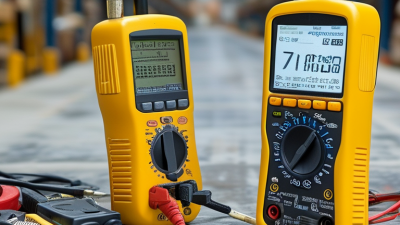
Installation quality deserves equal attention. Sharp bends may increase signal loss, even when the cable looks undamaged. Technicians should follow the cable’s minimum bend radius and pulling tension. Testing with an optical loss test set and visual fault locator provides useful evidence. Do not rely only on a link light. That shortcut feels efficient, but it can hide weak performance. Network managers should also check future capacity, spare routes, repair access, and local compliance requirements. Over-specifying every link wastes money, yet under-planning creates painful upgrades. A balanced design is harder to explain on a spreadsheet, but usually easier to maintain in real conditions.

Common Applications in International Network Infrastructure

Fiber optic Ethernet cable is widely used in international network infrastructure because it carries high data volumes across long distances with low signal loss. Submarine cable landing stations depend on fiber links between coastal facilities and inland data centers. These connections often operate continuously, even during heavy traffic or severe weather.

Data centers use fiber Ethernet for spine-and-leaf networks, storage links, and connections between separate buildings. Cross-border cloud platforms also rely on fiber backbones to connect regional facilities. In metropolitan networks, fiber links join hospitals, universities, financial centers, and public-service sites. They provide strong bandwidth without the electromagnetic interference common in crowded urban environments.

The cable choice must match the application. Single-mode fiber suits long-distance routes, while multimode fiber can support shorter data-center connections. Engineers check connector cleanliness, bend radius, attenuation, and transceiver compatibility before deployment. They also calculate the optical link budget and test completed routes with an optical time-domain reflectometer. Small details matter. A poorly secured cable may suffer damage during maintenance. Installation plans are not always perfect. Route diversity, spare capacity, and clear labeling can reduce the impact of future repairs. In remote regions, technicians may face limited access, unfamiliar weather conditions, or delayed replacement parts. This makes accurate documentation and practical testing as important as theoretical bandwidth.

Cut Strip Terminate Test