2025 Guide: Choosing the Best Fiber Optic Cable Termination Kit for Your Needs
As the demand for high-speed internet and better communication systems continues to surge, the role of fiber optic cables has become increasingly critical in telecommunications and data transmission. According to a 2022 report by industry analysts, the global fiber optics market is projected to reach $13.5 billion by 2026, reflecting the heightened reliance on these advanced technologies for seamless connectivity. In this context, selecting the right fiber optic cable termination kit is essential for both professionals and enthusiasts looking to ensure optimal performance in their installations.
A fiber optic cable termination kit is crucial for achieving reliable connectivity within fiber optic networks. These kits typically include a variety of tools and components that facilitate the termination process, enabling technicians to splice and connect fibers accurately. In 2023, nearly 45% of IT professionals surveyed indicated that improper termination was a significant cause of network downtime, underscoring the importance of using quality termination tools. This guide aims to provide insight into the critical factors to consider when choosing the best fiber optic cable termination kit tailored to your specific needs, ensuring that your network infrastructure operates at its highest potential.

Understanding Fiber Optic Cable Termination Kits and Their Importance
Fiber optic cable termination kits play a crucial role in establishing reliable and high-speed communication networks. These kits are essential for effectively connecting fiber optic cables to devices and ensuring optimal signal transmission. Understanding the components and functionality of termination kits can significantly enhance your ability to execute successful fiber optic installations.
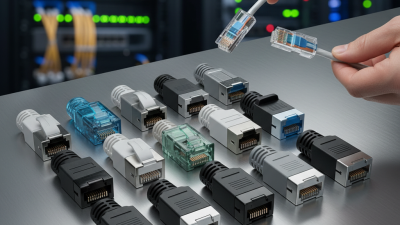
When choosing a termination kit, consider the types of connectors you require, as well as the specific tools included in the kit. It's vital to select a kit that matches your project needs, whether you're handling single-mode or multi-mode fibers. Different projects may call for various preparation tools, such as splicing or cleaving tools. Ensure that you familiarize yourself with the operation of each tool to avoid damage to the fibers during termination.
Tips: Always work in a clean, dust-free environment to prevent contamination of the fiber end faces. Moreover, practice proper technique when stripping and cleaving fibers, as precision is key to achieving optimal performance. Finally, regularly inspect the connectors for any signs of wear or damage to maintain the integrity of your fiber optic connections.
Key Features to Look for in a Termination Kit for Fiber Optics
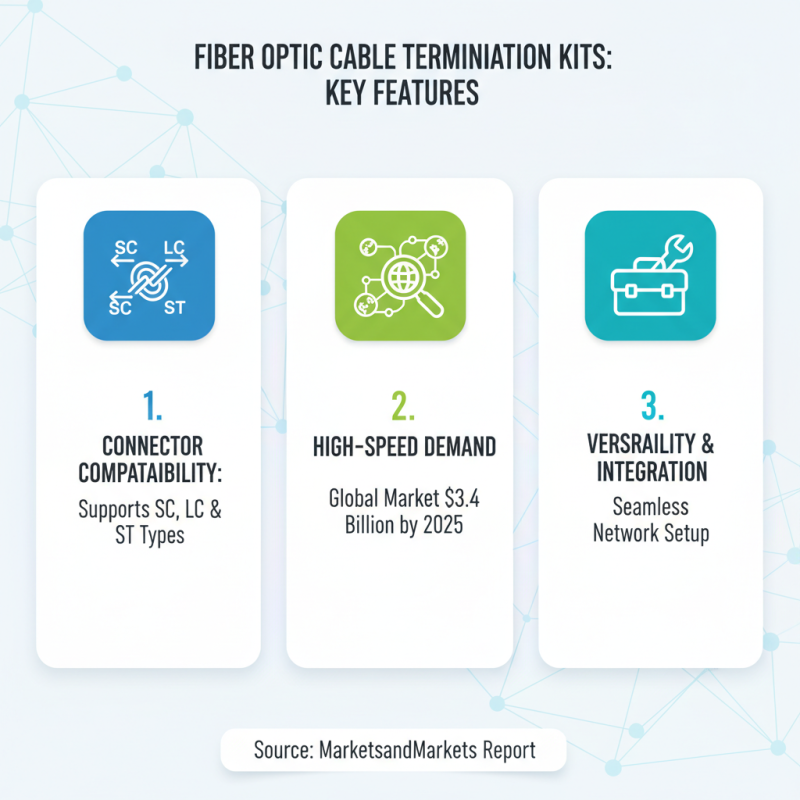
When selecting a fiber optic cable termination kit, it's essential to focus on key features that will meet your specific needs. One critical aspect is the type of connectors supported by the kit. According to a report by MarketsandMarkets, the global fiber optic connector market is projected to reach $3.4 billion by 2025, driven by increasing demand for high-speed internet and data transfer. Ensuring compatibility with various connector types—such as SC, LC, and ST—will enhance the versatility of your termination kit and allow for seamless integration into existing networks.
Another vital feature to consider is the included tools and accessories. A comprehensive termination kit should come equipped with not only the necessary crimping and stripping tools but also specialized cleaning supplies and testing equipment. Industry studies indicate that improper handling and contamination are significant factors leading to performance degradation in fiber optic links, with up to 70% of failures attributed to poor termination practices. A well-rounded kit that addresses these considerations can significantly reduce the risk of failures and enhance the reliability of your fiber optic installations.
Comparing Popular Fiber Optic Cable Termination Kits on the Market
When selecting a fiber optic cable termination kit, it is essential to consider several popular options available on the market. According to the latest industry reports, the demand for fiber optic installations is projected to grow significantly, with a CAGR of over 10% from 2023 to 2028. This expansion is primarily driven by the increasing need for high-speed internet connectivity and the rise of data-driven applications. As a result, the termination kits that cater to both professional installers and DIY enthusiasts have gained considerable traction.
Many fiber optic termination kits on the market come with a variety of features that meet the needs of different users. Some kits are designed for quick and efficient installations and come with pre-terminated cables, while others offer all-in-one solutions that include tools and connectors for custom termination. A survey conducted by industry analysts indicates that around 60% of technicians prefer kits that provide comprehensive toolsets, simplifying the installation process and minimizing errors. Furthermore, the availability of educational resources and training programs has also increased the confidence of users in utilizing these kits effectively, leading to higher quality installations and better overall network performance.
Step-by-Step Guide to Using a Fiber Optic Termination Kit
When it comes to deploying a fiber optic network, using a fiber optic termination kit is a crucial step that can significantly impact your installation’s performance and reliability. To begin the termination process, one must prepare the cables by stripping the protective layers and cleaning the fibers. According to industry reports, proper termination can reduce insertion loss by up to 0.5 dB, enhancing the overall efficiency of the network. Ensuring that your fibers are clean and well-prepared can lead to smoother installation and better long-term performance.
Using the termination kit correctly requires following several important steps. First, select the right type of connectors based on your network specifications. Next, carefully cleave the fiber to ensure a precise fit into the connectors. A common mistake is applying too much fiber adhesive, which can lead to problems like excessive connector loss. Additionally, it’s essential to test each connection with a suitable optical loss test set (OLTS) to confirm that your terminations meet the stipulated performance criteria.
Tips for successful usage include maintaining a clean work environment, as dust and debris can easily interfere with fiber connections. Try to perform the termination process in a temperature-controlled area to avoid expansion or contraction of materials. Lastly, always refer to the specific instructions provided with your termination kit, as different kits may have unique requirements for optimal results.
Fiber Optic Cable Termination Kit Comparison
This chart compares the key features of various fiber optic cable termination kits suitable for different needs. The kits are assessed based on Ease of Use, Portability, Included Tools, and Price.
Maintenance and Care Tips for Your Fiber Optic Termination Kit
When it comes to maintaining a fiber optic termination kit, proper care is essential for ensuring optimal performance and longevity. One of the key aspects of maintenance is regularly inspecting the tools and components for any signs of wear or damage.
It's important to keep the fibers and connectors free from dust and debris, as even the smallest particles can affect the quality of the signal. Using a microfiber cloth or specialized cleaning wipes designed for fiber optics can help keep these elements clean without causing scratches or other damage.
Additionally, storing your termination kit in a controlled environment will prevent exposure to extreme temperatures and humidity, which can degrade the materials. A durable, padded case is advisable for transporting the kit, protecting it from physical shocks.
Also, periodically calibrating and testing the tools ensures they remain functional and effective.
Following these maintenance tips will not only enhance the performance of your fiber optic termination kit but also extend its lifespan, ensuring that you’re well-equipped for any connectivity tasks.