Top 10 Benefits of Using Fiber Network Cable for Your Internet Connections
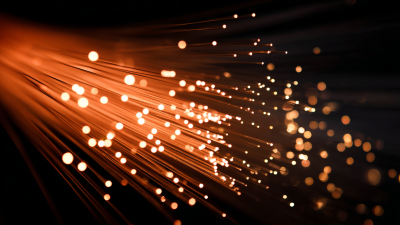
In today's fast-paced digital world, the demand for high-speed and reliable internet connections has never been greater. As users increasingly rely on streaming, online gaming, and cloud-based applications, the choice of internet infrastructure becomes crucial. One of the leading solutions that has emerged is the fiber network cable. This advanced technology harnesses the power of light to transmit data at incredible speeds, making it an optimal choice for both residential and commercial environments.
Fiber network cable offers a multitude of advantages over traditional copper wiring, significantly elevating the performance and efficiency of internet services. From unparalleled speed and bandwidth to enhanced reliability and security, the benefits of adopting fiber technology are profound. As we delve into the top ten benefits of using fiber network cable for your internet connections, it becomes evident that this investment not only meets the needs of today’s high-data demands but also sets the stage for future advancements in internet technology. By understanding the unique advantages fiber network cables bring, users can make informed decisions better suited to their connectivity needs.

Advantages of Fiber Network Cables Over Traditional Copper Cables
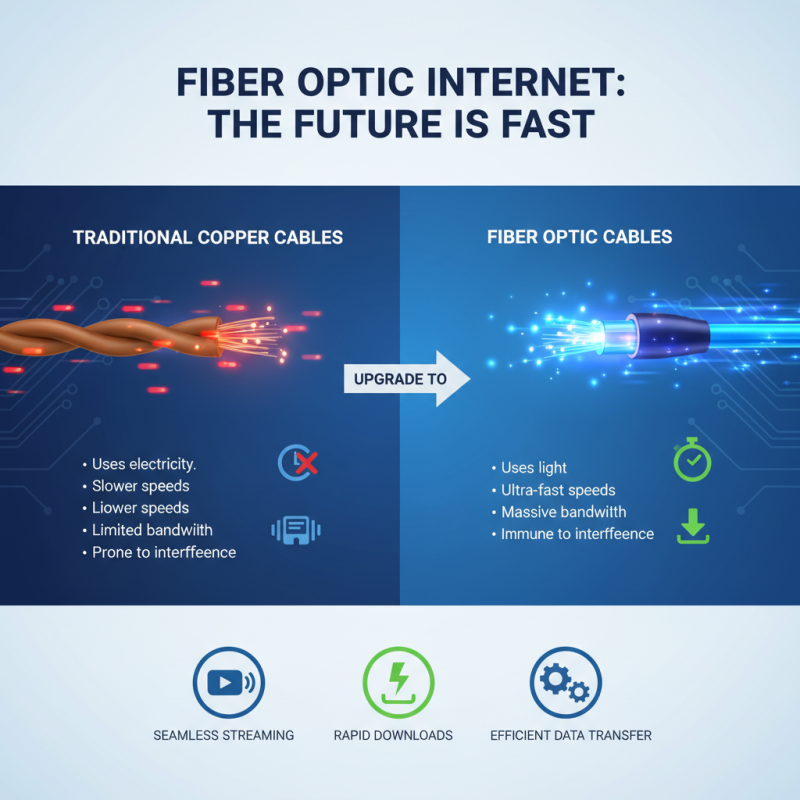
Fiber network cables offer several significant advantages over traditional copper cables that have made them the preferred choice for modern internet connections. One of the most striking benefits is the increased bandwidth capacity that fiber optics can provide. According to a report by the Fiber Broadband Association, fiber can support speeds up to 1 Gbps and beyond, while copper typically maxes out around 100 Mbps. This vast difference in bandwidth allows for faster and more reliable internet connections, accommodating the growing demand for high-speed internet in homes and businesses.
Additionally, fiber cables exhibit superior resistance to electromagnetic interference, which is a common issue with copper cables. A study published in the Journal of Optical Fiber Technology highlights that fiber-optic systems maintain signal integrity over long distances, reducing attenuation and enhancing data transmission efficiency. This makes fiber networks ideal for environments with a high concentration of electronic devices, where interference can significantly degrade performance. Furthermore, fiber cables are less susceptible to weather-related degradation, ensuring consistent connectivity regardless of external conditions, thus demonstrating their reliability and durability compared to traditional copper wiring.
Improved Internet Speeds and Bandwidth Capacity with Fiber Connections
Fiber network cables have transformed the way we connect to the internet, bringing unparalleled improvements in speed and bandwidth capacity. Unlike traditional copper cables, fiber optics use light to transmit data, allowing for incredibly high data transfer rates. This capability means users can enjoy seamless streaming, rapid downloads, and efficient data transfers, making fiber connections an ideal choice for both residential and commercial applications.
The increased bandwidth capacity offered by fiber connections is particularly significant in today's digital landscape, where multiple devices often compete for internet access. With fiber, households and businesses can experience not only faster speeds but also the ability to support a greater number of users simultaneously without a drop in performance. This scalability is essential for environments that rely on heavy internet usage, such as online gaming, video conferencing, and large-scale data operations. As a result, switching to fiber network cables is a smart investment for anyone looking to enhance their online experience.
Enhanced Signal Quality and Reduced Interference in Fiber Networks
Fiber network cables stand out for their ability to enhance signal quality significantly compared to traditional copper cables. The core of a fiber cable consists of glass or plastic fibers that transmit data as pulses of light, allowing for a much higher bandwidth and speed. This optical transmission minimizes attenuation, meaning that the signal can travel longer distances without degrading. As a result, users experience a faster and more reliable internet connection, critical for activities such as online gaming, streaming, and video conferencing.
In addition to improved signal quality, fiber networks are also less susceptible to interference. Unlike copper cables, which can be affected by electromagnetic interference from nearby electrical devices or radio signals, fiber optics operate independently of such electromagnetic influences. This characteristic ensures that the data remains clear and consistent, even in environments with high levels of interference. Therefore, businesses and homes relying on uninterrupted internet access can benefit greatly from the stability offered by fiber network cables, leading to a more efficient overall experience.
Longer Transmission Distances without Signal Loss for Fiber Optics
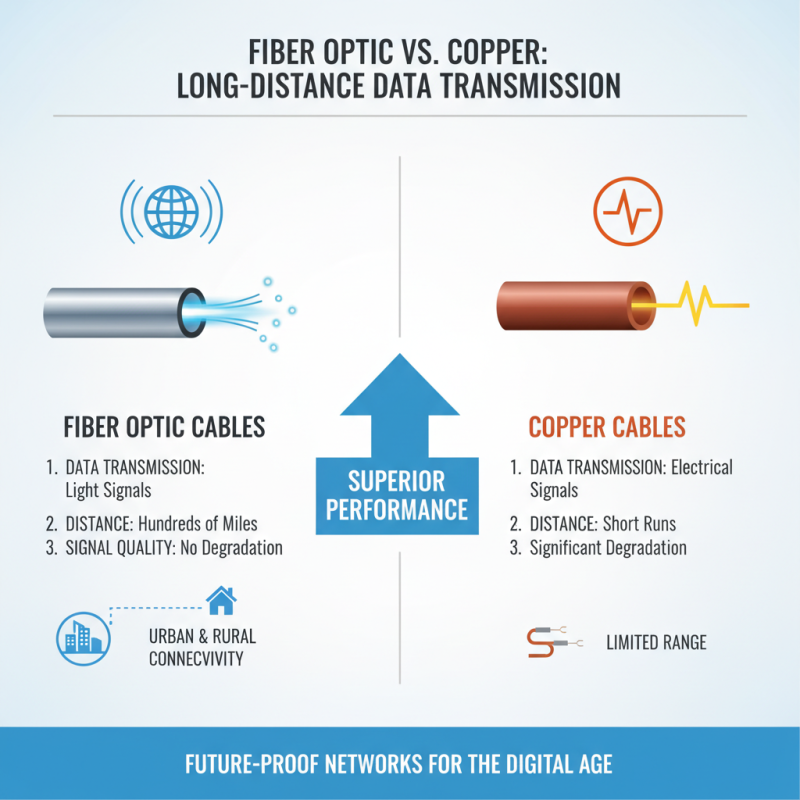
Fiber optic cables offer a significant advantage when it comes to transmitting data over long distances. Unlike traditional copper cables, which experience signal degradation over relatively short runs, fiber optics use light to transmit information. This means that data can travel hundreds of miles without losing quality, making fiber networks ideal for both urban and rural settings where distance can be a factor in connectivity issues.
Moreover, the higher bandwidth capacity of fiber optics enhances performance even over long distances. As data demands increase, fiber networks maintain their integrity, allowing for faster internet speeds and improved reliability. This capability not only supports everyday internet use but also benefits applications that require stable connections, such as video conferencing or online gaming. The ability to extend network reach without compromising signal strength makes fiber networks an essential choice for anyone looking to future-proof their internet connectivity.
Future-Proofing Your Network Infrastructure with Fiber Technology
As technology continues to evolve, the need for robust and efficient network infrastructure becomes paramount. Fiber network cables are at the forefront of this evolution, offering a level of future-proofing that traditional copper cables simply cannot match. With increasing demands for higher data speeds and bandwidth, fiber optics provide a viable solution by supporting faster internet connections and facilitating seamless communication. This adaptability ensures that organizations can scale their network capabilities without the need for complete overhauls, making fiber technology a wise investment for long-term growth.
Moreover, fiber network cables are designed to handle the burgeoning Internet of Things (IoT) landscape, where an exponential rise in connected devices is expected. This means that as more gadgets rely on stable, high-speed internet, networks equipped with fiber optics will be better positioned to accommodate this demand. Additionally, the durability and resistance to electromagnetic interference inherent in fiber technology ensure a more stable connection, which is crucial for maintaining performance levels as data traffic grows. Embracing fiber networks not only safeguards current operations but also aligns with the anticipated future trends in connectivity and data management, making it an essential component of any forward-thinking infrastructure strategy.