The Best Ethernet Connectors for Reliable Networking Performance
In today's digital age, reliable networking is essential. Ethernet connectors play a crucial role in achieving optimal performance. These connectors are the lifeline of any network, enabling devices to communicate efficiently.
Choosing the right ethernet connectors can make a significant difference. It’s not just about speed; it’s about stability and durability too. A poorly chosen connector can lead to dropped connections and frustration.
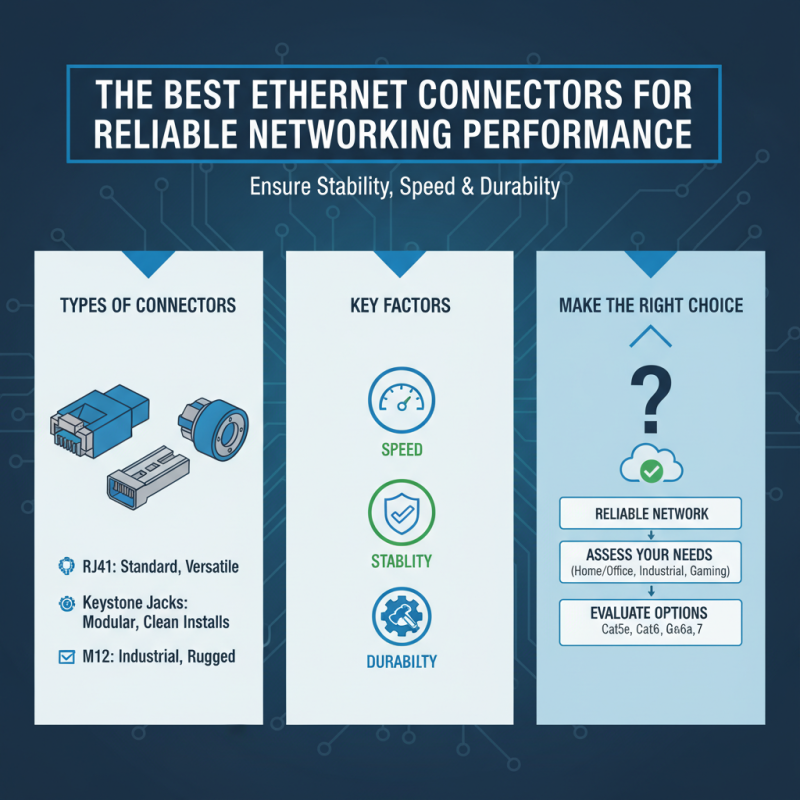
Understanding different types of ethernet connectors is important. Each has its unique advantages and potential drawbacks. Evaluating your networking needs critically can guide you in selecting the best option for your setup. This reflection will ensure you invest wisely in your network's backbone.
Understanding Ethernet Connectors: Types and Specifications
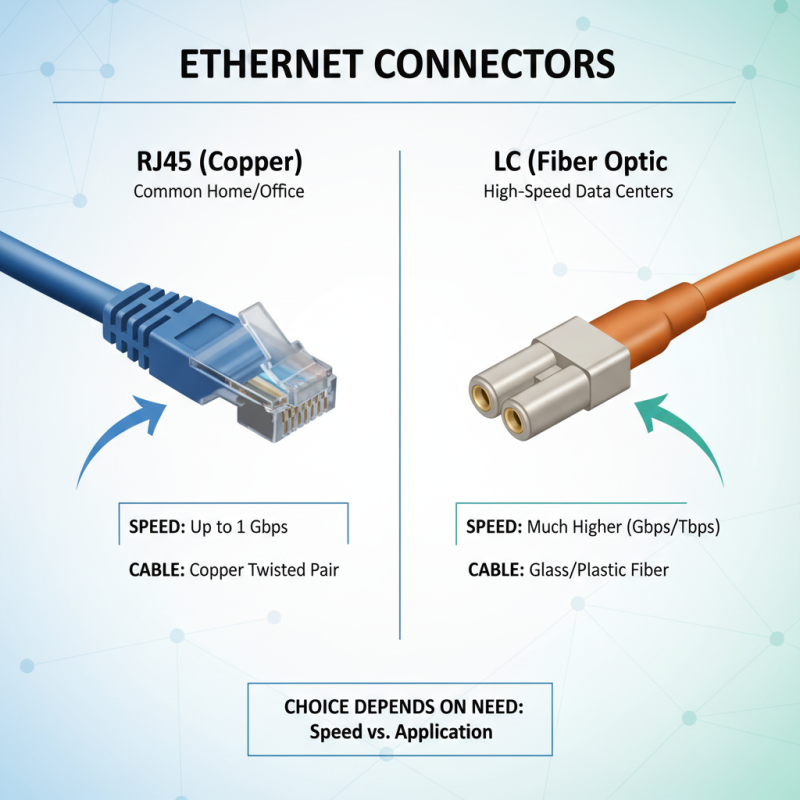
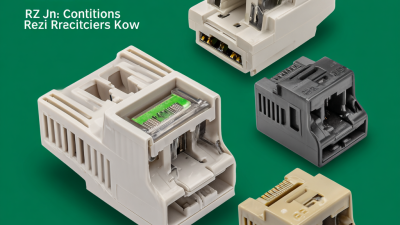
Ethernet connectors play a crucial role in networking performance. Understanding the types available helps in making informed choices. Common types include RJ45, which is widely used in homes and offices. These connectors support speeds up to 1 Gbps. Another type is the LC connector, often used in fiber optics. It can handle much higher speeds, but its application differs significantly.
Specifications also matter. Look for connectors with gold plating. This can improve conductivity and reduce signal loss. The category rating, such as Cat6 or Cat7, indicates maximum performance. Cat6 is standard for home networks. Cat7 is better for professional setups, as it can manage higher frequencies. Remember, compatibility is key. Using mismatched connectors may lead to connection issues.
Installation is sometimes tricky. Misaligned pins can cause failures. It’s essential to double-check connections. Tools may be necessary for crimping and securing connectors. Testing the network afterward is a good practice. A small oversight can disrupt your entire network. Thus, paying attention to these details can help avoid frustrating experiences.
Key Features to Look for in Reliable Ethernet Connectors
When choosing Ethernet connectors, consider several key features for optimal performance. The most important factor is compatibility with various types of cables. Standard connectors should fit well with both shielded and unshielded cables. Look for connectors that support different transmission speeds as well. They should handle at least gigabit speeds, if not higher.
Durability is another critical feature. Connectors must withstand repeated connections and disconnections. Check if they have gold-plated contacts. These typically resist corrosion better than other types. Also, thin, flexible designs can help with installation in tight spaces. Yet, they might feel flimsy in hand, which raises some questions about longevity.
Don't forget about installation ease. Some connectors come with tools that simplify the crimping process. Others may require additional equipment, which can add frustration. Make sure to read reviews to understand the user experience better. Performance usually matters, but usability goes a long way. Remember, a high-quality connector can make a difference in your network reliability and speed.
Comparative Analysis of Popular Ethernet Connector Brands
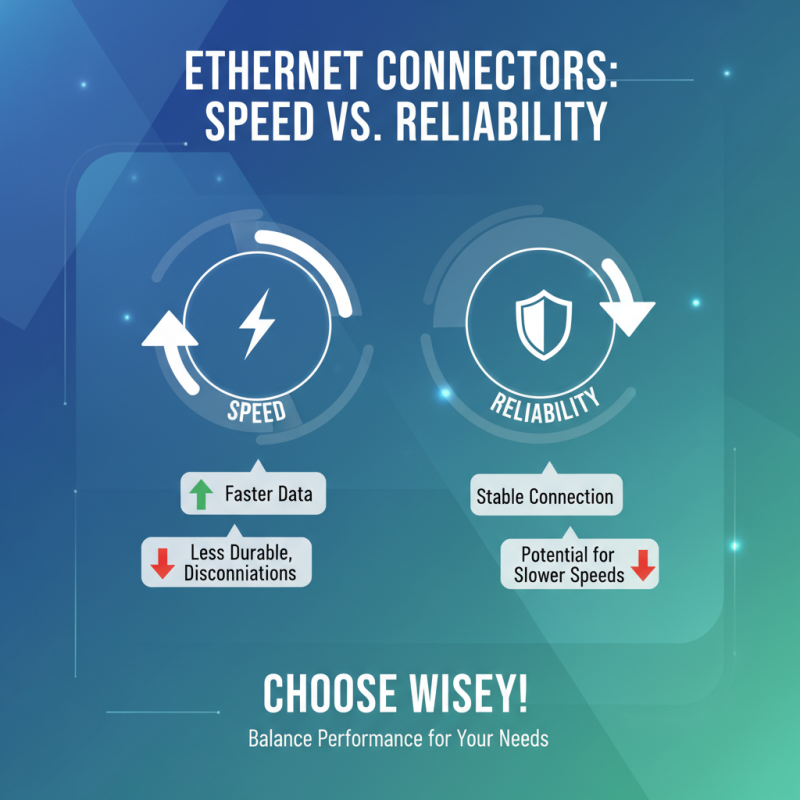
In the world of Ethernet connectors, choosing the right brand can make a big difference. Performance varies significantly across different connectors. For instance, some connectors boast faster data transmission rates but may lack durability. Users often find themselves frustrated with frequent disconnections or slow speeds. It’s essential to balance speed and reliability.
When considering popular brands, many factors come into play. Price, build quality, and ease of installation can influence decision-making. Some connectors are easy to snap on, while others may require tools for a secure fit. A poorly made connector can compromise a whole network, creating unnecessary hassle. Each brand has its strengths and weaknesses, especially under stress or heavy use.
Testing connectors in different environments reveals insights many overlook. For example, how do they perform in tight spaces or areas with high interference? Users learn through trial and error. It’s a reminder that even trusted options may not always deliver as expected. Finding the best fit often requires patience and experimentation.
Installation Tips for Optimal Ethernet Connector Performance
When installing Ethernet connectors, attention to detail is critical. Begin with the right tools and materials. Always use high-quality cables and connectors. Ensure the wire is cut cleanly to avoid frays. Important! Don't skip stripping the wire correctly. Expose just enough of the copper without damaging it.
Next, make sure to follow the color coding strictly. Misplacing a wire can lead to connectivity issues and frustration. It's usually a straight or crossover connection, depending on your needs. Be patient during this step. If mistakes happen, don’t hesitate to redo your work. Rushed installations lead to complications later on.
Testing the connection after installation is essential. Use a network tester to verify each connection works as intended. If discrepancies arise, revisit your steps. It’s better to identify problems early on. Unreliable connections can disrupt your network performance. Don't overlook the importance of a good installation process. Fixing issues later can consume more time.
The Best Ethernet Connectors for Reliable Networking Performance - Installation Tips for Optimal Ethernet Connector Performance
| Connector Type |
Maximum Data Rate |
Cable Compatibility |
Average Price |
Installation Tips |
| RJ45 |
1 Gbps to 10 Gbps |
Cat5e, Cat6, Cat6a |
$0.10 - $2.00 |
Ensure proper crimping; avoid excessive bending. |
| RJ11 |
Up to 1 Mbps |
Telephone Wires |
$0.05 - $1.50 |
Use for phone lines; do not exceed length limits. |
| LC |
Up to 100 Gbps |
Fiber Optic Cables |
$5.00 - $25.00 |
Clean connectors to avoid loss; check for proper insertion. |
| SC |
Up to 100 Gbps |
Fiber Optic Cables |
$4.00 - $20.00 |
Ensure good alignment; manage bend radius carefully. |
| M12 |
Up to 1 Gbps |
Industrial Ethernet Cables |
$3.00 - $10.00 |
Tighten connectors securely; check IP ratings for environment. |
Troubleshooting Common Issues with Ethernet Connectors
Ethernet connectors play a crucial role in ensuring efficient networking performance. However, users often encounter common issues that can disrupt their connectivity. A recent report by the Ethernet Alliance highlights that up to 30% of network downtimes result from faulty connectors. Poor seating of connectors or dirt buildup can lead to intermittent signals. Dealing with such issues can be frustrating but is often fixable.
Regular maintenance is key. Cleaning connectors regularly can improve performance. Moreover, ensuring that the cables are properly seated can prevent connectivity loss. A study from IEEE suggests that even a slight misalignment can result in a 20% reduction in network speed. Conducting routine checks can help identify problems before they escalate.
Sometimes, replacing the connectors can be the best solution. Many users hesitate, thinking repairs may suffice. However, outdated or damaged connectors can hinder performance dramatically. A survey from the Networking Industry Association found that nearly 40% of users reported experiencing issues caused by outdated hardware. Upgrading to better quality connectors is a worthwhile investment for achieving reliable networking performance.