Best Fiber Optic Termination Techniques for Global Buyers?
In the rapidly evolving world of telecommunications, proper fiber optic termination is crucial. This process ensures optimal performance and reliability in networks. Various techniques exist, each with its advantages and challenges. Understanding these methods can empower global buyers to make informed decisions.
Fiber optic termination involves connecting fiber strands to connectors or splice points. Techniques vary widely, from fusion splicing to mechanical splicing. Each method requires precision and skill. Mistakes in termination can lead to signal loss or system failures, emphasizing the need for expertise.
Buyers must consider the environmental factors that affect termination. Different climates or installation conditions may necessitate specific techniques. While many options are available, the challenge lies in selecting the right one for a given application. Thus, awareness of these techniques greatly influences the effectiveness of fiber optic networks. Ultimately, the right fiber optic termination strategy can enhance connectivity and operational efficiency.
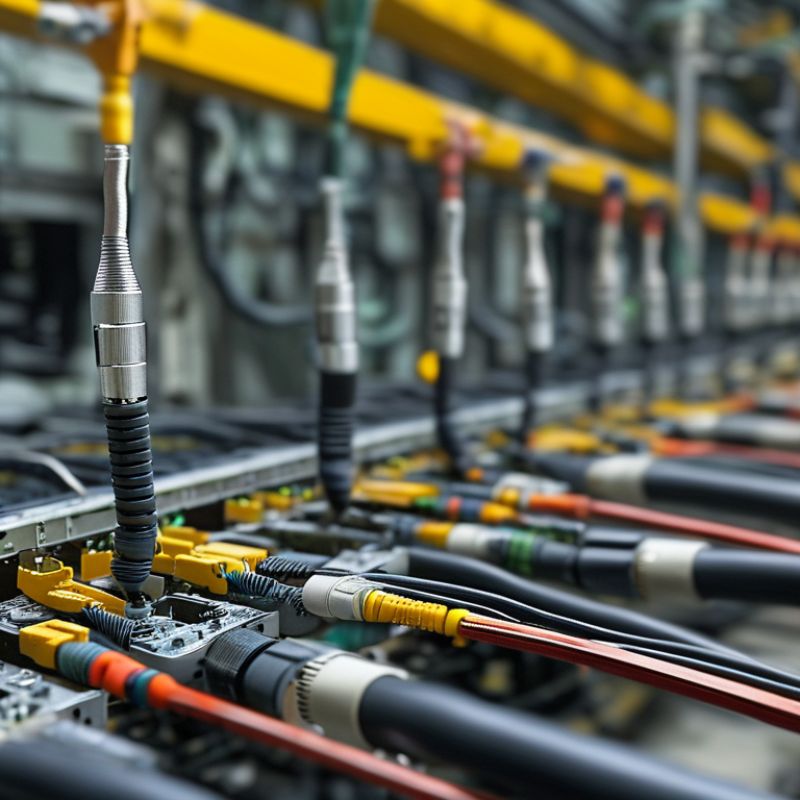
Overview of Fiber Optic Termination Techniques for Global Buyers
Fiber optic termination is a critical process for ensuring high-quality signal transmission in communication networks. Various techniques exist to achieve successful termination, including fusion splicing, mechanical splicing, and connectorization. Each method has its own set of advantages and drawbacks. Fusion splicing is often regarded as the gold standard, providing the lowest loss and highest performance. However, it requires specialized equipment and training, which may not be feasible for all users.
Mechanical splicing offers a simpler alternative, allowing users to join fiber ends quickly without the need for expensive tools. This technique can be effective, but it may introduce higher loss compared to fusion splicing. Connectorization is another option, where connectors are attached to the fiber ends. This provides flexibility for easy connection and disconnection. Yet, the quality of the connectors used can significantly impact performance.
Ultimately, the choice of termination technique depends on specific project requirements. Factors such as budget, skill level, and desired performance should be carefully considered. While one method may seem superior, mistakes can occur, highlighting the importance of training and adherence to best practices. Buyers should evaluate their options thoroughly, ensuring they choose a technique that aligns with their needs while acknowledging the potential for improvement in their approach.
Understanding the Importance of Proper Fiber Optic Termination
Proper fiber optic termination plays a vital role in ensuring the efficiency and reliability of optical networks. Effective termination minimizes signal loss and maximizes performance. If installation is not done correctly, it can lead to increased attenuation and potential system failures. This underscores the need for skilled technicians who understand the nuances of fiber optic cables and connectors.
Each termination technique requires careful attention to detail. For example, the fusion splicing method offers a permanent and low-loss connection. However, it demands precise execution and a thorough understanding of different fiber types. Mechanical splicing, while easier, may not provide the same consistency without the right tools. Technicians must weigh these factors when choosing a method suited for their specific application.
Choosing the correct termination technique has implications beyond the immediate project. Poorly terminated fibers can result in costly delays and repairs. Therefore, investing time in training and best practices is essential. Reflection on past projects can offer insights into improving methods. Learning from mistakes will enhance skills and lead to more robust network solutions in the future.
Best Fiber Optic Termination Techniques for Global Buyers
| Technique |
Advantages |
Disadvantages |
Best Use Case |
| Fusion Splicing |
Low signal loss, strong joint |
Requires specialized equipment |
Long-distance telecommunications |
| Mechanical Splicing |
Easier and quicker than fusion |
Higher signal loss compared to fusion |
Short-term repairs or connections |
| Connectorization |
Flexibility and ease of troubleshooting |
Can be prone to dirt and damage |
Data centers and office installations |
| Pre-terminated Solutions |
Quick installation and less labor |
Limited customization on-site |
Large scale deployments |
Step-by-Step Guide to Popular Termination Methods
Fiber optic termination is crucial for maintaining signal quality. Each method has unique steps and challenges. Familiarizing yourself with these can make a significant difference in installation success.
One common method is fusion splicing. This involves aligning two fiber ends and using heat to fuse them. It requires precision and specialized equipment. Perfect alignment is essential. Any small error can result in signal loss. Practicing this technique can enhance your skills. It's advisable to start with test fibers to refine the process.
Another popular option is the use of connectors. This method allows for easier termination and re-termination. Common connectors include SC, LC, and ST types. The key is ensuring clean fiber ends. Dust or damage can lead to poor connections. It may also necessitate frequent cleaning and inspection. Understanding the characteristics of each connector type helps in making the right choice. Keeping up with evolving techniques encourages continuous improvement in fiber optic work.
Key Tools and Materials Needed for Fiber Optic Termination
When dealing with fiber optic termination, having the right tools and materials is essential. A good quality fiber cleaver is crucial for precise cuts, allowing fibers to align perfectly. Fiber strippers help remove the outer jacket without damaging the delicate fibers. A fusion splicer can be invaluable, but simpler methods like mechanical splicing can suffice for smaller projects.
Always use protective eyewear when working with fiber optics. The thin fibers can pose a hazard if broken. It’s important to inspect all tools regularly for wear and functionality. Additionally, cleansers and wipes for fiber endings help ensure optimal signal transmission.
Proper training on these tools can significantly enhance outcomes. However, even experienced technicians can face challenges. Different environments can affect termination quality. So, it’s critical to conduct regular tests to ensure performance. Using test equipment to measure light loss can prevent larger issues down the line.
Best Practices for Quality Assurance in Fiber Optic Termination
Fiber optic termination requires precision and attention to detail. Ensuring quality in this process is crucial for optimal performance. One key practice involves using the right tools. High-quality cleavers and connectors play an essential role. A poor cleaving job can cause significant signal loss. Therefore, investing in tools that allow for clean and consistent cuts is vital.
Another aspect to consider is environmental conditions. Termination should ideally occur in controlled environments. Dust and humidity can affect the connections severely. Technicians should adhere to strict cleanliness protocols. Using lint-free wipes and dedicated workstations can mitigate contamination risks. Training staff on these best practices contributes to overall reliability.
Documentation is equally important. Keeping records of each termination process helps track quality over time. Regular audits can identify patterns and areas needing improvement. While the focus on best practices is beneficial, it is crucial to remain adaptable. Learning from occasional mistakes leads to enhanced processes and better outcomes in the long run.
Best Fiber Optic Termination Techniques
This chart illustrates the effectiveness of various fiber optic termination techniques based on industry data. The techniques are evaluated on a scale of 0 to 100, indicating their quality and reliability.