10 Best Structured Cable Options for Your Networking Needs?
In today's digital world, the demand for reliable networking solutions is higher than ever. One crucial element that ensures effective communication and data transfer is structured cable. These cables are designed for high performance and adaptability, making them suitable for various networking environments. Choosing the right structured cable can feel overwhelming. With so many options available, making an informed decision is essential.
Structured cables come in different types, each with unique specifications and advantages. Users often overlook the impact of cable quality on network performance. Investing in top-tier structured cables can mitigate issues like data loss and slow connections. Companies and individuals alike must prioritize quality when building or upgrading their networks.
As you delve into the various choices, remember that not all structured cables are created equal. It's vital to consider factors like bandwidth, shielding, and compatibility. Wading through technical jargon may pose a challenge. However, understanding these differences can significantly enhance your networking experience. The following guide aims to simplify your search by highlighting the ten best structured cable options tailored to meet diverse networking needs.
Overview of Structured Cable Types for Networking
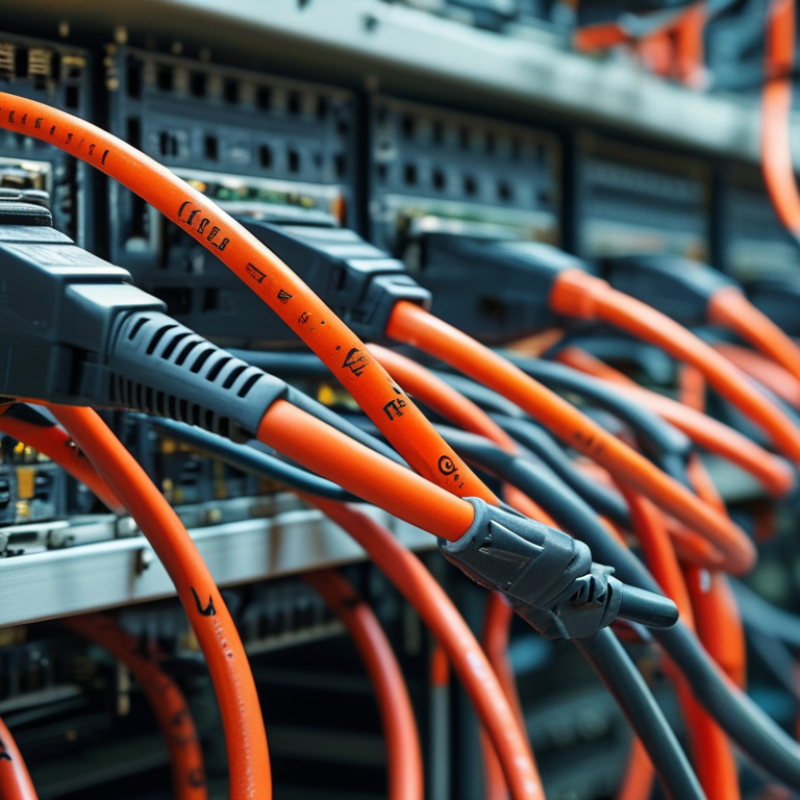
When setting up a network, understanding structured cable types is essential. These cables serve as the backbone of reliable communication systems. Common types include twisted pair, coaxial, and fiber optic cables. Twisted pair cables are widely used for basic networking. They consist of pairs of wires twisted together, which helps reduce electromagnetic interference. Despite their popularity, they can face limitations in distance and speed.
Coaxial cables, on the other hand, feature a central conductor surrounded by insulation and shielding. They are resilient and provide a stable connection, often employed in broadband applications. However, they may not be as flexible as twisted pair cables in certain scenarios. Fiber optic cables represent the cutting edge of networking. These use light to transmit data, enabling high speeds over long distances. Yet, they can be more expensive and delicate, requiring careful installation and handling.
Each type has its strengths and weaknesses, making them suitable for different networking needs. It's critical to evaluate your specific requirements before making a choice. Poor selection may lead to performance issues or increased costs in the long run. Understanding these structured cable options empowers users to make informed decisions for efficient networking solutions.
10 Best Structured Cable Options for Your Networking Needs
| Cable Type |
Category |
Max Data Rate |
Length |
Shielding |
Application |
| Cat 5e |
Category 5e |
1 Gbps |
100 meters |
U/FTP |
Home Networking |
| Cat 6 |
Category 6 |
10 Gbps |
55 meters |
F/UTP |
Office Networks |
| Cat 6a |
Category 6a |
10 Gbps |
100 meters |
S/FTP |
Data Centers |
| Cat 7 |
Category 7 |
10 Gbps |
100 meters |
S/FTP |
High-Speed Networks |
| Cat 8 |
Category 8 |
25-40 Gbps |
30 meters |
S/FTP |
Data Center Connections |
| Fiber Optic |
Single-mode / Multi-mode |
Up to 100 Gbps |
Varies |
None |
Long Distance Networking |
| Crossover Cable |
N/A |
Varies |
N/A |
N/A |
Device-to-Device Connection |
| Patch Cable |
Varies |
Varies |
Varies |
N/A |
Network Setup |
| Direct Attach Cable |
N/A |
Up to 400 Gbps |
Varies |
N/A |
Short Connections in Racks |
Key Features to Consider When Choosing Structured Cables
When choosing structured cables for networking, several key features demand attention. Cable category is critical. For instance, CAT 6 cables support speeds up to 1 Gbps over 250 feet, making them suitable for offices needing high-speed connections. However, using an older CAT 5e can result in slower performance and bandwidth limitations. Current reports indicate that 80% of network issues stem from outdated cables.
Length is another vital aspect. Longer cables can lead to signal degradation. Keeping your cable runs under 300 feet is optimal to maintain quality. Consider the installation environment too. Cables need protection from electrical interference. This means choosing cables with good shielding and appropriate ratings for your specific setting.
Tips: Always test your cables before deployment. Regular assessments can prevent costly downtime. Remember, not all cables are created equal. Be aware of the potential for higher latency if using lower-quality options. Investing in better cables can have significant benefits. In fact, networks that utilize proper cabling standards report up to 30% better data transmission efficiency.
Top 10 Structured Cable Options for Reliable Networking
When setting up a reliable network, choosing the right structured cable is crucial. The right cable enhances speed and reduces interference. Several options excel in various environments. Look for cables with tested shielding for outdoor durability. Quality connectors also play a role in performance.
Consider factors like installation ease and future-proofing. Some cables come with features like color-coded pairs. These can simplify the routing process. However, check for flexibility. Rigid cables can be hard to manage, leading to unnecessary frustration. Sometimes, cost-efficient options may lack necessary certifications, so it's vital to ask questions.
Not everything is perfect. Early buyers often regret not upgrading to higher bandwidth cables. Reflections after installation reveal overlooked details. Cables that work today might not meet future demands. Prioritizing quality and reliability now can save headaches later. Making informed choices is essential for building a robust network infrastructure.
Comparative Analysis of Performance and Cost
When evaluating structured cable options, performance and cost are crucial factors. High-quality cables generally offer better data transmission speeds. For instance, Cat6 cables can support up to 10 Gbps. In contrast, older standards like Cat5e offer lower performance. The choice here affects overall network efficiency.
Cost is another essential element. Cheaper options tend to skimp on materials and insulation, potentially harming performance. Investing in quality may seem expensive upfront. However, this can lead to savings in the long run. Lower-grade cables often need frequent replacements due to wear and tear. Therefore, understanding your network's demands can guide your decision.
In some scenarios, budget constraints force compromises. It’s tempting to choose the least expensive option. Yet, such choices could lead to frustrating connectivity issues. Balancing cost with performance is vital. Consider future needs and scalability when selecting structured cables. This evaluation can save headaches later on.
Installation Tips for Structured Cable Solutions
When installing structured cable solutions, proper planning is essential. A report from the Telecommunications Industry Association indicates that poor installation practices can lead to a 30% increase in system failure rates. Ensure you understand the layout of your space. Avoid unnecessary bends, as they can negatively affect cable performance.
For optimal performance, maintain adequate distances between power and data cables. The National Electrical Contractors Association recommends at least 12 inches of separation. This reduces electrical interference. Additionally, label all cables meticulously. Mislabeling can cause confusion and increase troubleshooting time.
Do not overlook the importance of using quality connectors. Inadequate connectors are a common failure point. They can lead to intermittent connections. According to a study by BICSI, 50% of network issues arise from poor connector installation. Take time to inspect each connection before sealing your infrastructure. These considerations can significantly improve your network's reliability.
10 Best Structured Cable Options for Your Networking Needs