How to Choose an Isolation Switch for Your Electrical System?
Choosing the right Isolation Switch for your electrical system is crucial. It ensures safety and efficiency. An Isolation Switch is designed to disconnect a circuit. This allows for maintenance or emergencies without risking contact with live wires.
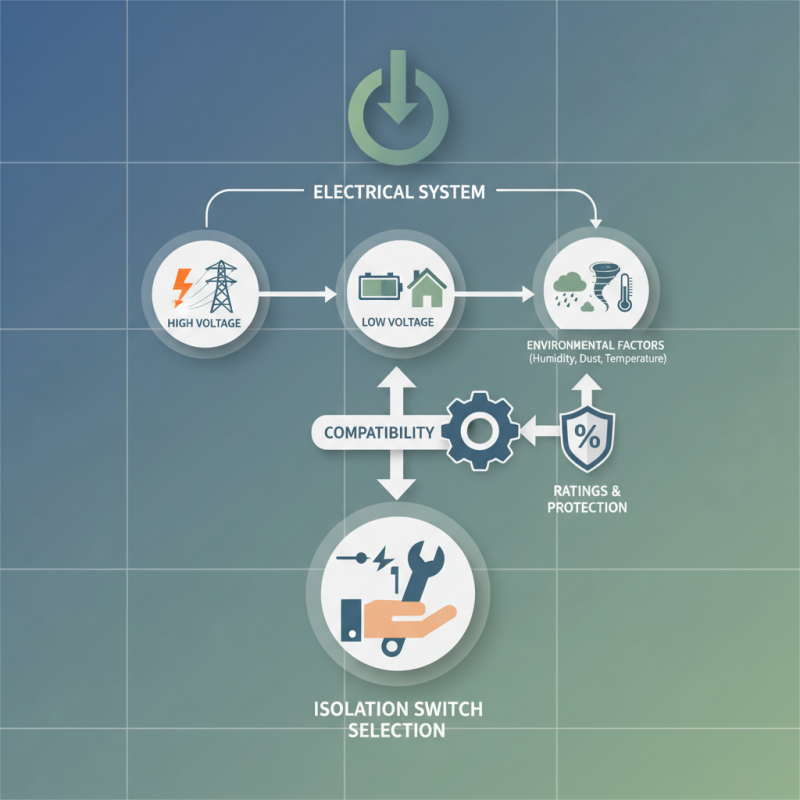
Consider different types of Isolation Switches available. Each has unique features and specifications. For instance, some are designed for high voltage systems while others fit low voltage applications. It is important to evaluate your specific needs. Think about the environment too. Factors like humidity, dust, and temperature can affect performance.
A common mistake is overlooking compatibility with existing systems. Make sure the Isolation Switch matches your equipment. Pay attention to its ratings. Remember, a poorly chosen switch might not provide adequate protection. In your quest for the perfect Isolation Switch, careful consideration and research are key.
Understanding the Role of Isolation Switches in Electrical Systems
Isolation switches play a critical role in electrical systems. They provide a means to disconnect power safely for maintenance and repairs. When properly used, they enhance safety for both technicians and equipment. Each switch must be correctly rated for the system's voltage and current. This ensures robust performance during emergencies.
Choosing the right isolation switch involves understanding specific needs. Different environments demand different switches. For example, outdoor switches must resist weather elements. Meanwhile, indoor switches require consideration of space and potential hazards. Many overlook the importance of ease of access. If a switch is hard to reach, it may not be used as intended.
Additionally, the switch's installation is significant. Misalignment or improper wiring can cause issues. Regular checks are necessary to ensure reliability. Inspecting the switch allows for identifying wear or damage early. Skipping this step can lead to severe faults. Balancing all these factors can be challenging. But it is crucial for the well-being of the entire electrical system.
Key Specifications to Consider When Selecting an Isolation Switch
When choosing an isolation switch, several key specifications are crucial. Start with the switch's rated voltage. Ensure it matches your electrical system's requirements for safety. A mismatch can lead to severe failures.
Consider the current rating next. It determines how much load the switch can handle without overheating. Working environment is another factor to address. If the switch will be in a harsh location, look for models with better weather resistance. Dust and moisture can affect performance.
Check the installation type as well. Some switches are designed for panel mounting, while others suit outdoor applications. Each has its advantages and limitations.
Reflect on the switch's operating mechanism. Some switches have a simple toggle, while others may require special tools. Think about ease of access and maintenance. Regular checks can prevent future issues. Don't overlook safety features. An isolation switch should provide clear visibility when open or closed. It helps ensure safe maintenance practices. Choosing the right switch requires careful thought, but the right choice enhances system reliability.
Types of Isolation Switches and Their Applications in Industry
Isolation switches play a crucial role in various industrial applications. They are essential for safely disconnecting electrical circuits. This ensures maintenance personnel can work without exposure to live electricity. Among the types of isolation switches, there are rotary switches, lever-operated switches, and knife switches. Each serves unique purposes depending on the industry demands.
Rotary isolation switches are often used in motor applications. They can handle high voltage and current levels. Their design allows easy operation and reliable isolation. However, in dusty environments, they may not perform optimally. Regular maintenance can mitigate this issue.
Lever-operated switches, on the other hand, are often found in transformer applications. They provide a straightforward way to disconnect power. Yet, they can be cumbersome in tight spaces.
Knife switches, often employed in older installations, are visible and easy to operate but might not meet modern safety standards.
Choosing the right isolation switch requires understanding your system's needs. Each type has its benefits and drawbacks. For example, while rotary switches are reliable, their cost can be higher. Conversely, knife switches may save costs but pose safety risks. Reflecting on these factors can lead to better decisions in electrical system design.
Safety Standards and Compliance for Isolation Switches in Electrical Systems
When selecting an isolation switch for your electrical system, safety standards are paramount. According to the International Electrotechnical Commission (IEC), isolation switches must meet specific criteria to ensure reliability. These standards help prevent accidents, electrical failures, and potential harm to personnel. In 2021, industry reports indicated that 30% of electrical accidents were linked to improper isolation methods. This statistic underscores the need for compliance with safety standards.
Isolation switches should comply with the IEC 60947 standard. This standard pertains to low-voltage switchgear and control gear, which ensures that devices can safely isolate electrical circuits. Not meeting this standard can lead to failures. Inadequate isolation can result in equipment damage or even catastrophic failures. Even experienced professionals sometimes overlook these details.
Temperature ratings and environmental conditions greatly influence performance. A switch might fail under extreme heat or cold. It’s crucial to match the switch’s rating with the actual environment. Failing to consider these factors raises risk levels. The choice of materials also matters; some might corrode quicker than others. Regular maintenance checks are necessary to ensure continued compliance.
Isolation Switch Compliance and Safety Standards
Maintenance Practices to Ensure Longevity of Isolation Switches
Isolation switches play a crucial role in electrical systems. Proper maintenance ensures their longevity. Regular inspection is key. Look for signs of wear and tear. Check mechanical components for smooth operation. Corrosion can be a hidden threat. Dust and dirt accumulate over time, compromising functionality.
Cleaning is essential. Use a damp cloth to wipe the surfaces. For harder-to-reach areas, compressed air can help. Ensure the switch is off before any cleaning. This precaution prevents electrical hazards. Additionally, consider environmental factors. Is moisture present? Humidity can accelerate deterioration. Protect your switches with proper enclosures.
Documentation is often overlooked. Keep a record of maintenance dates and checks. This habit helps in identifying patterns. Anomaly detection becomes easier over time. If a switch fails unexpectedly, review your history. Did you miss a crucial inspection? Regular training for staff can improve awareness. Effective practices evolve, but consistency is vital.