How to Choose the Best Cat 6a Network Cable for Your Needs?
When selecting a Cat 6a network cable, understanding your specific needs is crucial. According to industry expert Linda Thompson, "The right cable can make a significant difference in your network performance." This highlights the importance of choosing wisely.
Cat 6a network cables are designed for high-speed data transmission. They support up to 10 Gbps and are ideal for data centers and office networks. However, not all cables are created equal. Factors such as length, shielding, and build quality play vital roles.
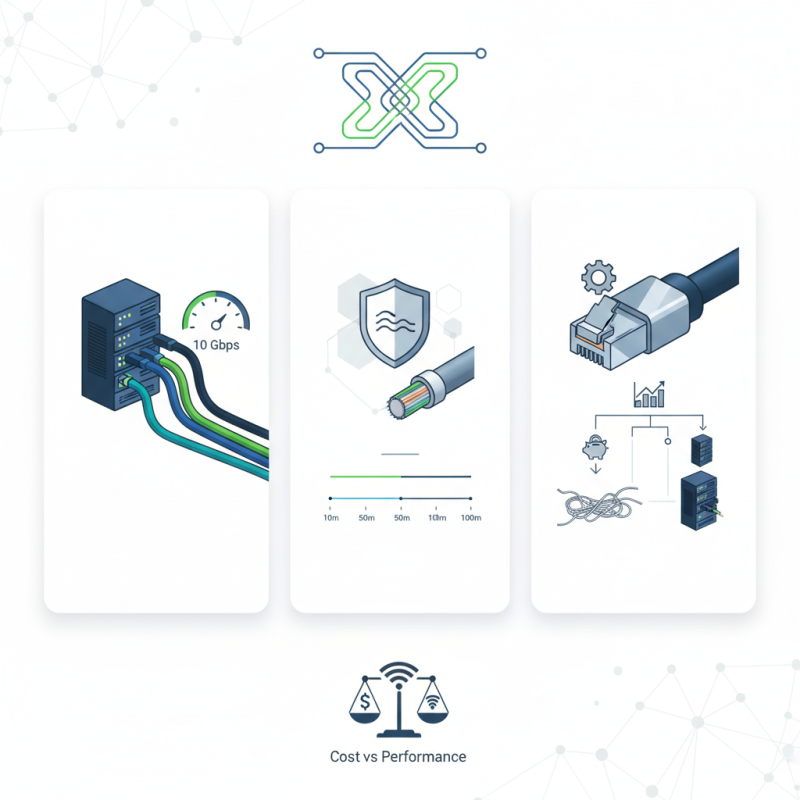
Many consumers overlook these factors. They may choose cheaper options without realizing the long-term implications. Investing in a quality Cat 6a network cable can enhance your connectivity experience. Before making your choice, consider your environment and future requirements. Balancing cost and performance is key.
Understanding Cat 6a Network Cable Specifications and Standards
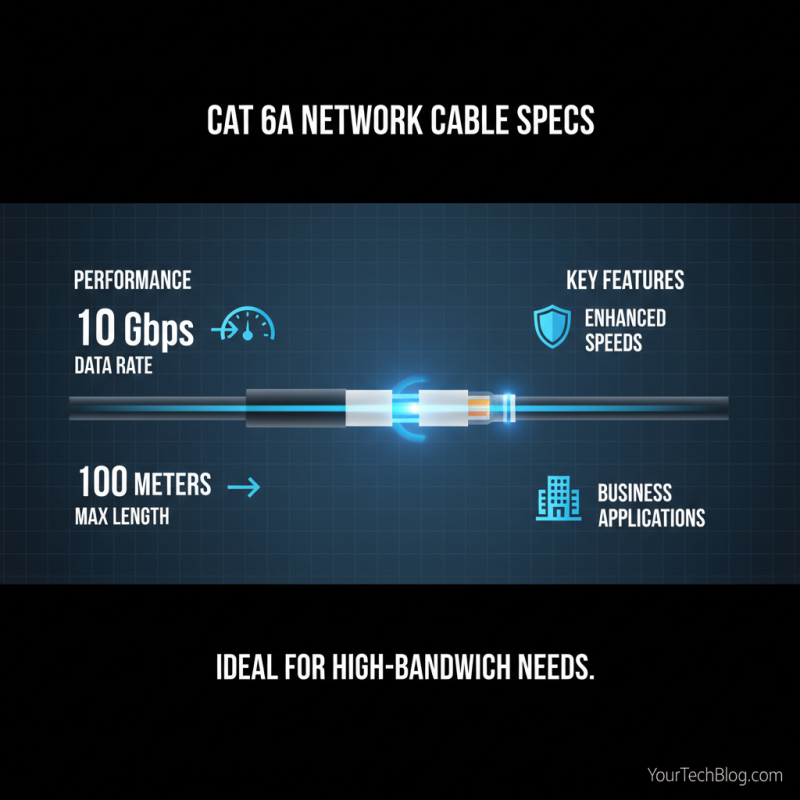
When choosing a Cat 6a network cable, understanding the specifications and standards is crucial. Cat 6a cables offer enhanced performance compared to previous generations. They support data rates of up to 10 Gbps over lengths of 100 meters. This speed is significant for bandwidth-intensive applications, especially in business settings.
The specifications include shielding options, which can impact performance. Shielded twisted pair (STP) cables reduce electromagnetic interference. A report from the Telecommunications Industry Association shows that 80% of network issues stem from poor cabling. Choosing the right cable can avoid problems and improve reliability.
The maximum operating frequency for Cat 6a is 500 MHz, enabling faster and more robust data transmission. However, not all installations require such capabilities. For less demanding tasks, Cat 6 might suffice. It’s essential to assess your specific needs before making a decision. Visualizing potential setups can help identify the most suitable cables.
Evaluating Cable Lengths for Optimal Performance in Your Setup
When choosing a Cat 6a network cable, cable length plays a crucial role in your setup. Longer cables can lead to increased latency and diminished performance. Ideally, you should keep your cable runs under 100 meters. This distance ensures that the signal remains strong and reliable. Reducing excess length may also help eliminate potential interference.
Consider the layout of your space. If you need longer runs, invest in quality cables. The materials used can influence performance. Thin cables may struggle with interference over long distances. On the other hand, thicker cables can standardize your network performance, but they may be less flexible. Ensure the cable won’t kink or bend sharply, as this can lead to performance issues.
Evaluate your specific needs. If you're gaming, every millisecond counts. Share your network with multiple devices? Minimize cable length where possible. It is also wise to reflect on future needs. Will you upgrade your devices? If so, consider slightly longer cables now. This foresight may save you time later. Choosing the right length not only boosts current use but adapts to evolving technology.
Evaluating Cable Lengths for Optimal Performance in Your Cat 6a Network Setup
Assessing Shielding Options: Unshielded vs. Shielded Cat 6a Cables
When selecting a Cat 6a network cable, understanding the differences between unshielded and shielded options is crucial. Unshielded Twisted Pair (UTP) cables are affordable and commonly used for standard networking needs. However, they can suffer from electromagnetic interference (EMI). A 2022 report from the Electrical and Electronics Engineers Journal emphasized that EMI can significantly degrade network performance, particularly in environments with multiple electronic devices.
On the other hand, Shielded Twisted Pair (STP) cables provide additional protection against EMI. They contain a foil shield that can reduce signal degradation. According to the Telecommunications Industry Association, using STP cables can increase data transmission speed by up to 20% in problematic areas. In settings like data centers or industrial facilities, these benefits are hard to overlook.
Tip: Evaluate your environment before making a decision. If you are in a high-interference area, opt for shielded cables. Also, consider your future needs. Planning ahead can save costs related to network upgrades.
Tip: Cost is another factor. Shielded cables can be pricier. However, the investment might pay off in less downtime and fewer performance issues. Always assess your specific needs before choosing.
How to Choose the Best Cat 6a Network Cable for Your Needs? - Assessing Shielding Options: Unshielded vs. Shielded Cat 6a Cables
| Feature |
Unshielded Cat 6a Cable |
Shielded Cat 6a Cable |
| Cost |
Lower |
Higher |
| Shielding Type |
None |
Foil or Braided |
| Interference Protection |
Minimal |
High |
| Installation Ease |
Easy |
Slightly Complex |
| Weight |
Light |
Heavier |
| Weight |
Light |
Heavier |
Identifying Key Features and Add-Ons for Enhanced Connectivity
When selecting a Cat 6a network cable, certain key features are essential for optimal connectivity.
The cable's bandwidth capability is crucial.
Cat 6a supports frequencies up to 500 MHz. This allows for faster data transmission, making it ideal for high-demand environments like offices or gaming setups.
Moreover, research from the Institute of Electrical and Electronics Engineers (IEEE) highlights that using the right cable can
reduce latency and improve overall performance.
Shielding is another vital aspect to consider.
Unshielded Twisted Pair (UTP) cables are common but often struggle with interference.
On the other hand, Shielded Twisted Pair (STP) cables provide extra protection against electromagnetic interference (EMI).
Data from the International Telecommunication Union indicates that proper shielding can enhance signal quality
by over 90% in noisy environments. Not all users need the highest grade cables, but those in densely populated areas should pay attention to this feature.
Length plays a significant role too. Consider your setup when choosing the length of the cable.
Longer cables can lead to signal loss. According to industry standards, a maximum cable run should not exceed
100 meters. Reflect on these factors to enhance your connectivity experience.
Choosing the right accessories, such as high-quality connectors,
can further improve performance. A well-rounded understanding of these elements will guide you in making informed decisions for your networking needs.
Comparing Cable Brands and Prices for Best Value Selection
When selecting a Cat 6a network cable, understanding price vs. brand is crucial. Various brands can dramatically differ in cost. However, higher prices don’t always guarantee a better product. Exploring options is essential. Look for quality indicators like certifications and reviews. Trustworthy cables should meet standards for performance and durability.
Researching various brands can reveal surprising differences. Some cables might appear cheap but lack essential features. Others may come with higher claims but underperform. Test results and user feedback often tell a different story. Checking independent reviews adds credibility and informs your decision-making process.
Choosing based on value involves weighing quality against cost. Some brands get consistently good reviews, while others might fluctuate in reliability. Remember that your specific needs, like environment and usage, matter. The right choice is not only about price but also about matching your requirements with a cable’s capabilities. A little homework can prevent future issues. Insights gained from real-world usage further enhance your understanding.