How to Choose the Right Coax Connectors for Your Needs?
Choosing the right coax connectors can be challenging. Industry expert John Smith emphasizes this point, stating, "The correct connector can make or break your setup." Coax connectors play a vital role in ensuring reliable signal transmission in various applications, from cable television to internet hardware.
There are many types of coax connectors available. Each has its specific use and characteristics. For example, the standard F-type connector is commonly used for cable TV. However, not every connector suits every need. This can be confusing for newcomers and even experienced users.
Many factors need consideration in connector selection. The cable type, frequency, and environment must all be right. Often, people overlook these details. Choosing the wrong coax connector will lead to poor performance. Understanding your requirements and options is crucial to achieving a reliable connection.
Understanding Coax Connectors: Types and Their Applications
Coax connectors come in various types, each designed for specific applications. Understanding these types is essential for making the right choice. For instance, the F connector is commonly used in cable television installations. It is reliable and easy to install. You will often find it in homes connected to satellite dishes and cable modems.
Another popular type is the BNC connector. This connector is known for its twist-lock mechanism. It's frequently used in video applications and professional broadcasting. However, the locking mechanism can sometimes be tricky. Careless handling might lead to a loose connection.
For those Interested in RF applications, an N connector may be ideal. It is robust and can handle higher frequencies. However, it's bulkier and may not fit in tight spaces. Each connector type serves a specific purpose, but not every type is suitable for every situation. Consider where and how you will use the connector before making your decision. Your choice should reflect your needs and the environment of the installation.
Matching Coax Connectors to Your Devices: A Compatibility Guide
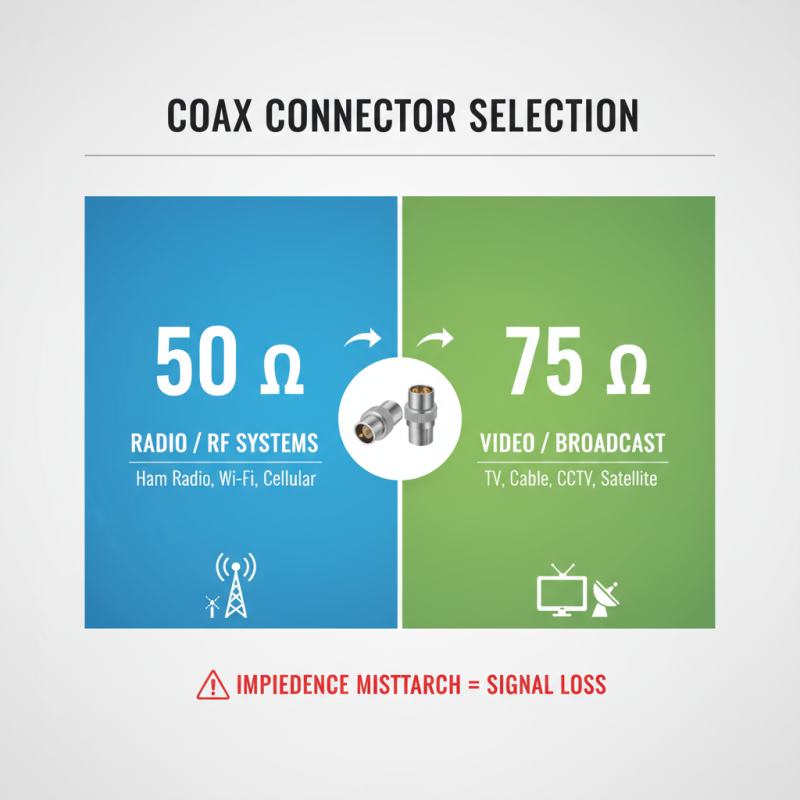
Choosing the right coax connectors is essential for ensuring optimal performance. Compatibility between connectors and devices is crucial. Different devices require specific types of connectors. An industry report indicates that 65% of installation issues stem from mismatched connectors. Using the wrong type can result in signal loss.
When selecting connectors, consider the device's requirements. For instance, a standard F connector is suitable for satellite and cable TV. BNC connectors are often used for video equipment. Different applications need different connectors. A mismatch can create more problems down the line. The spatial arrangement of ports matters too. Many setups can be tight, making the choice critical.
Consider cable type as well. RG6 cables work well with certain connectors. However, RG59 may require different ones. A survey showed that 72% of professionals recommend matching cable types with their respective connectors for better performance. This step can prevent common pitfalls like interference and signal degradation. Take the time to evaluate your needs before purchasing connectors. The right choice will lead to a more efficient setup.
Installation Considerations: Tools and Techniques for Proper Connection
When choosing coax connectors, installation techniques matter. The right tools can ensure a solid connection. Many professionals recommend using a cable stripper for precision. This tool removes the outer jacket without damaging the core. A damaged cable can lead to signal loss. Reports show that improper installation can decrease performance by up to 25%.
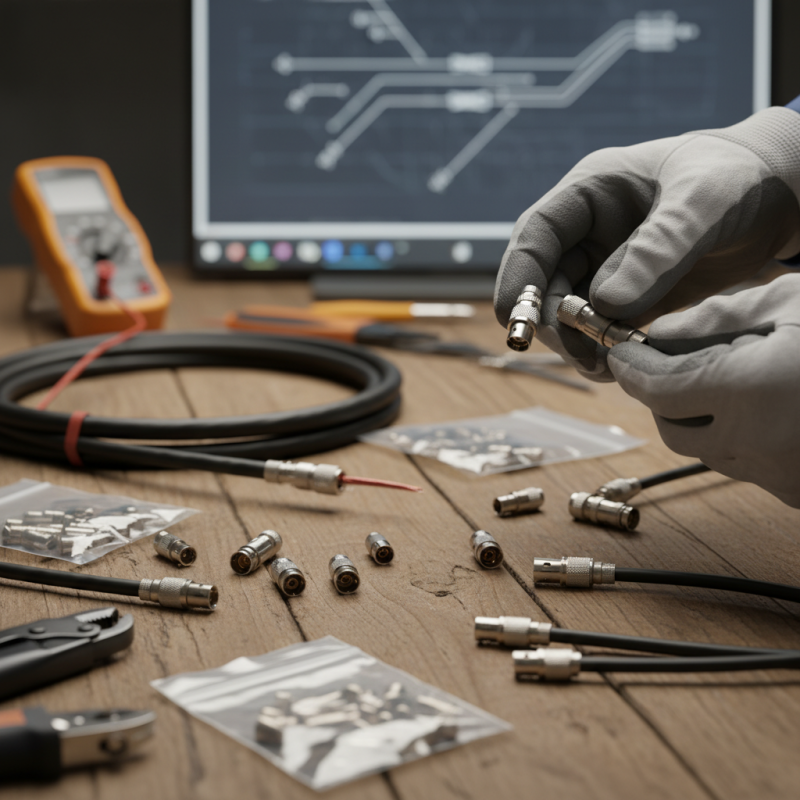
Preparation is key. Before starting, gather all necessary tools. These may include crimpers, a coax cutter, and a screw-on connector. A well-organized workspace can prevent mistakes. It minimizes distractions that could lead to errors. You want to make sure each step is done correctly. Mistakes can be costly.
Tips: Double-check the cable length before cutting. It's tempting to rush, but measuring twice can prevent wasted materials. Always align connectors properly. Misalignment can cause a weak signal. This is a common oversight. Take your time to reflect on each step in the process. The right connection today saves trouble tomorrow.
How to Choose the Right Coax Connectors for Your Needs? - Installation Considerations: Tools and Techniques for Proper Connection
| Connector Type |
Cable Compatibility |
Installation Tool |
Technique |
Use Case |
| F-Type |
RG6, RG59 |
Coax Cable Crimper |
Twist-on or compression |
TV and Cable Modems |
| BNC |
RG58, RG59 |
BNC Crimp Tool |
Crimp or solder |
Video and CCTV |
| RCA |
RG59 |
RCA Tool |
Push-and-pull |
Audio and Video Devices |
| SMA |
RG174, RG316 |
SMA Crimp Tool |
Crimp and torque |
Wireless Applications |
Maintenance and Troubleshooting: Ensuring Optimal Performance of Connectors
Maintaining coax connectors is crucial for optimal performance. Regular inspection helps identify wear or damage. Check for corrosion on metal parts. A dirty connector can degrade signal quality. Adopting a cleaning routine is essential. Use a soft cloth to wipe them down. Alcohol wipes can remove stubborn grime effectively.
Troubleshooting common issues is vital. If you experience signal loss, inspect the connections. Ensure they are tight but not too tight. Loose connectors can cause interruptions. If a connector appears cracked, it may need replacing. Observing these small details can save you from bigger problems down the line.
Consider the environment as well. Extreme temperatures can affect performance. Keeping connectors in a regulated space is ideal. Using protective covers can extend their life. Reflections and signal interference might occur in poorly connected setups. A thorough understanding of your system will significantly aid maintenance efforts.