How to Choose the Best Cable Management Tools for Your Setup?
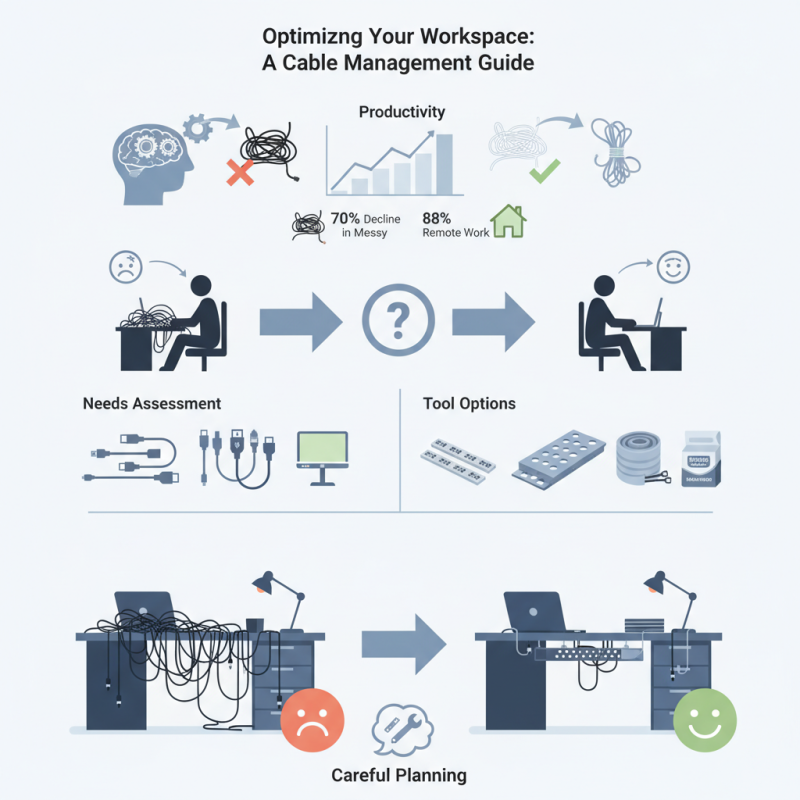
In today’s digital age, a well-organized workspace is essential. A study by The International Data Corporation reveals that 70% of professionals feel productivity declines in messy environments. This highlights the importance of effective cable management tools. Managing cables not only enhances aesthetics but also ensures safety. Tangled cables can lead to accidents or equipment damage.
The rise of remote work has made home office setups more common. According to Statista, 88% of organizations encourage remote work. Many people are unaware of how cable management tools can improve their setups. Cluttered cables may distract from focused work and impair mental clarity. Choosing the right tools is crucial for creating an efficient workspace.
When selecting cable management tools, consider your specific needs. Will you require adhesive clips or under-desk trays? Each option has its pros and cons. Poor decisions in this area can lead to frustration. Careful planning is key to an aesthetically pleasing and functional environment. Taking the time to evaluate your cable management tools can make a significant difference in your working experience.
Understanding Cable Management: Importance for a Clean Workspace
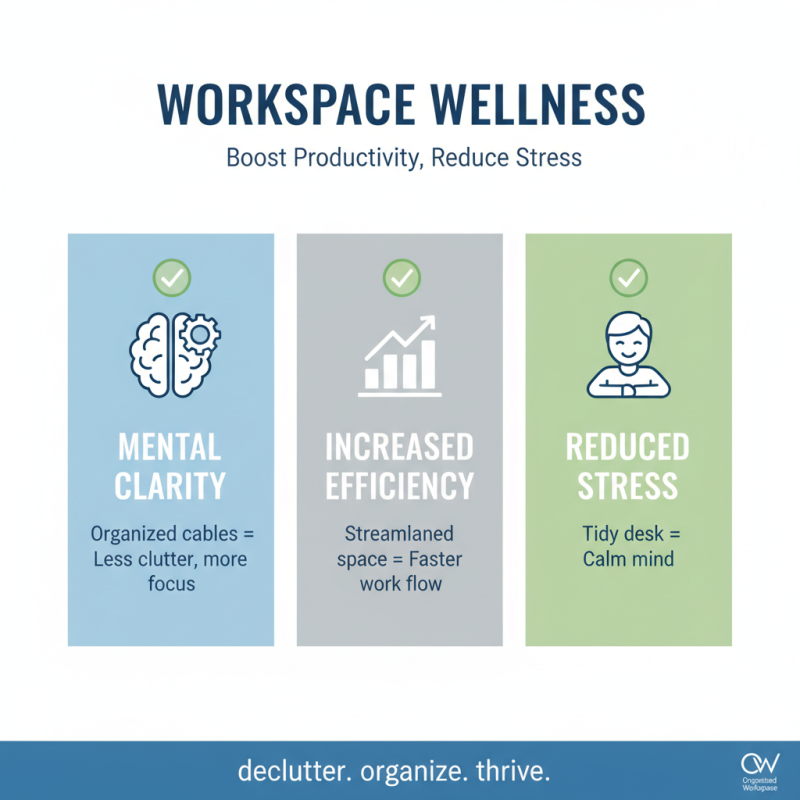
A clean workspace significantly boosts productivity. When cables are neatly organized, distractions are reduced. An untidy desk with tangled wires can create stress. It affects focus and efficiency. Keeping cables in check is crucial for mental clarity.
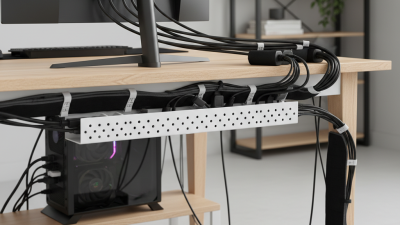
Tips for better organization: Use cable ties to bundle wires together. Label each cable for easy identification. This way, you can quickly troubleshoot any issues. Consider using cable sleeves or clips to guide cables along surfaces. They keep everything in place and prevent tangling.
The importance of cable management extends beyond aesthetics. Cables cluttered on the floor can be safety hazards. They can cause tripping accidents or damage devices. Regularly assess your setup. Are there cables you don’t use? Remove unnecessary wires to maintain a tidy environment. Reflect on your workspace. Does it support your productivity goals?
Evaluating Types of Cable Management Tools: Clips, Sleeves, and Trays
When considering cable management tools, it's essential to evaluate various types, including clips, sleeves, and trays. Clips are excellent for securing cables along walls or desks. They come in multiple sizes and styles. According to a recent industry report, 45% of users prefer clips for their simplicity and effectiveness. However, clips may not provide the best organization for complex setups.
Sleeves represent another option, ideal for bundling cables together. They can enhance aesthetics and reduce tangling. A survey indicated that 30% of users favor sleeves for their ability to conceal multiple cables simultaneously. Yet, while they look clean, they can make it difficult to identify individual cables. Consider this when choosing sleeves for your setup.
Trays, on the other hand, are perfect for larger installations. They allow for easy access and organization of many cables. However, they may take up more space and could clutter your area if not managed correctly. Research highlights that 25% of users struggle with the maintenance of cable trays over time. Each tool has its advantages and potential drawbacks; weigh these carefully based on your needs.
How to Choose the Best Cable Management Tools for Your Setup?
| Type |
Material |
Best For |
Pros |
Cons |
| Cable Clips |
Plastic or Metal |
Small to Medium Cables |
Easy to Install, Low Cost |
Limited in Capacity |
| Cable Sleeves |
Fabric or Neoprene |
Multiple Cables |
Organizes Multiple Wires, Flexible |
Can Be Bulky, Requires Cutting |
| Cable Trays |
Metal or Plastic |
Heavy Duty Cables |
Strong Support, Good for Installations |
Installation Can Be Complex |
| Cable Management Boxes |
Plastic or Wood |
Hiding Cables |
Clean Aesthetic, Versatile |
May Be Too Small for Large Cables |
Assessing Material Durability: Plastic vs. Metal Cable Management Solutions
When considering cable management tools, material durability is crucial.
Plastic and metal solutions each offer distinct benefits and drawbacks.
Plastic cable organizers are lightweight and often less expensive.
They can resist moisture better than metal. However, over time, plastic can become brittle.
It may crack under pressure or exposure to extreme temperatures.
On the other hand, metal cable management tools provide a sturdy option.
They are often more durable and less prone to damage.
Metal organizers do not break easily and can withstand heavy loads.
Yet, they can rust in humid environments. This is a detail some users overlook.
The choice depends on your setup's specific needs, including environmental factors.
Assessing cable management solutions goes beyond aesthetics.
Think about how often you move equipment. Frequent changes may benefit from flexible plastic options.
Conversely, static setups may do well with solid metal organizers.
Remember, durability isn’t just about the material. It’s also about how you use it.
Consider your workspace to make a well-informed decision.
Optimal Cable Length and Accessories: Reducing Clutter in Your Setup
Cable management is crucial for maintaining an organized workspace. Choosing the right cable length is a fundamental part of this process. According to a report from the International Data Corporation, 70% of workers believe that a cluttered workspace decreases their productivity. This statistic underscores the need for effective cable length management. Cables that are too long create unnecessary mess. Shorter cables provide a cleaner look but can sometimes be too restrictive.
Accessories also play a significant role in cable management. Items like cable sleeves, clips, and ties help organize and minimize clutter. A study from the Human Factors and Ergonomics Society found that effective organization can improve user satisfaction by 30%. However, many users overlook the types of accessories that best suit their environments. Without proper tools, even the best intentions may fail.
Investing in the right tools is only half the battle. Regularly assessing the setup can lead to improvements. Users often realize that their initial choices do not perfectly meet their needs. Reflecting on the arrangement can reveal opportunities for better organization and efficiency. The goal is not just aesthetics, but also function.
Industry Recommendations: Top Brands and Products for Cable Management
When organizing cables, choosing the right tools can make a big difference. Consider using cable sleeves to bundle several cords together. This keeps areas neat and prevents tangles. Additionally, adhesive clips can secure cables along walls or desks. They provide an easy way to keep everything in place.
Some users prefer cable boxes for a more polished look. These boxes can hide unsightly power strips. However, they can trap heat if not ventilated properly. The size and capacity of the box should match your needs. Failing to check compatibility may lead to frustration.
Lastly, color-coded labels can help identify cables easily. This technique reduces confusion, especially when troubleshooting. However, labeling might wear off over time. Regular checks are necessary to ensure labels remain readable. Overall, try different products to find what truly works for your setup. Adjustments can lead to a more efficient and organized space.