How to Choose the Best Cable Tools for Your Projects?
Choosing the right cable tools is crucial for any project. John Miller, a leading expert in the cable industry, once stated, “The best tools empower your creativity.” This sentiment rings true for both professionals and DIY enthusiasts. Selecting the appropriate cable tools can enhance both efficiency and performance. However, many overlook the subtleties involved in this choice.
When evaluating cable tools, consider the project requirements and your skill level. High-quality tools may come at a higher price, but they often deliver reliability. It's important to remember that even seasoned professionals can make missteps. A tool that seems perfect during a quick browse may not suit every job.
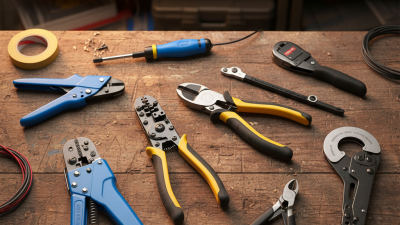
Think about the specific tasks at hand. Whether it's stripping, crimping, or cutting, each task requires its own set of cable tools. Reflecting on your past experiences can aid in decision-making. Analyze what worked and what didn’t. This process will help you avoid repeating mistakes and ultimately lead you to the best tools for your projects.

Understanding Different Types of Cable Tools Available in the Market
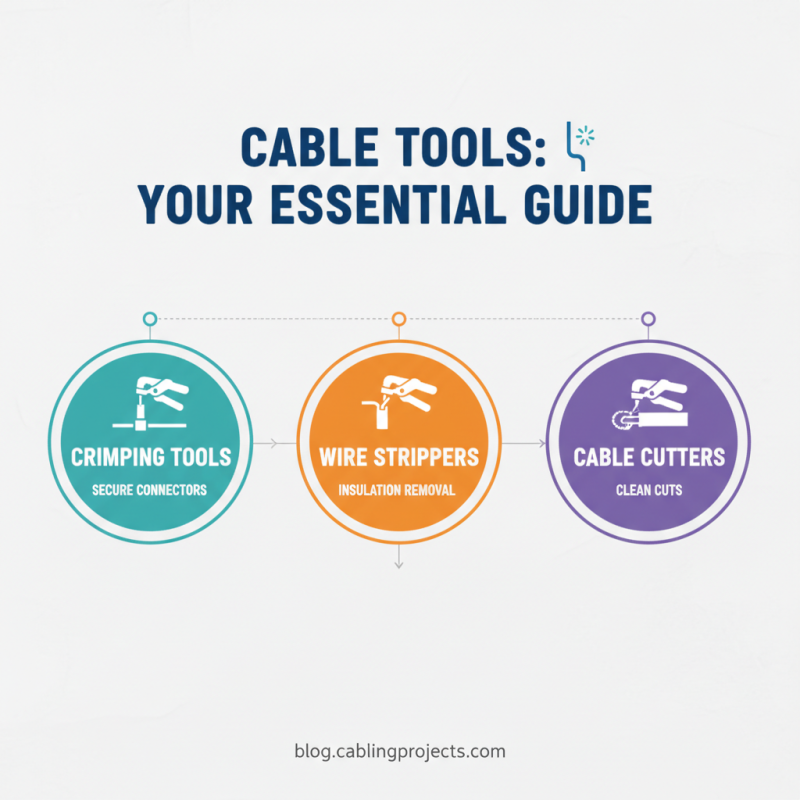
When selecting cable tools for your projects, understanding the variety available in the market is essential. There are crimping tools, wire strippers, and cable cutters, each serving a distinct purpose. Crimping tools are crucial for securely attaching connectors to cables. Wire strippers help remove insulation without damaging the wire itself. Cable cutters are designed to provide clean cuts for thicker cables.
Tips: Always consider the gauge of wire you will be working with. Choose tools that specifically match the wire size for better results. Check the tool’s ergonomics. Comfortable handles can make a significant difference during extensive projects.
Understanding the features of each tool can also be challenging. Some may have adjustable settings for different wire sizes. Others might be manual or electric, impacting efficiency. Don’t rush the selection process. Take time to evaluate what works best for your specific needs. Sometimes, a more basic tool may serve your purpose just as well.
Factors to Consider When Choosing Cable Tools for Specific Projects
Choosing the right cable tools is crucial for various projects. Different projects require different tools. For instance, installing electrical wiring needs specific tools that may differ from those used in telecommunications. Evaluate your project requirements carefully before making a selection.
Comfort is also key when selecting cable tools. Look for tools that feel right in your hand. A tool that is too heavy can cause fatigue. Too small? It may lead to mistakes. Additionally, ensure that the tools are well-suited for the specific types of cables you will be working with. Some cables are more delicate and require gentler handling.
Price often plays a significant role in decision-making. While investing in quality tools is important, a high price doesn’t always guarantee the best performance. Balancing cost with functionality can be tricky. Reflect on your past experiences with tools. Did low-cost options fail you? Conversely, did high-end tools justify their price? These reflections can guide your future purchases effectively.
Evaluating the Quality and Durability of Cable Tools
When evaluating the quality and durability of cable tools, it's essential to look at the material.
Steel tools often provide robustness. However, not all steel is created equal. Some might rust or corrode quickly. You need tools that resist wear over time.
Check for protective coatings that enhance durability.
Examine the design and ergonomics. A well-designed tool feels comfortable. It should fit your hand nicely. If it is awkward to hold, it could lead to fatigue. Some tools may look good but may fail in practical use.
Ensure they have a solid grip. This small detail can make a big difference during lengthy tasks.
Don't forget to read reviews and user feedback. Real experiences can highlight flaws in a tool's performance. Pay attention to common complaints.
Sometimes, a tool may have great features but lack reliability.
Reflect on what matters most to you in a project. Quality tools last longer and save money, but they can be an investment through trial and error.
Make informed choices by seeking detailed insights.
Budgeting for Cable Tools: Cost-Effective Options and Premium Choices
When choosing cable tools, budgeting is crucial. Many professionals find themselves torn between cost-effective options and premium choices. Industry reports indicate that the average spending on quality cable tools ranges from $200 to $2,000 annually, depending on the project size. A significant percentage of contractors, about 60%, prefer mid-range tools that offer reliability without breaking the bank.
Affordable options often include essential hand tools and basic cable testers. These tools might lack advanced features but can perform standard tasks effectively. However, investing more in premium tools can yield long-term benefits, especially for complex projects. Premium tools typically feature enhanced durability and precision, which can save costs on repairs and replacements. A report by the Electric Tool Institute shows that professionals using high-end tools achieve a 30% improvement in efficiency.
Still, some may hesitate. Premium prices can be daunting. This can lead to compromises and possibly regrets later. Balancing budget constraints with quality needs requires careful reflection. Taking time to assess not only current project requirements but also future demands is essential. A thoughtful approach can prevent overspending or under-equipping for essential tasks.
Safety Features to Look for in Cable Tools to Avoid Accidents
When choosing cable tools for your projects, safety should always be a priority. Look for tools that come with insulated handles. This feature significantly reduces the risk of electric shocks. A good grip is another important aspect. Tools that slip can lead to accidents. Some tools even have safety locks to prevent accidental use. These should be a must-have for anyone working with electrical cables.
Check for tools with visible indicators for material integrity. Dull blades or worn-out components can cause serious injuries. Regular inspection is necessary. It is easy to overlook this step, but it can save you from future headaches. Lightweight tools are also a plus. Heavy tools can be cumbersome and lead to fatigue. On the job, fatigue increases the chances of mistakes.
Reflect on your workspace. A cluttered area can add risk. Proper organization can help you locate tools quickly and use them correctly. Don’t forget about wearing the right personal protective equipment. Even the best tools can’t protect you if you’re not prepared. Think long-term about how your choices today impact your future safety.
Safety Features to Look for in Cable Tools
This chart illustrates the importance of various safety features in cable tools, rated on a scale from 1 to 10. Features such as insulation and non-slip grip are deemed most critical for ensuring the safety and effectiveness of cable tools in projects.