Why Choose the Right Fiber Optic Cable Connectors?
Choosing the right fiber optic cable connectors is crucial for network performance and reliability. According to a report by MarketsandMarkets, the global fiber optic connector market is expected to reach $2.67 billion by 2025, driven by the increasing demand for high-speed data transmission. The importance of selecting quality connectors cannot be overstated, as they directly impact signal integrity and overall network efficiency.
Industry expert Dr. Sarah Jennings states, “The choice of fiber optic cable connectors can make or break a network.” This emphasizes that every detail matters. In many cases, poor connector choices have led to signal loss and increased maintenance costs. Professionals in the field often reflect on the pitfalls of using substandard connectors. They note that while it might seem cost-effective initially, the long-term consequences can be overwhelming.
The field of fiber optic technology continues to evolve. Understanding how to choose the right fiber optic cable connectors is essential for anyone looking to build or upgrade their network. Failing to do so could undermine otherwise well-planned infrastructure. Ultimately, the choice should be based on reliability, compatibility, and performance.
Understanding Fiber Optic Cable Connectors: Types and Functions
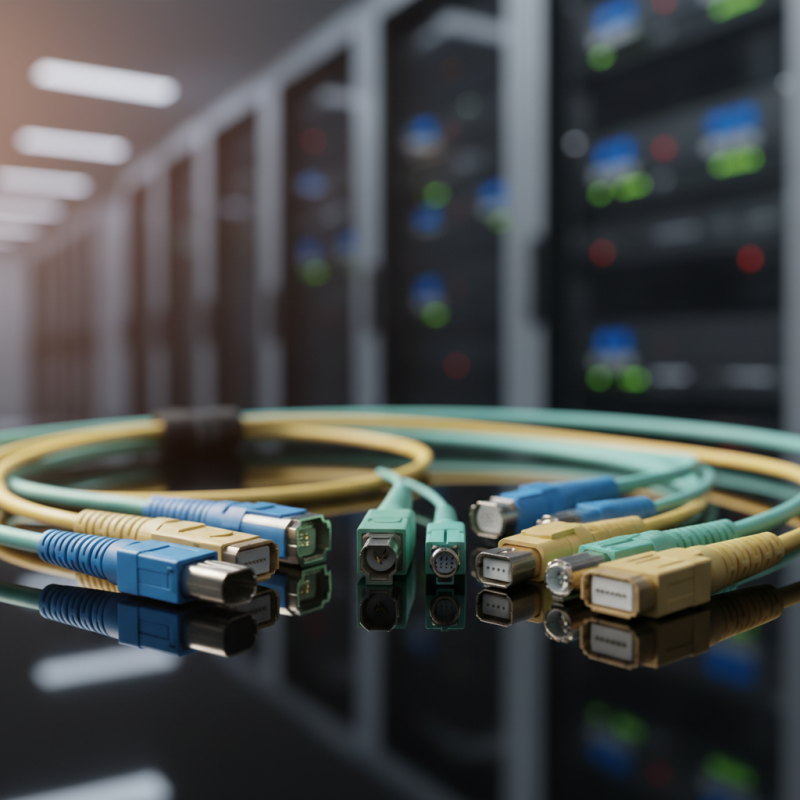
Fiber optic cable connectors are essential components in modern telecommunications. They play a crucial role in determining the efficiency and reliability of data transmission. Understanding the different types of connectors is vital for anyone involved in fiber optics.
There are several types of fiber optic connectors, including SC, LC, and ST connectors. Each type has unique features that suit different applications. SC connectors offer easy installation and excellent performance. LC connectors are compact and ideal for high-density environments. ST connectors are known for their durability but might not be as common today. Each connector type influences the signal quality and transmission speed.
Selecting the right connector impacts overall system performance. For instance, poor quality connectors can lead to increased signal loss. This can result in slower data rates or even complete disconnection. Users often overlook these details, leading to frustration. Understanding these nuances is essential for effective fiber optic networks.
Key Factors to Consider When Choosing Fiber Optic Connectors
When selecting fiber optic cable connectors, several key factors must guide your choice. First, consider the connector type. Different types exist, including LC, SC, and ST. Each has specific applications and performance characteristics. The right connector type can influence the efficiency and speed of data transmission.
Another crucial aspect is compatibility. Ensure your connectors match the fibers you use. Mismatched connectors can lead to significant signal loss, affecting overall network performance. Additionally, assess the connector quality. High-quality materials increase durability and longevity. Lower-quality connectors may degrade over time, leading to frequent replacements.
It’s also essential to think about the environment. Factors like temperature, humidity, and exposure to chemicals can impact connector performance. In hostile environments, ruggedized connectors may be necessary. This attention to detail in connector selection can save time and resources down the line. Aim for precision in these choices to enhance your installation's success.
Why Choose the Right Fiber Optic Cable Connectors?
Choosing the right fiber optic cable connectors is crucial for ensuring optimal performance and reliability in communication systems. Below is a bar chart illustrating key factors to consider when selecting fiber optic connectors based on importance and impact.
Industry Standards for Fiber Optic Connectors: Ensuring Compatibility
Choosing the right fiber optic connectors is crucial for network performance and reliability. Industry standards for these connectors play a vital role in ensuring compatibility across various devices and systems. Fiber optic connectors must meet specifications such as optical loss, durability, and environmental resistance. These standards help prevent issues like signal degradation and connectivity problems.
Compatibility is more than a technical requirement; it establishes trust in communication infrastructures. Using connectors that adhere to recognized standards reduces the risk of failure. However, not all connectors are created equal. Sometimes, products claiming to meet these standards do not deliver expected performance. This inconsistency can lead to costly downtimes.
Installing the right connectors can improve overall system robustness. Yet, mistakes can happen during installation or choice of connectors. Regular reviews and audits of equipment are essential. It is critical to assess whether existing connections still meet industry standards. Choosing the right fiber optic connectors is an ongoing process that calls for vigilance and commitment to quality.
Why Choose the Right Fiber Optic Cable Connectors? - Industry Standards for Fiber Optic Connectors: Ensuring Compatibility
| Connector Type |
Description |
Typical Use |
Standards |
| SC Connector |
Subscriber Connector with a push-pull design for easy installation. |
Data centers and telecommunications. |
TIA-604-3, IEC 61754-4 |
| LC Connector |
Lucent Connector, compact size, good for high-density applications. |
Telecom and bulkhead applications. |
TIA-604-10, IEC 61754-20 |
| ST Connector |
Straight Tip connector, bayonet-style for secure locking. |
Fiber optic networks in educational institutions. |
TIA-604-2, IEC 61754-3 |
| MTP/MPO Connector |
Multi-fiber connector used for high-density links. |
Data centers and high-speed backbone connections. |
ANSI/TIA 568.3-D, IEC 61754-7 |
| FC Connector |
Ferrule Connector with a screw-on mechanism, high precision. |
Laser-based applications and telecommunications. |
TIA-604-1, IEC 61754-10 |
Impact of Fiber Optic Connector Quality on Network Performance
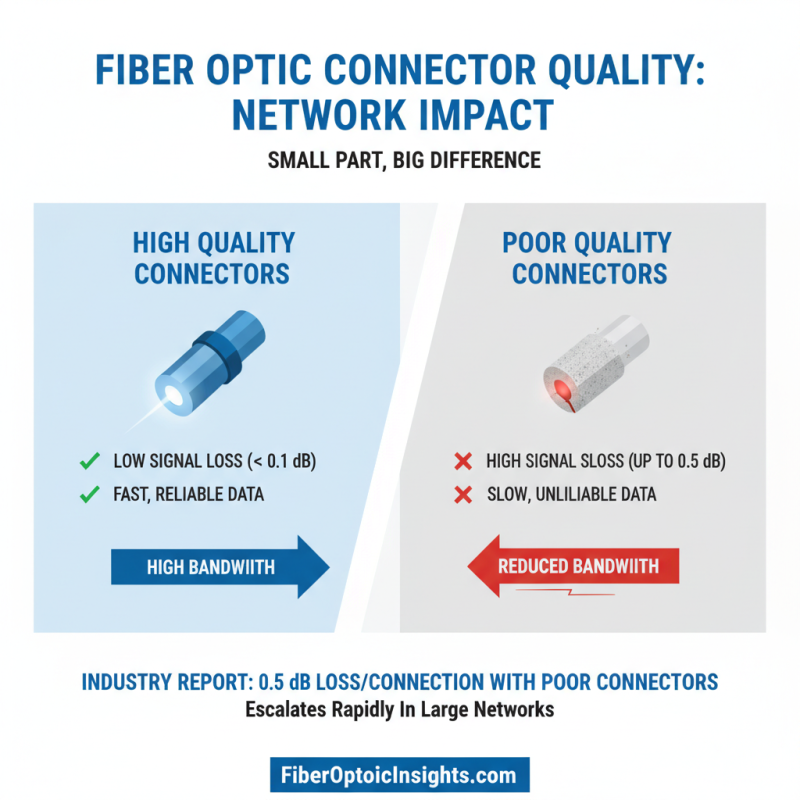
Fiber optic connectors play a crucial role in network performance. Their quality directly affects data transmission efficiency. Poor connectors can lead to increased signal loss and reduced bandwidth. According to industry reports, poorly made connectors can cause losses of up to 0.5 dB per connection. This seemingly small figure can escalate quickly in larger networks.
The precision of connector manufacturing is essential. Slight misalignments in fibers can lead to significant performance drops. For instance, a misalignment of just a few microns can decrease transmission quality. In critical applications like data centers, even minor performance issues can lead to serious bottlenecks.
Additionally, the materials used in connectors matter. Low-quality materials can degrade faster, leading to frequent replacements. This not only incurs direct costs but also impacts network reliability. Regular maintenance checks are essential, but they don’t replace the need for high-quality connectors. Investing in good connectors is often overlooked but is vital for sustained network performance.
Future Trends in Fiber Optic Connector Technology and Applications
Fiber optic connector technology is rapidly evolving. As industries demand faster and more reliable connections, the future trends in this field are both exciting and essential. The push for higher data rates drives innovation in fiber optic connectors. Engineers are developing new designs that enhance performance while maintaining ease of installation.
Tip: When selecting connectors, consider their compatibility with existing systems. Compatibility ensures seamless integration and maximizes performance.
Another area of growth is in the miniaturization of connectors. Smaller connectors can fit into devices where space is limited. This allows for more compact designs in telecommunications and networking equipment. The challenge lies in balancing size with durability. Smaller components may risk damage if not manufactured with care.
Tip: Always check the latest standards and specifications. Staying informed can help you avoid outdated technologies.
Lastly, advancements in materials are influencing the durability and efficiency of connectors. New fiber types and coatings provide better performance under various conditions. The trend is toward eco-friendly materials that reduce environmental impact, reflecting a growing awareness of sustainability.
Tip: Evaluate the environmental impact of your fiber optic choices. Sustainable options can benefit the planet and potentially lower costs in the long run.