How to Convert Cable to Fiber for Better Internet Speed?
As internet usage continues to skyrocket, many users are seeking superior options. The transition from cable to fiber emerges as a highly discussed solution. According to a report by the Fiber Broadband Association, fiber internet provides download speeds up to 1 Gbps, significantly faster than the 200 Mbps typically offered by cable. This gap in performance drives consumers to consider upgrades.
Cable to fiber conversion not only enhances speed but also improves reliability. Fiber optics suffer less interference and degradation over distance. Opting for fiber can lead to a decrease in latency, which is crucial for real-time applications like gaming and video conferencing. Recent studies show that users experience up to 50% lower latency with fiber connections compared to cable.
However, the switch isn't without challenges. Installation costs can be higher, and some may face limited availability in their area. Additionally, transitioning requires educating users about the benefits and potential hurdles. Overall, while cable to fiber conversion presents clear advantages, the journey demands careful consideration and reflection on one’s needs.
Understanding the Differences Between Cable and Fiber Internet
When considering internet options, understanding the differences between cable and fiber is crucial. Cable internet uses coaxial cables, delivering decent speeds for everyday tasks. However, performance can dip during peak hours. Many users encounter buffering while streaming or gaming. This inconsistency can lead to frustration.
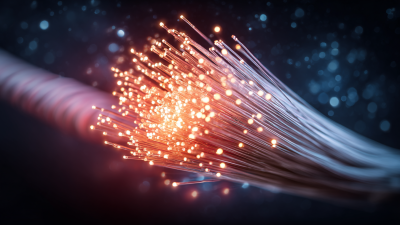
Fiber internet, on the other hand, employs thin glass or plastic fibers to transmit data as light. This method allows for significantly higher speeds, often reaching gigabit levels. Fiber connections remain stable regardless of user volume. Reliability is a key factor. Many users find that fiber enhances their online experience, allowing for seamless multitasking.
Yet, transitioning from cable to fiber isn't always straightforward. Availability may be limited in some areas. Even where fiber exists, installation costs can vary. Users should weigh these factors carefully. Determining whether to make the switch involves evaluating personal needs and local infrastructure. It's not only about speed but also about long-term satisfaction.
Assessing Your Current Internet Speed and Needs
Assessing your current internet speed is essential before considering a cable-to-fiber conversion. Start by running an internet speed test. This will give you a clear picture of your upload and download speeds. Understanding your speed can highlight issues. For instance, constant buffering during streaming indicates your current setup may not be meeting your needs.
Next, think about your requirements. Do you stream in high definition? Are multiple devices connected simultaneously? These factors affect your internet demands. If you work from home or enjoy online gaming, you need higher speeds. Reflect on your usage patterns and consider future needs. Fiber-optic connections can provide faster speeds and greater stability. This makes them suitable for households with heavy internet usage.
However, it’s important to acknowledge that not everyone needs a fiber connection. Perhaps your internet tasks are basic. Casual browsing or checking emails might not require top speeds. Evaluate whether the benefits of faster internet justify the costs. Each user has different needs. Understanding your situation can guide your decision to upgrade or not.
Choosing the Right Fiber Internet Service Provider
Choosing a reliable fiber internet service provider (ISP) can significantly impact your online experience. Start by assessing the availability of fiber infrastructure in your area. Not all areas are equally served, and some suburbs may have limited options. Research local providers and their reputation. User reviews can offer insights into service reliability and customer support.
Additionally, consider the speed and plans offered by potential ISPs. Many providers advertise impressive speeds, but actual experiences can vary. Look for data caps and hidden fees in the small print. These can affect your overall internet performance and cost. It's essential to inquire about installation procedures too. Some ISPs require professional installation, while others provide self-installation kits.
Evaluating customer service is also crucial. Fiber installations can sometimes face hiccups. Responsive support can make a difference in resolving issues quickly. Identify a provider that values communication. An effective customer service team can help you troubleshoot problems, ensuring the best internet experience possible.
Gathering Necessary Equipment for Fiber Installation
When transitioning from cable to fiber for better internet speed, having the right equipment is crucial. Start by assessing the current setup. You will need a fiber-optic modem or gateway that supports high-speed internet over fiber. Ensure it is compatible with your service provider. This is key to avoid potential connectivity issues.
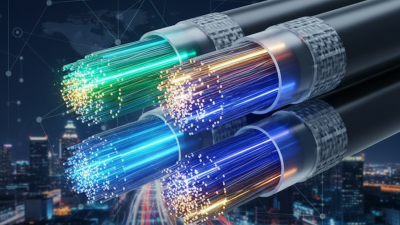
Next, acquire necessary cables. Fiber-optic cables differ from traditional ethernet cables. They transmit data using light, which provides faster speeds. Measure the distance between your fiber service point and your router. Choosing the right length and type of fiber cable can be crucial. Sometimes, misjudging this distance leads to signal degradation.
Additionally, consider the installation tools. A fiber termination kit might be required if you plan to install connectors yourself. While opting for a professional installation can seem expensive, it may save time and errors. Remember, the quality of installation impacts speed and stability. Be prepared to troubleshoot issues afterward. Not all setups go perfectly smooth on the first try, and that is alright. Take your time to ensure everything is functioning as it should.
Steps to Transition from Cable to Fiber Internet
Transitioning from cable to fiber internet can significantly enhance your online experience. The process involves several clear steps.
Begin by researching local fiber providers. This will help you understand your options. Reach out to them to verify the availability of fiber in your area. Fiber installation is more complex than cable. It may take time to schedule an installation appointment.
Once you have chosen a provider, prepare your home for installation. Clear the area around existing cable lines. This will help the technician do their job efficiently. Additionally, check your hardware. Ensure your modem and router are compatible with fiber technology. Some older devices may need an upgrade.
On installation day, ask questions. Understand how the new system works. Not all technicians offer the same quality of service. A knowledgeable technician can guide you through setup.
Reflect on your internet usage habits after the transition. You might initially notice a significant speed increase. However, it can be challenging to adjust to different data limits. Be aware that while fiber is faster, it's essential to choose an optimal plan that fits your needs.