Why Are Cable Connectors Essential for Your Devices?
Cable connectors play a crucial role in modern technology. These small devices link various gadgets and ensure smooth communication between them. Without reliable cable connectors, your devices may face connectivity issues and malfunctions.
Today, our lives depend on efficient data transfer. For instance, charging your smartphone or connecting speakers involves cable connectors. A faulty connector can lead to frustrating interruptions. Even the best devices can struggle without proper connections.
However, not all connectors are created equal. Some may wear out quickly, leading to performance problems. It's essential to choose high-quality cable connectors. Reflecting on this, how often do we overlook their importance? Investing in better connectors can enhance your overall experience.
Understanding Cable Connectors and Their Functionality
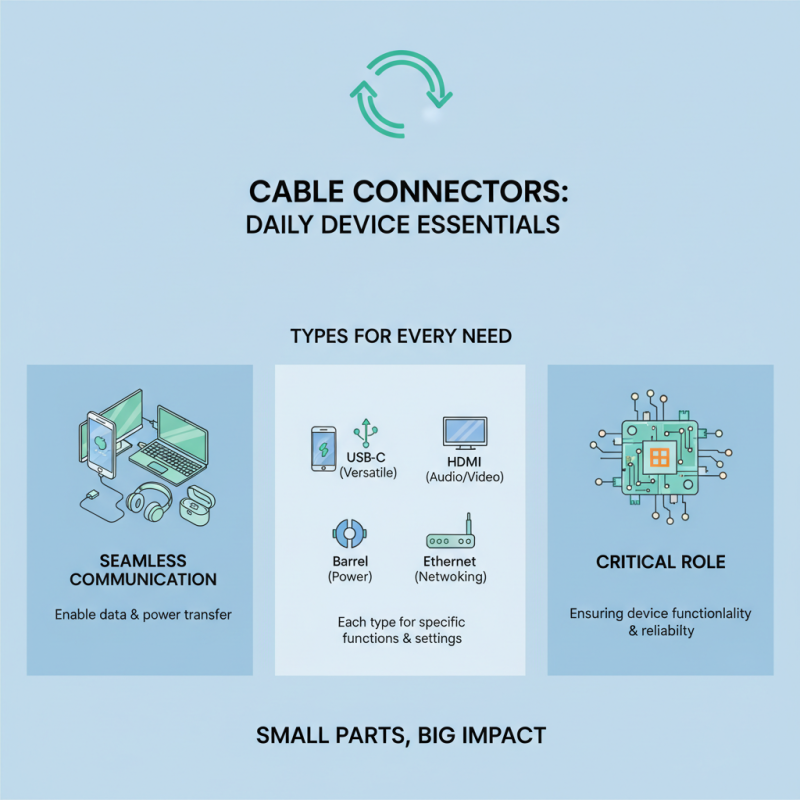
Cable connectors play a vital role in our daily devices. They ensure seamless communication between components. From charging smartphones to connecting a computer to a monitor, these connectors are everywhere. Not all connectors are created equal. Each type serves a specific function and is designed for unique settings.
Understanding their functionality is crucial. For example, a USB connector transfers data quickly, while an HDMI connector is essential for video output. Yet, many people neglect their maintenance. Dust and wear can lead to poor connections. A loose connector can create interruptions during use. These simple issues can lead to significant frustration.
Sometimes, choosing the right connector feels overwhelming. There are numerous options available, each with different specifications. Mismatched connectors can result in the device not functioning correctly. Users need to be aware of compatibility issues. It is important to reflect on these choices, as they directly affect device performance.
Types of Cable Connectors: Overview of Common Variants
Cable connectors play a vital role in the functionality of various devices. They enable the transmission of power and data between components. Different types exist, each serving specific purposes based on the device's requirements.
Common variants include USB connectors, HDMI connectors, and Ethernet connectors. USB connectors are often used for charging and data transfer with numerous devices, from smartphones to printers. HDMI connectors deliver high-definition video and audio, making them ideal for televisions and gaming consoles. Ethernet connectors ensure stable internet connections for computers and network equipment, crucial in today’s digital world.
Choosing the right connector can be daunting. Misplaced connectors can lead to connectivity issues. Some people overlook this detail, resulting in frustration when devices fail to interact properly. It's essential to understand the purpose and compatibility of each connector type. Taking the time to research can save users a lot of hassle and time in the long run.
Why Are Cable Connectors Essential for Your Devices? - Types of Cable Connectors: Overview of Common Variants
| Connector Type |
Description |
Common Use Cases |
Advantages |
Limitations |
| HDMI |
High-Definition Multimedia Interface |
TVs, Monitors, Projectors |
Supports high-quality video and audio |
Limited length for high quality |
| USB |
Universal Serial Bus |
Computers, Phones, Printers |
Versatile, supports data transfer and charging |
May require adapters for different versions |
| Ethernet |
Networking Cable |
Internet, Local Area Networks |
High-speed internet connection |
Limited mobility, requires cables |
| DisplayPort |
Display Connection Interface |
Monitors, Graphics Cards |
Supports high refresh rates |
Less common than HDMI |
| VGA |
Video Graphics Array |
Older Monitors, Projectors |
Compatible with older devices |
Lower video quality compared to modern options |
Importance of Quality in Cable Connectors for Device Performance
When it comes to device performance, quality matters.
Cable connectors are the unsung heroes behind our technology.
They ensure that signals are transmitted without interference.
Low-quality connectors can lead to frustrating issues like
data loss or poor performance.
The importance of using quality cable connectors cannot be overstated.
A well-made connector enhances the overall reliability of your devices.
Cheap alternatives may break easily or cause intermittent connections.
Your device’s optimal functioning hinges on these components. If the connectors fail, your entire setup suffers.
Consider how often you rely on devices.
Poor-quality connectors can disrupt your workflow or leisure time.
It’s not just about the price. Sometimes, investing in better quality means avoiding future headaches.
Reflection on the choice of connectors can lead to improved experiences with your devices.
Failing to prioritize quality may leave you wishing for better performance down the line.
How to Choose the Right Cable Connector for Your Needs
Selecting the right cable connector for your devices is crucial. Not all connectors are created equal, and the right choice can significantly impact functionality. A recent industry report noted that over 70% of device failures linked to connectivity issues stem from poor connector choices. This statistic underscores the importance of informed decision-making.
When choosing a connector, consider compatibility first. Different devices require specific connectors for optimal performance. For example, USB, HDMI, and Ethernet connectors serve distinct purposes. Ensure you identify your device's requirements accurately. Also, pay attention to the materials used in connectors. High-quality materials can enhance durability, something that is often overlooked.
**Tip:** Always check specifications before purchasing. Specifications guide you toward the right choice.
Additionally, think about the type of connection you need. Do you require fast data transfer? If so, opt for high-speed connectors. On the other hand, if your devices demand high voltage, seek connectors designed for power. Ignoring these requirements can lead to inefficiencies and potential damage.
**Tip:** Consult online reviews to gauge durability and performance. Past user experiences often reveal potential issues.
Choosing a cable connector might seem straightforward, yet many make spur-of-the-moment decisions. Take the time to research and reflect on your needs. A thoughtful approach can save you from frequent replacements and frustrations.
Common Issues with Cable Connectors and Maintenance Tips
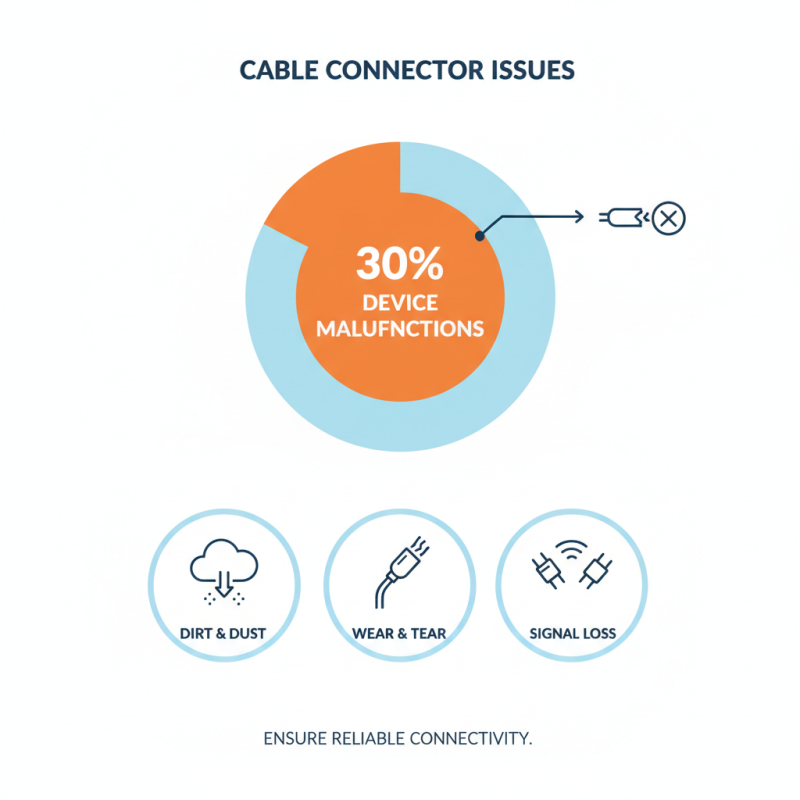
Cable connectors are crucial for ensuring our devices function properly. However, they often face issues that can disrupt connectivity. According to a recent industry report, up to 30% of device malfunctions relate to faulty connectors. This statistic highlights a common problem many users encounter. Dirt, dust, and wear can all contribute to decreased performance of cable connectors.
Maintaining connectors is essential for longevity. Regular cleaning can prevent build-up that impairs connection quality. Use a soft brush or compressed air to clear debris. More importantly, inspect connectors regularly for signs of wear. Frayed wires or bent pins could indicate a need for replacement. According to the same report, proactive maintenance can extend the lifespan of cable connectors by nearly 50%. Users often overlook the impact of minor neglect. Even a small issue can lead to significant device failures.
Lastly, it’s vital to use connectors correctly. Forcing connections can damage both the connector and the device. Taking time to ensure a proper fit can save headaches later. Proper handling and awareness of these issues will greatly enhance the performance and lifespan of your devices.