What is Galvanized Nails and Why You Should Use Them?
Galvanized nails have become a staple in the construction industry. Their popularity stems from their ability to resist rust and corrosion. According to a recent report by industry analysts, nearly 60% of builders prefer using galvanized nails for outdoor projects. This preference arises from the longevity and durability these nails provide.
However, there are considerations to keep in mind. Not all projects require galvanized nails. Overuse can lead to unnecessary costs. Some applications might benefit from alternative fasteners. It’s essential to evaluate the specific demands of a project before choosing galvanized nails.
In conclusion, while galvanized nails offer advantages, they aren't the universal solution. Understanding when to use them is crucial. The right choice can enhance both the quality and longevity of construction projects, but careful evaluation is key.
What Are Galvanized Nails and Their Composition?
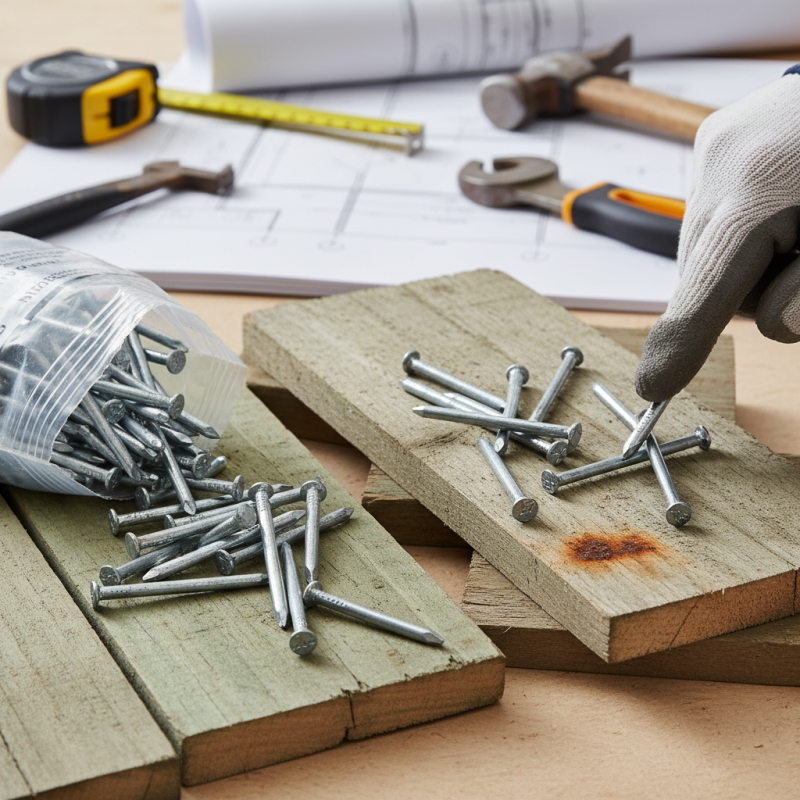
Galvanized nails are steel nails coated with a layer of zinc. This coating helps prevent rust and corrosion. The process of galvanization enhances the nails' durability. According to a report by the American Galvanizers Association, galvanized steel can last up to 50 years in certain environments. The protective layer forms a barrier against moisture and oxygen, which are key factors in corrosion.
The composition of galvanized nails typically includes iron combined with a zinc layer. This combination provides strength and resistance. However, it is worth noting that not all zinc coatings are the same. Some may be too thin, leading to premature rusting. In environments with high humidity, it's crucial to choose higher-grade galvanized nails. These additional costs can be challenging for budget-conscious projects.
Nails may also develop white rust if improperly stored or exposed. This is a zinc corrosion issue that can compromise performance. Professionals often stress the importance of correctly assessing the environment where the nails will be used. This helps ensure longevity and structural integrity. Selecting the right type of galvanized nail requires careful consideration. It is not a one-size-fits-all solution.
The Process of Galvanization: How Nails Are Coated
Galvanization is a process that protects nails from rust and corrosion. It involves coating iron or steel nails with a layer of zinc. Zinc serves as a barrier against moisture. It also reacts with oxygen, forming zinc oxide, which further protects the metal underneath. This extra layer increases durability and helps the nails last longer.
During the galvanization process, nails are cleaned first. They are often submerged in a solution to remove any contaminants. After cleaning, the nails undergo hot-dip galvanization. They are dipped into molten zinc, allowing a thick coating to form. This method ensures that even the intricate parts of the nail are covered. Over time, some may question whether the coating is necessary, but the protection it offers is clear.
Not all nails are suitable for galvanization. Some applications may require different materials. It's key to understand the project's needs. Often, people overlook the importance of choosing the right type of nail. The wrong choice can lead to early corrosion. This might result in wasted time and resources.
What is Galvanized Nails and Why You Should Use Them?
| Dimension | Details |
| Material | Steel coated with zinc |
| Corrosion Resistance | High resistance due to zinc layer |
| Common Uses | Outdoor construction, roofing, and framing |
| Advantages | Durability, rust protection, cost-effective |
| Application | Commonly used in both residential and commercial projects |
| Availability | Widely available at hardware stores |
Advantages of Using Galvanized Nails in Construction
Galvanized nails are steel nails coated with a layer of zinc. This coating makes them resistant to rust and corrosion. In construction, they provide durability and longevity. Using galvanized nails is crucial, especially in roofing and outdoor projects. They withstand harsh weather conditions.
One significant advantage of galvanized nails is their strength. They hold materials together well. This prevents structural failures over time. Additionally, they are easier to work with compared to other types of nails. However, it’s essential to choose the right type. Not all projects require galvanized nails. For indoor work, standard steel nails might suffice.
Another factor to consider is cost. Galvanized nails can be slightly more expensive. Sometimes, it’s easy to overlook budgets when selecting materials. Yet, the long-term benefits can outweigh initial expenses. The right materials save money on repairs in the future. It's important to evaluate the specific needs of your project before making a decision.
Common Applications of Galvanized Nails in Various Projects
Galvanized nails are metal fasteners coated with zinc to prevent rust. They are durable and perfect for outdoor projects. Many builders prefer galvanized nails for various applications. Their resistance to corrosion makes them ideal for woodwork that will face elements.
Common projects featuring galvanized nails include deck construction, fencing, and roofing. For decks, these nails withstand moisture without losing grip. In fencing, they keep the structure stable under rain and sun. Roofing projects benefit from their ability to face harsh weather.
However, using galvanized nails isn't always smooth. Overdriving them can lead to split wood. If not driven in straight, they may bend. It’s essential to take care while hammering. Awareness of potential issues ensures better results and longevity in your projects.
Common Applications of Galvanized Nails
Galvanized nails are commonly used in various projects due to their resistance to rust and corrosion. Below is a bar chart showing the percentage of usage in different applications.
Comparing Galvanized Nails to Other Types of Fasteners
When comparing galvanized nails to other types of fasteners, several factors come into play. Galvanized nails excel in corrosion resistance. This is crucial for projects exposed to moisture. According to a study by the American Society of Civil Engineers, galvanized fasteners can last five to ten times longer than their non-galvanized counterparts in outdoor conditions.
In terms of application, galvanized nails are preferred for wood and roofing projects. They prevent rust stains on surfaces, adding longevity to the structure. Other fasteners, such as regular steel, lack this advantage. A report from the Construction Industry Institute highlights that up to 30% of building materials fail due to corrosion-related issues.
Tip: Always choose galvanized fasteners in areas with high humidity. It can save you money on repairs in the long run.
Another consideration is the cost. Galvanized nails are generally pricier than regular steel nails. However, the investment is often worth it. Their durability reduces future costs related to maintenance and replacement.
Tip: Buy in bulk for better pricing. It’s an effective way to manage expenses while ensuring quality.