2026 How to Choose the Best RJ45 Tester for Your Needs?
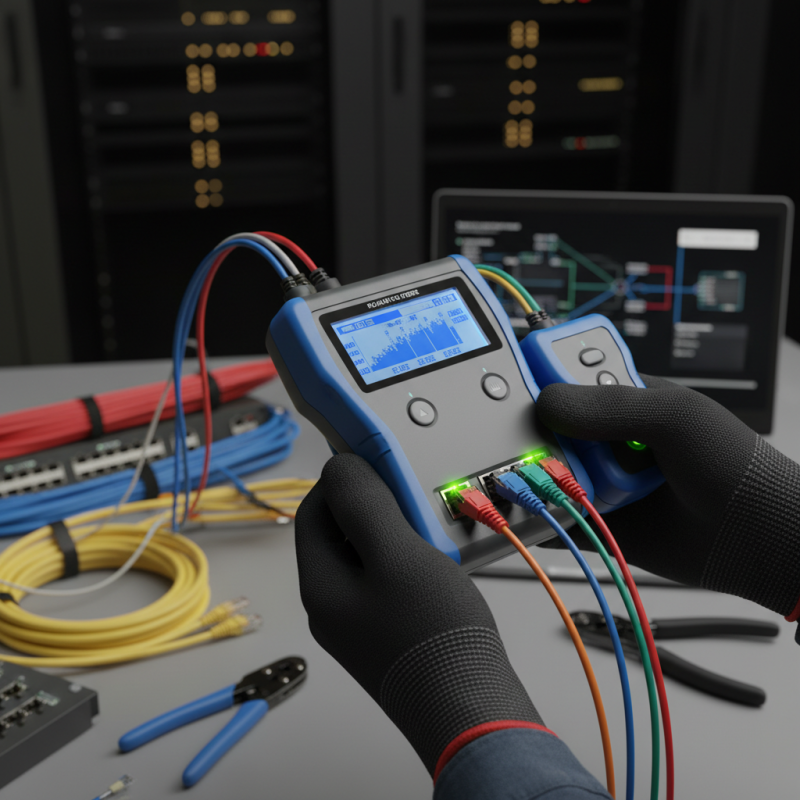
Choosing the right RJ45 tester can significantly affect your networking tasks. With numerous options available, it's crucial to understand what suits your needs best. An RJ45 tester ensures your Ethernet cables function correctly. It detects wiring faults and verifies connectivity.
Different testers offer varied features. Some provide advanced functionalities, like cable mapping and PoE testing. Others focus on basic connectivity checks. Think about your requirements. A simpler model may suffice for home use, while complex networking environments need more advanced testers.
Choosing an RJ45 tester is not just about price or brand. Consider reliability and user reviews. Look for a tester that aligns with your skills and tasks. Familiarity with these tools enhances your troubleshooting capabilities. Balancing features with usability can sometimes be challenging, yet it's essential for efficiency.
Understanding RJ45 Testers: Types and Features
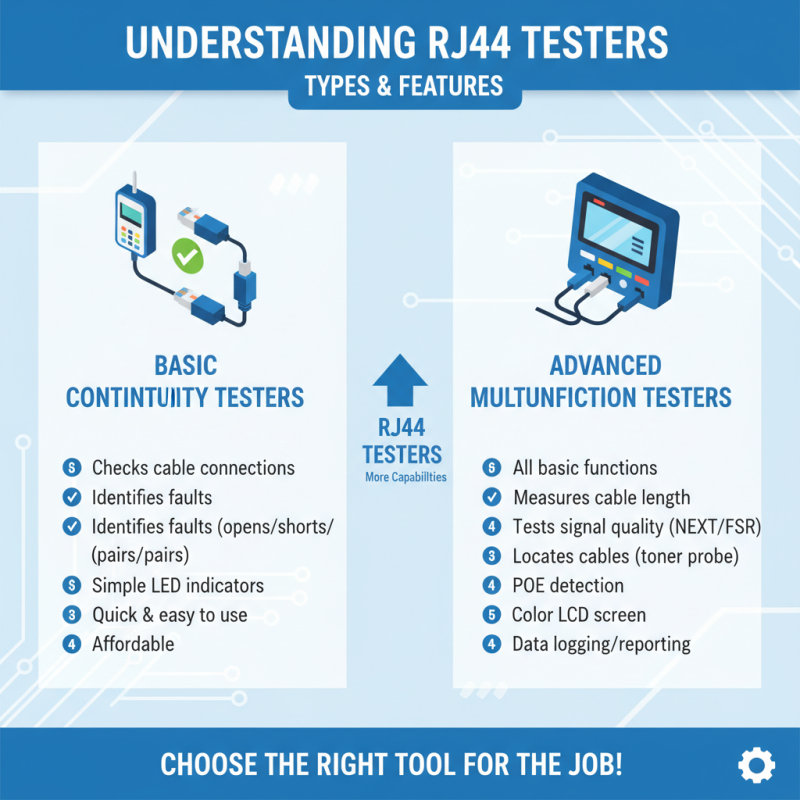
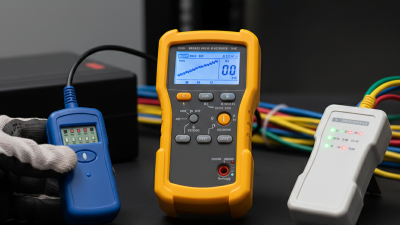
Choosing the right RJ45 tester can seem daunting. Yet, understanding the different types and features simplifies this process. RJ45 testers come in various forms, including basic continuity testers and advanced multifunction devices. Basic models check cable connections, helping identify faults quickly. Multifunction testers offer more capabilities, such as verifying cable length and signal quality.
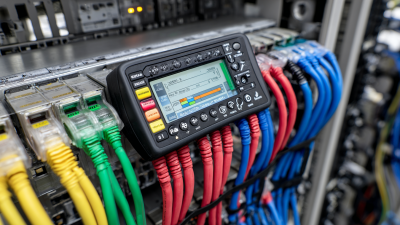
Another essential feature is the ability to test PoE (Power over Ethernet). This is crucial for installations that require power delivery along with data transmission. Additionally, some testers provide graphical interfaces or LCD screens, which can make troubleshooting easier. While advanced testers may seem appealing, consider whether you truly need all those functions. Sometimes, a basic model suffices.
Reflections on usability are important too. Will the tester's design facilitate ease of use? Is it durable enough for frequent projects? As technology evolves, staying informed about the latest options is key. You might find that less complex models often perform the necessary tasks without overwhelming features.
Key Considerations for Selecting an RJ45 Tester
When selecting an RJ45 tester, several key considerations come into play. Understanding your specific needs is vital. Are you testing basic cables or troubleshooting complex networks? A simple tester may suffice for home use, while professionals might require advanced features. Check the tester's capability to diagnose issues like cable miswiring or continuity faults. This functionality can save you time and hassle.
Another important aspect is the ease of use. Look for testers with clear displays and simple controls. A device that requires extensive instruction can be frustrating. Consider portability too. If you’re often on the move, a lightweight and compact design will be beneficial. Battery life is also crucial. A tester that frequently needs charging can slow down your work.
In terms of reliability, read reviews and seek recommendations from experienced users. Not all testers perform equally, and some might not withstand the rigors of daily use. Assess the build quality. A sturdy tester often indicates better performance over time. Keep in mind that while a higher price might suggest better features, it's essential to evaluate if those features meet your actual needs.
Comparing Analog and Digital RJ45 Testers
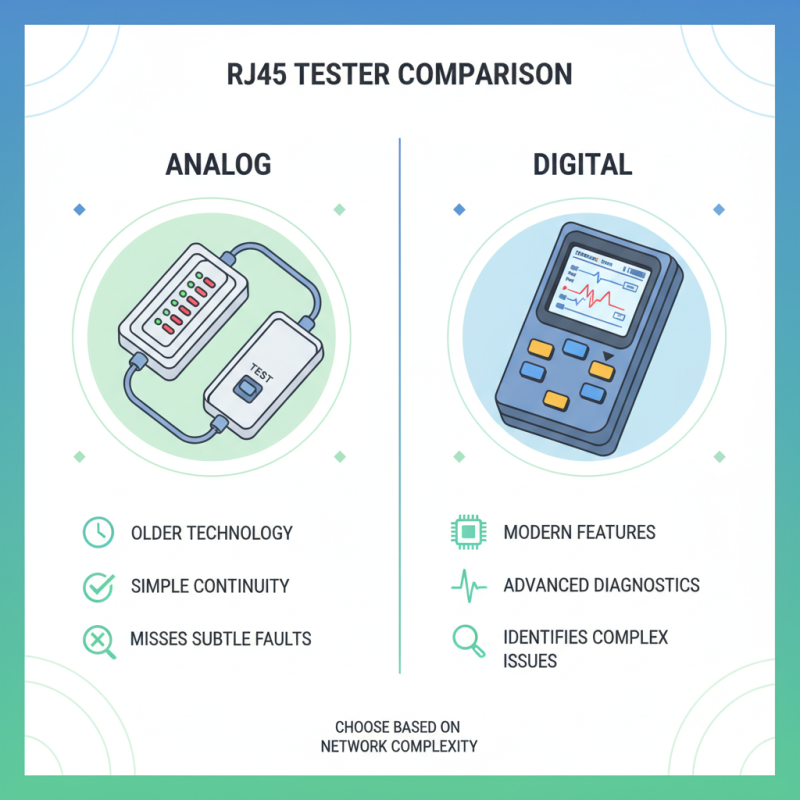
When selecting the best RJ45 tester, understanding the differences between analog and digital testers is crucial. Analog testers have been around for many years. They are straightforward, offering basic testing functions. Many users prefer them for their simplicity. However, their limitations become evident when faced with complex network issues. They can miss subtle faults that only a digital tester can identify.
Digital RJ45 testers, on the other hand, provide advanced diagnostics. They can detect cable length and signal quality. According to industry reports, digital testers are up to 40% more accurate in identifying cable faults. This accuracy is essential for network performance. Many professionals now rely on digital testers to ensure network integrity, especially in larger installations.
While these devices offer clear advantages, they also come with a steeper learning curve. Some users may struggle to interpret digital readings. This can lead to misdiagnosis of network issues. Therefore, hands-on experience with these tools is vital. Users must invest time in training. In an ever-evolving tech landscape, staying updated with the latest testing technology is a challenge worth tackling.
Essential Functions of a Quality RJ45 Tester
When selecting an RJ45 tester, understanding its essential functions is crucial. A quality RJ45 tester should accurately determine the integrity of network cables. It should check for continuity, short circuits, and cable length. According to industry reports, 87% of network issues stem from cabling faults, emphasizing the importance of testing equipment.
Testing tools should provide results quickly and be simple to interpret. Indicators or LEDs showing pass/fail conditions help users grasp issues at a glance. Moreover, features like PoE (Power over Ethernet) testing are increasingly vital. A 2023 survey revealed that over 70% of network installations now utilize PoE technology, making it essential for testers to accommodate this feature.
It's also worth noting that some testers offer advanced functionalities, like cable mapping. However, testing units without a user-friendly design may frustrate technicians. The complexity of certain models can lead to misinterpretation of results. Thus, while advanced features can be beneficial, the tester’s usability should not be overlooked. Ensuring that the tool aligns with your specific needs is vital for effective network management.
Essential Functions of a Quality RJ45 Tester
Assessing Your Budget for an RJ45 Tester Purchase
When considering an RJ45 tester, it's essential to establish a budget that aligns with your needs and expectations. The market offers a variety of testers, each varying in price and features. Determine what you can afford before diving into specifications. Some testers offer basic functionality, while others provide advanced features for troubleshooting networks.
A lower-priced model may suffice for simple tasks. However, investing a bit more can enhance capabilities. Consider what you'll use the tester for—installation, maintenance, or complex troubleshooting. If your work involves frequent network testing, spending more may yield better long-term results.
Moreover, assess potential hidden costs. Some testers require additional accessories or software subscriptions. These extras can significantly impact your final expenditure. Keep an eye out for user reviews that highlight real-life experiences. This feedback can provide valuable insights beyond the specs. Balancing cost with functionality is key, ensuring that you get a reliable tool suited to your specific needs.