Humeral Interlocking Nail Tips for Effective Use and Recovery?
The Humeral Interlocking Nail has emerged as a crucial tool in orthopedic surgery. This innovative approach addresses complex humeral fractures effectively. Surgeons and patients alike benefit from its use, promoting faster recovery and better outcomes. However, it is essential to navigate the technique with caution and knowledge.
Effective use of the humeral interlocking nail requires precision. Surgeons must possess a clear understanding of the anatomy involved. Missteps in placement can lead to complications, impacting the recovery process. Patients should be well-informed about the procedure and engage in their rehabilitation plans actively. Post-operative care cannot be overlooked; it plays a vital role in healing.
Despite its advantages, challenges remain. Some patients may experience discomfort or complications during recovery. In these moments, reflection on the procedure and its effectiveness is necessary. We must remain aware that improvement in surgical techniques is ongoing. Each case provides lessons for the future, making continuous learning essential.
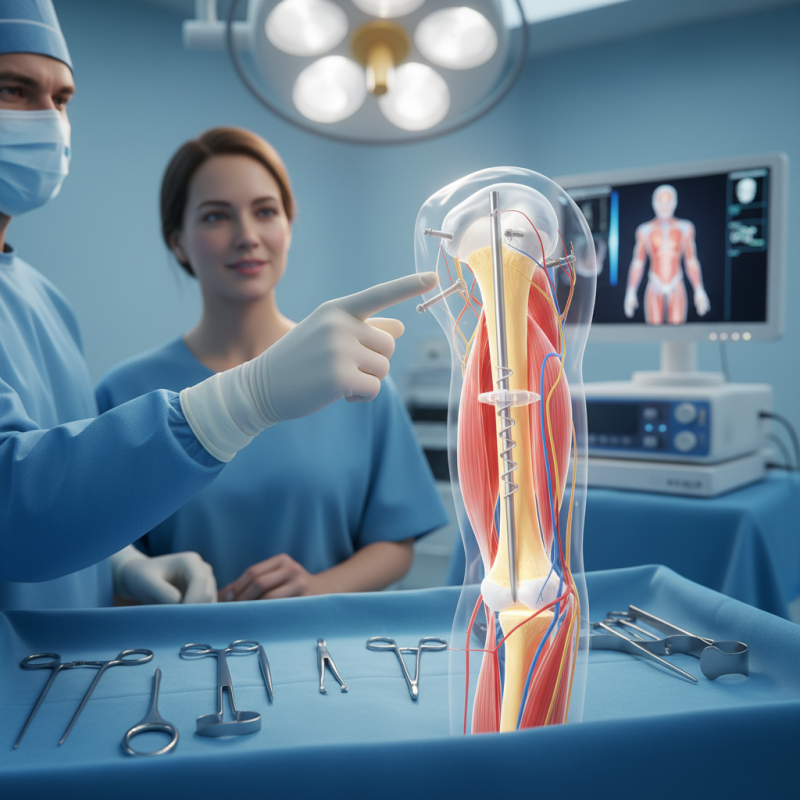
Benefits of Humeral Interlocking Nails in Fracture Management
Humeral interlocking nails have transformed fracture management in recent years. These devices offer a minimally invasive option for stabilizing complex fractures. Studies indicate a success rate exceeding 90% in achieving union in humeral fractures treated with interlocking nails. This success partly stems from their ability to provide rigid fixation, allowing for early mobilization.
Patients often experience shorter recovery times. Research shows an average rehabilitation period of 12 weeks compared to nearly 20 weeks for traditional methods. However, complications can arise, such as infection or improper alignment. Surgeons must carefully plan the procedure to mitigate these risks.
The weight-bearing capacity of humeral nails is notable, offering significant support. Data indicates that patients return to daily activities within 8 to 10 weeks post-surgery. Despite these benefits, some patients report discomfort, necessitating adjustments. Furthermore, understanding individual anatomy is crucial; not every patient may achieve the same outcome.
Benefits of Humeral Interlocking Nails in Fracture Management
This chart illustrates the effectiveness of humeral interlocking nails in various dimensions of fracture recovery, including pain reduction, mobility improvement, and complication rates.
Indications for Humeral Interlocking Nails: Patient Selection Criteria
Humeral interlocking nails are a valuable tool in orthopedic surgery. Proper patient selection is essential for successful outcomes. Indications for using these nails include complex humeral fractures and non-unions. Patients should have good overall health and be willing to engage in rehabilitation. Age and activity level play a crucial role in decision-making.
It’s important to evaluate each case individually. Some patients may have underlying conditions that complicate recovery. For instance, those with osteoporosis might face risks. In these scenarios, careful assessments and thorough consultations are vital. Surgeons should discuss potential challenges with patients upfront.
Here are a few tips for effective recovery: Engage in gentle motions early on. This can promote healing without overexertion. Adhering strictly to a rehabilitation plan is also key. It’s easy to feel discouraged, but staying committed is essential. Remember, every patient is different, and each recovery journey may have its bumps.
Surgical Techniques for Effective Placement of Humeral Interlocking Nails
Surgical techniques for the placement of humeral interlocking nails are crucial for patient outcomes. Precision in placement can significantly impact healing times. A study from the Journal of Orthopaedic Trauma highlights that correct alignment can reduce recovery time by up to 30%. Proper techniques enhance stability and decrease complications.
Surgeons must consider the anatomic variations of the humerus. Using fluoroscopy during surgery can improve accuracy. Research indicates that real-time imaging leads to a 25% decrease in malalignment rates. Training and experience also play vital roles. New surgeons might struggle initially, leading to inconsistent results. Continuous education in surgical methods is essential.
Complications, such as infection and nonunion, still occur. One report noted up to 10% incidence in certain cases. Reflecting on technique and outcomes is necessary for improvement. Feedback loops can help in refining surgical practices. Each operation provides data that can enhance future procedures. Adjustments in protocols based on these reflections can lead to better patient care.
Post-operative Care and Rehabilitation Strategies for Optimal Recovery
Post-operative care is crucial after a humeral interlocking nail procedure. Following surgery, it's common to experience swelling and discomfort. This can affect mobility, making rehabilitation challenging. Ice packs can help reduce inflammation, but rest is equally important. Patients often underestimate the power of good rest.
Rehabilitation strategies play a major role in recovery. Gentle exercises should begin as soon as possible. Simple movements can prevent stiffness. However, it’s easy to push too hard, leading to setbacks. Building strength takes time, and some patients might feel frustrated. Listening to the body is key. Physical therapists often provide tailored plans, but you might struggle to follow them at times.
Nutrition also plays a vital role in healing. A balanced diet rich in proteins can support tissue repair. However, cravings for unhealthy foods can be tempting. Staying hydrated is important, but many forget to drink enough water. Awareness of these aspects can significantly influence recovery speed and overall well-being. Prioritizing these strategies can lead to a smoother journey during rehabilitation.
Outcome Measures: Success Rates and Complications of Humeral Interlocking Nails
Humeral interlocking nails are vital tools in orthopedic surgery. They stabilize fractures in the humerus, helping patients regain mobility. Recent studies show promising outcomes. Successful recovery rates often exceed 80%. However, complications can occur. Infection and nonunion remain concerns. Analyzing these factors is crucial.
For effective use, consider key tips. Proper pre-operative planning is important. Surgeons should evaluate the fracture type and location. Tailoring the nail size to the patient's anatomy can improve results. During surgery, precision in placement affects outcomes. Mistakes can lead to complications.
Post-operative care also plays a significant role. Patients must adhere to rehabilitation protocols. Strengthening exercises should begin gradually. Monitoring for signs of infection is essential. Some patients may underestimate their activity level, risking setbacks. Addressing these challenges can enhance recovery and overall success.