Why Choose RJ45 Crimpers for Your Networking Needs and How to Use Them
In the ever-evolving world of networking, the tools we use can significantly impact our efficiency and the quality of our connections. RJ45 crimpers, specialized tools designed to attach connectors to network cables, play a crucial role in ensuring seamless data transmission. According to networking expert Dr. Alan Meyer, "The right crimper can make all the difference in establishing a reliable network, delivering both speed and stability."
Utilizing RJ45 crimpers not only simplifies the process of creating custom cables but also enhances the performance of your network infrastructure. As professionals and enthusiasts alike seek to optimize their setups, understanding how to effectively use these tools becomes essential. From choosing the right gauge cable to mastering the crimping technique, the ability to create your network cables empowers users to tailor their systems to specific needs, ensuring robust performance and connectivity.
In this article, we will explore the advantages of using RJ45 crimpers for your networking needs and provide a comprehensive guide on how to utilize them effectively. Whether you are a seasoned IT professional or a novice looking to enhance your home network, mastering the use of RJ45 crimpers will undoubtedly elevate your networking projects to new heights.
Benefits of Using RJ45 Crimpers for Networking Applications
When it comes to networking applications, using RJ45 crimpers presents a myriad of advantages that can significantly enhance the efficiency and reliability of your connections. RJ45 crimpers enable users to create custom Ethernet cables tailored to specific lengths and needs, eliminating the limitations posed by pre-manufactured options. This adaptability not only saves costs but also ensures that the cables fit perfectly within the specific environment, whether in a home or office setup.
Moreover, RJ45 crimpers contribute to the overall integrity of the networking system. They allow for the creation of high-quality connections that are essential for maintaining signal strength and reducing data loss. With proper crimping techniques, users can ensure that each wire is securely connected, minimizing the risks of disconnections or interference. This is especially beneficial in environments where network reliability is critical, such as data centers or multimedia broadcasting facilities. The ability to repair or replace cables quickly and effectively with RJ45 crimpers also grants users greater control over their networking infrastructure, ultimately leading to a more robust and maintainable network system.
Components and Features of RJ45 Crimpers Explained
RJ45 crimpers are essential tools in the realm of networking, specifically designed for
assembling and terminating RJ45 connectors on Ethernet cables. These versatile tools
typically consist of several key components and features that contribute to their
functionality. The main components include the crimping jaws, which apply
pressure to the connector pins to secure the wires; a cutting blade for
trimming the cable to length; and stripping gauges for removing insulation
from the wire without damaging the conductors. The precision of each component significantly
impacts the reliability of the network connection, making the selection of a quality RJ45
crimper crucial for effective installations.
One of the notable features of RJ45 crimpers is their design, which often incorporates
ergonomic handles for improved comfort during prolonged use. Reports indicate that
using ergonomic tools can reduce the risk of strain and injury, a
critical consideration for professionals handling networking tasks. Additionally,
certain models offer interchangeable dies, allowing for compatibility with various
connector types and sizes. This adaptability is particularly relevant, considering that
the global Ethernet cable market is projected to reach approximately $30 billion
by 2025, reflecting the increasing importance of efficient networking solutions.
The rise of technologies, such as IoT and cloud computing,
further emphasizes the need for reliable and efficient cabling systems, underscoring
the importance of quality tools like RJ45 crimpers in the industry.
Step-by-Step Guide to Using RJ45 Crimpers Effectively
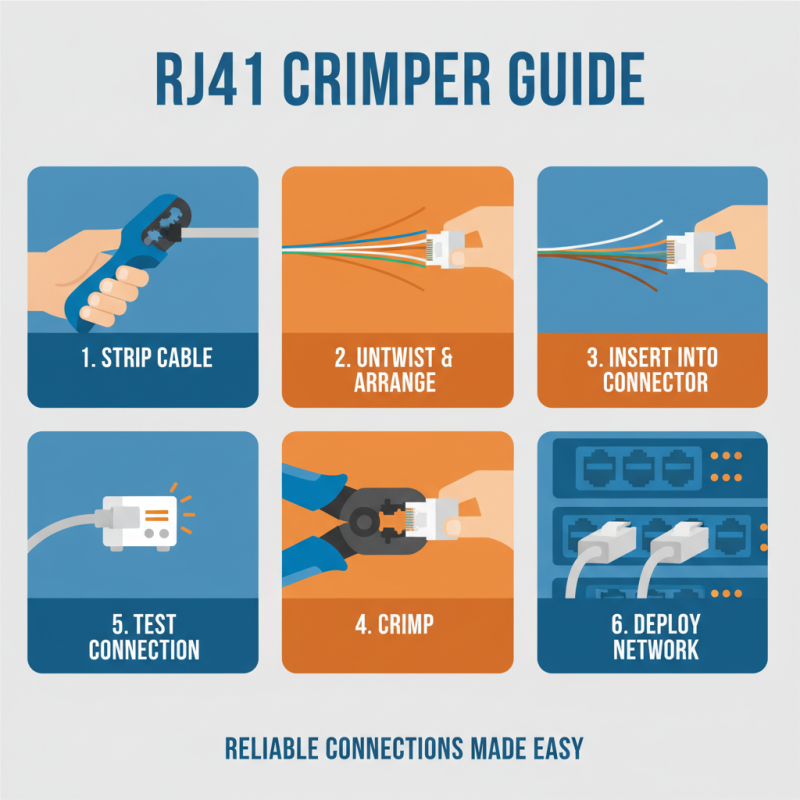
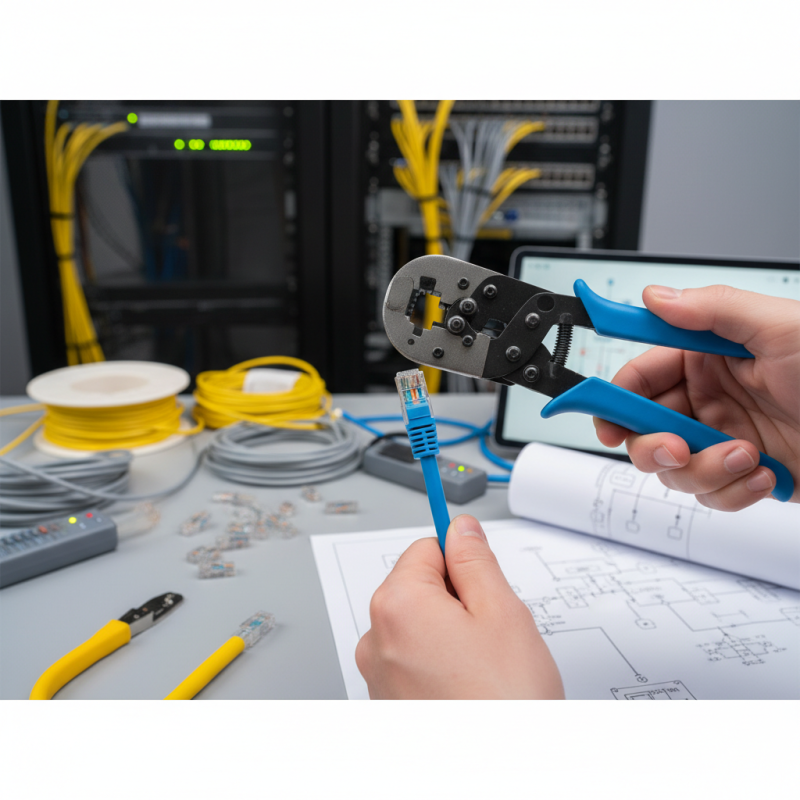
When it comes to setting up a network, using RJ45 crimpers is essential for creating reliable connections. In this step-by-step guide, we’ll explore how to use RJ45 crimpers effectively, ensuring your networking needs are met with professionalism.
To begin, gather all necessary tools, including your RJ45 connectors, a quality crimping tool, and a cable stripper. First, measure and cut your Ethernet cable to the desired length. Strip about 1-2 inches of the outer sheath from the cable to expose the twisted pairs inside. Then, untwist and arrange these pairs according to the T568A or T568B wiring standards—both of which are widely accepted in the industry for ensuring optimal signal quality.
Next, trim the wires to ensure they are even and insert them into the RJ45 connector. When inserting, make sure each wire reaches the front of the connector for a secure fit. Finally, place the connector into the crimping tool and squeeze firmly to create a solid connection. According to industry reports, proper crimping is crucial as poorly crimped cables can significantly increase network failure rates by up to 45%.
Tips: Always double-check the wiring order before crimping, as mistakes can lead to costly downtime. Additionally, using the right gauge cable is vital; for most networking needs, a Cat5e or higher is recommended for improved speeds and performance. Regularly inspecting your crimped cables for wear and ensuring they are free from dirt and damage will also prolong their life and functionality.
Common Mistakes to Avoid When Using RJ45 Crimpers
When using RJ45 crimpers for networking projects, avoiding common mistakes is essential for ensuring reliable connections. One of the most prevalent errors is using the wrong wire arrangement. According to industry standards like T568A and T568B, improper wiring can lead to network bottlenecks or connectivity issues. It's crucial to double-check that your cable follows the correct pinout scheme, especially if you're creating crossover cables, which require a different configuration.
Another frequent mistake is applying incorrect pressure when crimping. Too much pressure may damage the connectors, while too little can result in a loose connection. A study by the Ethernet Alliance noted that a significant percentage of connection failures in network setups are attributed to poor crimping techniques. To prevent this, practice controlled pressure during the crimping process and ensure that all wires are fully seated within the connector before compressing.
**Tips:** Always test your connections with a cable tester after crimping to ensure integrity and performance. Additionally, regularly inspect your tools and connectors for wear and tear; using quality materials can significantly reduce the chances of mistakes. Lastly, maintain a clean workspace to avoid any inadvertent disruption during the crimping process, which can lead to further errors.
Why Choose RJ45 Crimpers for Your Networking Needs and How to Use Them - Common Mistakes to Avoid When Using RJ45 Crimpers
| Feature |
Description |
| Ease of Use |
RJ45 crimpers are designed for simple, efficient operation, making them accessible for both professionals and DIY enthusiasts. |
| Durability |
Built from high-quality materials, these crimpers are made to withstand regular use without degrading in performance. |
| Precision |
The tools ensure accurate connections for optimal network performance, reducing the likelihood of issues caused by poorly crimped cables. |
| Versatility |
These tools can also be used for various types of cables, including telephone and Ethernet cables, expanding their utility. |
| Common Mistake: Incorrect Cable Strip Length |
Stripping too much or too little of the cable can lead to weak connections or signal loss. |
| Common Mistake: Wrong Order of Wires |
Failing to follow the correct wiring standard (T568A or T568B) can cause network connectivity issues. |
| Common Mistake: Not Testing Connections |
Neglecting to test cables after crimping can result in undiagnosed issues that disrupt networking. |
Maintenance Tips for Prolonging the Life of RJ45 Crimpers
When it comes to maintaining RJ45 crimpers, several simple yet effective strategies can help prolong their lifespan and ensure optimal performance. Regular maintenance begins with keeping the crimpers clean and free from dust and debris. It’s essential to wipe the jaws with a gentle cloth and avoid harsh cleaning agents that could damage the tool. According to industry experts, a clean workspace can reduce the wear and tear on crimping tools by as much as 30%, emphasizing the importance of a tidy environment.
Another vital tip is to check the alignment of the cutting and crimping components regularly. Misalignment can lead to uneven crimps or damaged cables, which can result in costly downtime. It’s recommended to inspect the mechanism after frequent use and perform slight adjustments if necessary. Additionally, lubricating the moving parts with a light machine oil can enhance performance and prevent premature wear. Industry reports suggest that proper lubrication can increase the lifespan of hand tools by up to 50%.
Lastly, storing RJ45 crimpers in a protective case when not in use can significantly reduce the risk of damage from environmental factors or accidental drops. Keeping the tool in a designated spot can also help prevent loss and misuse, which are common issues reported by professionals in the networking field. By adhering to these maintenance tips, users can ensure their RJ45 crimpers remain reliable and efficient for all their networking needs.
RJ45 Crimpers Usage Statistics