Top Tips for Choosing Fiber Optic Cable Connectors?
Choosing the right fiber optic cable connectors is crucial for ensuring effective communication. These connectors are vital for data transmission over long distances. They come in various types, each suited for specific applications.
Understanding the differences between connectors can be challenging. Many users overlook critical factors when selecting connectors. The wrong choice can lead to signal loss or connectivity issues. This can be frustrating and time-consuming.
Experts recommend considering compatibility, durability, and performance before making a decision. Quality matters, especially in high-demand environments. Investing in reliable fiber optic cable connectors can save you from future problems. Don't underestimate the importance of proper selection; it can make all the difference.
Understanding Fiber Optic Cable Connectors: An Overview
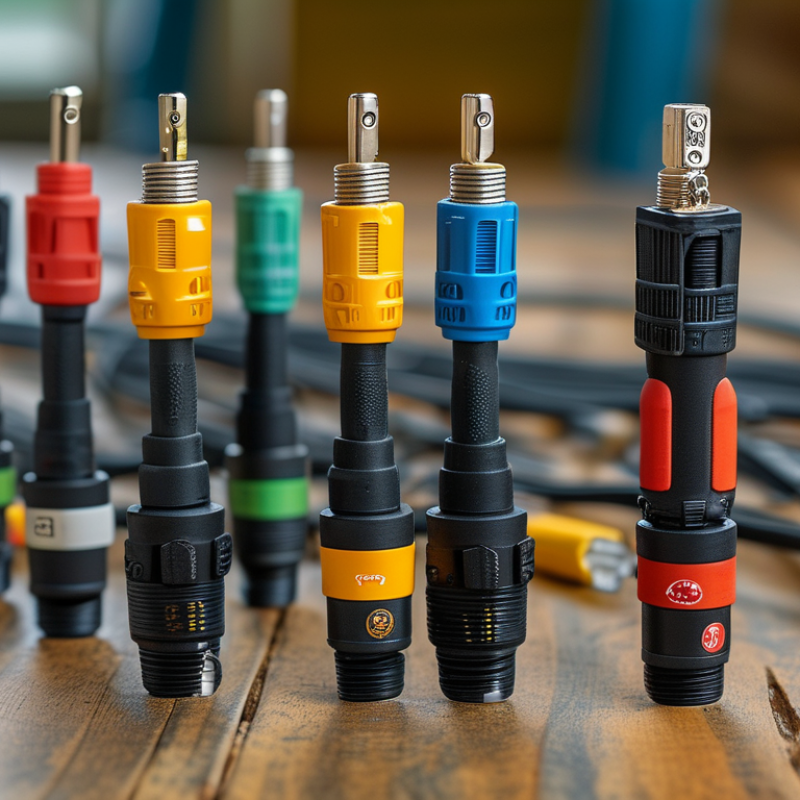
Fiber optic cable connectors play a crucial role in ensuring smooth data transmission. These connectors are essential for maintaining the integrity and speed of fiber optic networks. The performance of a fiber optic system heavily depends on the quality of its connectors. For instance, poorly designed connectors can lead to signal loss, reducing the overall efficiency.
A report by the Fiber Optic Industry Association indicates that up to 70% of network failures are linked to faulty connectors. This statistic underscores the importance of selecting the right type of connector. Various types exist, including SC, LC, ST, and FC connectors, each offering unique advantages. For example, LC connectors are ideal for high-density applications due to their compact size, while SC connectors are preferred for long-distance data transmission.
The material used in connector bodies can also affect performance. Many connectors utilize plastic or metal. Plastic can be lightweight and cost-effective, but metal often offers greater durability. Factors such as thermal expansion and environmental stress can lead to connection issues over time. It's essential to evaluate the specific needs of your network when choosing connectors to avoid future problems. Balancing cost, performance, and reliability is key in making the right decision.
Types of Fiber Optic Connectors and Their Applications
When choosing fiber optic connectors, understanding the different types is crucial. SC, LC, FC, and ST are common types. Each has specific applications and benefits. SC connectors are often preferred for high-density connections. LC connectors are compact and commonly used in data centers. FC connectors are known for their durability in harsh environments, while ST connectors bridge older and newer technologies.
Consider your specific needs when selecting connectors. Compatibility with existing equipment is vital. Pay attention to installation ease, as some connectors require specialized tools. Ensure the connectors match the type of fiber: single-mode or multimode. Fiber count is another factor; connectors should fit the number of fibers you plan to use.
The quality of the connector can affect signal performance. Look for trustworthy manufacturers with a track record. Check specifications such as return loss and insertion loss rates. Do not ignore maintenance; clean connectors regularly to avoid issues. Always keep backups on hand. Reflect on your unique needs; not all connectors are suitable for every situation. Adaptability may be necessary as technology evolves.
Top Tips for Choosing Fiber Optic Cable Connectors
| Connector Type |
Description |
Applications |
Advantages |
Disadvantages |
| LC |
A small form-factor connector with a latch mechanism. |
Data centers, telecommunication. |
Compact size, high-density applications. |
Can be difficult to connect/unconnect in tight spaces. |
| SC |
Standard connector with a push-pull design. |
Networking, CCTV systems. |
Easy to use, reliable connection. |
Takes more space compared to smaller connectors. |
| ST |
A connector with a bayonet mount. |
Older networks, military applications. |
Durable, suited for harsh environments. |
Bulkier than newer alternatives. |
| MPO/MTP |
Multi-fiber connector designed for high-density connections. |
High-capacity networks, data centers. |
Supports multiple fibers in one connector. |
Complex termination process, requires careful handling. |
Key Factors to Consider When Choosing Connectors
When selecting fiber optic cable connectors, several key factors demand consideration. One critical aspect is the connector type.
SC, LC, and ST are common types, each with unique characteristics. For instance, SC connectors offer low insertion loss and high durability, making them suitable for high-density applications. Data from the Fiber Optic Association indicates that SC and LC connectors are increasingly popular in network infrastructure due to their performance and compact size.
Another essential factor is compatibility. Ensuring the connector matches the fiber type—single mode or multimode—is vital. Misalignment can lead to significant signal loss. Industry research shows that compatibility issues account for up to 30% of connection failures in fiber optic systems. Selecting connectors that align with your project's requirements can prevent troubleshooting and reinstallation costs down the line.
Understanding the environment where connectors will be used is also important. For outdoor applications, selecting weatherproof connectors is crucial. In contrast, indoor settings may require less rugged options.
Consideration of environmental factors can extend the lifespan of connectors and ensure consistent performance. Regularly reviewing emerging connectivity technologies can also guide better decision-making as industry standards evolve.
Tips for Ensuring Compatibility with Existing Systems
When selecting fiber optic cable connectors, ensuring compatibility with existing systems is crucial. The wrong connectors can lead to significant data loss or, worse, complete system failures. According to industry reports, nearly 30% of network downtime is attributed to incompatibility issues. Ensure the connectors match the types of fibers used in your current setup, whether single-mode or multi-mode. Each type has distinct optical characteristics that can impact network performance.
Consider connector types, such as LC, SC, or MTP. These may vary in size and functionality. Incompatibility can often stem from using the wrong connector type. It's important to verify specifications and consult compatible charts. A report by the Fiber Optic Industry Association indicates that incorrect connections can reduce signal strength by up to 50%, which can compromise system reliability. Pay attention to connector tolerance levels and physical dimensions, as even minor discrepancies can cause problems.
Installation practices also play a role in overall compatibility. Ensure proper handling and alignment when connecting cables. Misalignment can lead to scratches on connectors, resulting in signal degradation. According to the International Fiber Optic Association, maintaining clean and properly aligned connectors can improve performance by about 20%. Regular testing of your network connections to catch potential discrepancies early can save you significant time and resources.
Top Tips for Choosing Fiber Optic Cable Connectors
Best Practices for Installation and Maintenance of Connectors
Proper installation and maintenance of fiber optic cable connectors are crucial for optimal network performance. According to the Fiber Optic Association, over 70% of fiber optic system failures are due to poor connector management. Ensuring cleanliness during installation reduces the risk of contamination, which can lead to signal loss. Using fiber cleaning kits that meet industry standards helps maintain connector integrity. Regular inspection of connectors can identify wear or damage early, preventing larger failures later on.
Moreover, proper torque specifications during installation can significantly enhance the longevity of connectors. Over-torquing is a common mistake, risking connector breakage or poor contact, which may lead to data disruption. Regular training for technicians on best installation practices is often overlooked. A study revealed that nearly 40% of technicians lack adequate training, which can impact overall system reliability.
Documentation should accompany all maintenance practices. Keeping records of inspection schedules can help track the lifespan of connectors. This habit fosters accountability and ensures that preventative measures are in place. Regularly updating these records can provide insights into the performance trends, enabling better decision-making in future installations or upgrades.