Essential Tips for Choosing Ground Rod Copper for Your Project?
Choosing the right Ground Rod Copper for your project is crucial. It ensures safety and efficiency in electrical systems. Many people overlook this essential component. Ground rods play a vital role in grounding electrical systems, protecting against surges and faults.
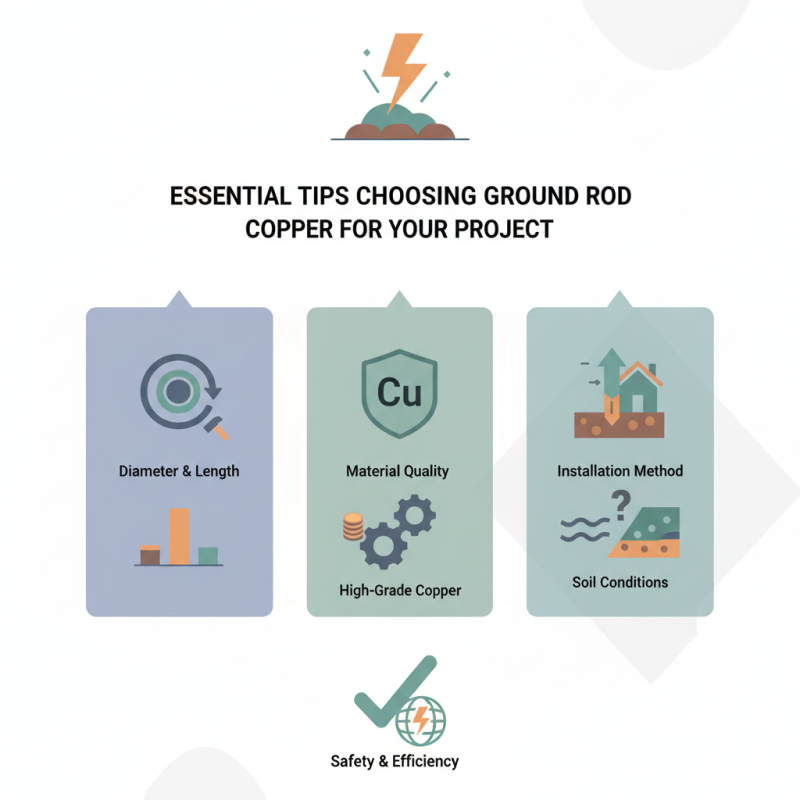
When selecting Ground Rod Copper, you should consider several factors. The diameter and length can affect conductivity and durability. A thicker rod might seem better but can also be harder to install. The material's quality is equally important. High-grade copper offers superior performance, but it often comes at a higher cost.
Moreover, the installation method can influence the efficacy of the ground rod. Proper placement is critical, yet it is often a source of confusion. Many forget that soil conditions vary significantly. This variability can impact the overall performance of the ground rod. So, reflect on these aspects and choose wisely.
Understanding the Importance of Ground Rods in Electrical Projects
Ground rods play a crucial role in electrical safety by grounding electrical systems. A proper ground rod ensures effective dissipation of electrical surges, protecting your project from damage. Without a reliable ground, fluctuations in electricity can lead to dangerous situations, including equipment failure and fire risks.
Choosing the right ground rod, particularly copper, is essential. Copper rods offer excellent conductivity and corrosion resistance, which enhances their longevity. However, they can be more expensive than other materials. When selecting a ground rod, consider the soil conditions in your area. Some soils are more corrosive than others, impacting the rod’s lifespan.
Often, individuals underestimate the importance of proper installation. A ground rod must be driven deep enough to reach moist soil for optimal effectiveness. Shallow installation may not provide reliable grounding. Regular inspections of the ground rod setup help ensure ongoing performance. It's easy to overlook these factors, but a thoughtful approach can prevent costly issues later down the line.
Types of Copper Used for Ground Rods: Key Differences and Benefits
When selecting ground rods, understanding the types of copper available is crucial. Primarily, two types of copper are used: bare copper and copper-clad steel. Bare copper rods are highly conductive and resistant to corrosion. They offer excellent performance in various soil conditions. For professionals, using bare copper can reduce the risk of electrical corrosion over time.
Copper-clad steel, on the other hand, combines the strength of steel and the conductivity of copper. This type is often more affordable, making it appealing for large-scale projects. Reports indicate that 65% of electrical contractors prefer copper-clad versions due to their balance of performance and cost. However, one should note that while copper-clad may resist bending, it can be less effective in highly corrosive soils.
Understanding these differences is vital. For instance, bare copper may be necessary in coastal areas with high salt content. Yet, the longevity of copper-clad in less aggressive environments is worth considering. It's essential to weigh the advantages against potential drawbacks, such as environmental conditions and project budgets, to make an informed choice.
Factors to Consider When Selecting Copper Ground Rods for Your Needs
When selecting copper ground rods, several factors come into play. The diameter of the rod matters. A thicker rod tends to have lower resistance, improving electrical safety. Consider the length as well. Longer rods can penetrate deeper into the earth, enhancing grounding effectiveness in various soil types.
Soil conditions cannot be ignored. Sandy or rocky soils may require deeper grounding rods. Ground resistance levels also play a crucial role in preventing electrical issues. Different installations may need different rod lengths based on local conditions. Accessibility to the installation site should be factored in too, as some locations might limit the installation process.
Copper quality is essential. Pure copper rods offer better conductivity, but they can be more expensive. Reflect on budget constraints. Sometimes, opting for a lower-grade copper rod may lead to higher long-term costs due to maintenance. Weighing these choices thoughtfully can make a significant difference in your project's success.
Installation Techniques for Copper Ground Rods: Best Practices
When it comes to installing copper ground rods, proper techniques significantly influence the effectiveness of the grounding system. A study by the Institute of Electrical and Electronics Engineers (IEEE) shows that improper installation can lead to increased resistance, impacting electrical safety. Ensuring that the rod is driven deep enough into the ground is crucial. Standard practice recommends a minimum depth of eight feet for effective grounding in most soil types.
**Tips:** Always check for any underground utilities before drilling. A simple call can prevent costly mistakes.
The use of a proper installation tool, like a hammer drill or a ground rod driver, can ensure a straight and deep insertion. According to the National Electrical Code (NEC), the resistance of the ground rod should be kept below 25 ohms. This requires close attention to soil conditions. Wet soils yield better conductivity. If the soil is dry, consider using conductive grounding compounds to enhance connection quality.
**Tips:** Test the resistance after installation. Adjustments may be necessary to meet safety standards.
Documenting the installation process can offer insights for future projects. It can help identify mistakes or areas of improvement. This reflection is vital for long-term reliability. Implementing these installation techniques is essential in ensuring consistent performance and safety in electrical applications.
Maintenance Tips to Ensure Longevity of Copper Ground Rods
When working with copper ground rods, maintenance is crucial for ensuring their longevity. Copper, while known for its excellent conductivity and corrosion resistance, can still face issues over time if not properly cared for. Studies suggest that grounding systems require regular inspections to remain effective. It is essential to check the connections and ensure they are secure to prevent any potential failures.
Keep the area around the ground rod clear of debris and vegetation. These materials can trap moisture, leading to corrosion. Additionally, monitor the moisture levels in the surrounding soil. Excessive moisture can degrade copper faster than expected. A periodic cleaning with a damp cloth can help extend the life of the rod by removing any built-up grime.
Remember to test the grounding system regularly. Use a clamp-on ground tester to verify the resistance. Ideally, it should remain under 25 ohms. A higher resistance indicates poor grounding, which could lead to electrical issues. Record the results to track any changes over time. Reflecting on these maintenance tips can drastically improve the lifespan of your copper ground rods.