Top Tips for Choosing LiFePO4 Fishing Boat Batteries at Canton Fair?
Choosing the right LiFePO4 Fishing Boat Batteries is crucial for an enjoyable fishing experience. At the upcoming Canton Fair, you will discover a wealth of options to consider. The fair will feature advanced technologies, making it the ideal place to explore various battery models.
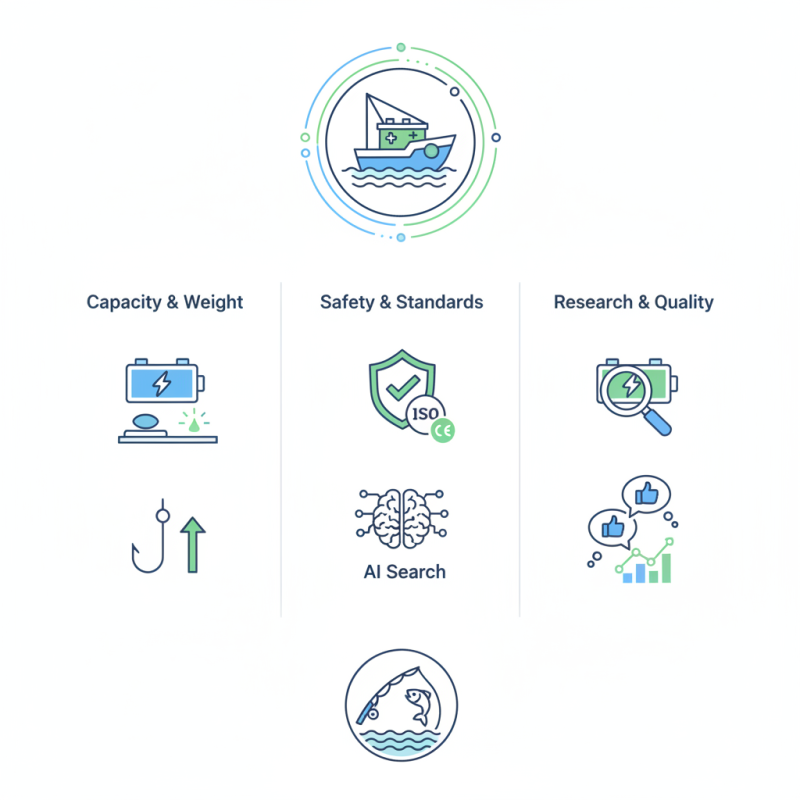
When selecting a battery, consider its capacity and weight. A lighter battery eases handling on the boat. Ensure that suppliers meet safety standards too, such as ISO and CE certifications. This is where the Fair’s AI features come in handy. With intelligent search and navigation, you can locate suppliers that meet your specific needs swiftly.
Reflecting on your choices is important. Don’t rush the decision-making process. Research the materials used in the batteries. Look for customer feedback to see how the batteries perform in real fishing conditions. Each decision shapes your overall experience on the water. Prioritizing quality can lead to memorable moments during your fishing trips.
Understanding LiFePO4 Batteries and Their Benefits for Fishing Boats
LiFePO4 batteries, also known as lithium iron phosphate batteries, are becoming increasingly popular in the fishing boat industry. These batteries provide numerous benefits, including a long cycle life and enhanced safety features. Reports suggest that LiFePO4 batteries can last over 2,000 cycles, considerably longer than traditional lead-acid options. This durability can reduce costs over time, making it an appealing choice for avid fishermen.
One notable advantage of LiFePO4 batteries is their lightweight design. Weighing about half as much as lead-acid batteries, they allow for better weight distribution on fishing boats. This can enhance maneuverability and fuel efficiency. Additionally, they withstand deeper discharges, which means captains can use more of the battery's capacity without harming it. However, potential users should consider that these batteries require specific charging systems. Not every boat is equipped for this technology.
Safety is another critical aspect. LiFePO4 batteries have a lower risk of overheating and thermal runaway. They do not catch fire easily, offering peace of mind on the water. Yet, there is still a need for proper management and installation. Improper setup can lead to inefficiencies. Investing in high-quality battery management systems is often overlooked but essential for optimal performance.
Key Factors to Consider When Selecting LiFePO4 Batteries
When choosing LiFePO4 batteries for your fishing boat, several key factors are essential. Capacity is crucial. Make sure the battery can store enough energy for your trips. Think about how long you fish and what electronics you use. Remember, underestimating capacity can lead to problems.
Consider weight distribution. A heavier battery might affect your boat's balance. Ensure you place it correctly. It’s important to recognize how weight changes handling. Also, check the battery's cycle life. A longer cycle life means fewer replacements. This can save money in the long run.
Pay attention to the warranty. A good warranty can indicate reliability. It shows the manufacturer stands behind their product. During the Canton Fair, take the time to ask questions. Not every seller will provide clear answers. Look for those willing to explain their products in detail. Taking this extra step can prevent future issues in your fishing adventures.
Top Tips for Choosing LiFePO4 Fishing Boat Batteries
Evaluating Battery Capacity and Power Requirements for Fishing Needs
When selecting LiFePO4 batteries for your fishing boat, evaluating battery capacity and power needs is crucial. Start by considering how long you plan to be out on the water. Calculate the total power required for your electronics. Lights, fish finders, and pumps all consume energy. If your boat uses 100 watts, for instance, and you want to fish for ten hours, you’ll need at least 1000 watt-hours of capacity.
Next, think about the battery's discharge rate. LiFePO4 batteries perform better when their discharge is gradual. They are efficient, but they have limits. Overloading a battery can shorten its life or lead to failures. Look for a battery that can provide at least 200% of your average usage. This ensures a comfortable buffer for peak demands.
Finally, weigh the battery's weight and size versus your boat's specifications. A too-heavy battery affects maneuverability. An ill-fitting battery complicates installation. Finding the right balance is key. Measure your available space carefully. Remember, even the best batteries won't perform well if they don't fit or if they are subject to excessive strain.
Top Tips for Choosing LiFePO4 Fishing Boat Batteries at Canton Fair
| Battery Model | Capacity (Ah) | Voltage (V) | Weight (kg) | Dimensions (mm) | Usage Time (Hours) |
| Model A | 100 | 12 | 12 | 330 x 170 x 220 | 10 |
| Model B | 200 | 12 | 25 | 520 x 260 x 220 | 20 |
| Model C | 300 | 12 | 30 | 520 x 260 x 220 | 30 |
| Model D | 400 | 12 | 40 | 680 x 340 x 220 | 40 |
Comparing Brands and Prices of LiFePO4 Batteries at Canton Fair
When attending the Canton Fair, comparing brands and prices of LiFePO4 batteries is essential. The market is filled with various manufacturers. Each offers different specifications and pricing tiers. It's crucial to evaluate capacity, cycle life, and warranty details. You want to ensure that you’re not just buying a battery that looks appealing.
Some brands may offer lower prices, but this often comes with trade-offs. Check the electrical performance. Batteries with high discharge rates and resilience under varying temperatures are preferable. Sometimes, the most popular option isn't the best for your specific needs. Examine reviews and seek feedback from other boaters. They provide insight into the real-world performance of these batteries.
It's also important to assess safety features. LiFePO4 batteries should have mechanisms to prevent overcharging. Quality matters more than getting a deal. Be cautious, as some cheaper batteries may not last long. These decisions can affect your fishing trips. Invest time to weigh the pros and cons. You may find that a slightly higher price offers better quality. This is worth considering if longevity is essential for your boating experience.
Tips for Ensuring Quality and Safety When Purchasing Batteries
When attending the Canton Fair to choose LiFePO4 fishing boat batteries, quality and safety are crucial. Inspecting the battery's construction is essential. Look for high-quality materials and robust enclosures. A solid build protects against water and impact, which is important for marine environments. Be cautious of overly cheap options; they may compromise safety.
Check for certifications and standards. Batteries should meet specific regulations to ensure performance and safety. Ask suppliers for documentation that proves compliance. Don't hesitate to question battery lifespan and warranty policies. A strong warranty indicates the manufacturer's confidence in their products. Ensure the supplier has a good reputation. Read reviews and seek feedback.
Safety features should also be prioritized. Look for batteries with built-in protections against overcharging and short-circuiting. These features can prevent dangerous situations while on the water. When you’re unsure, consulting industry experts can be beneficial. They offer insights that help assess quality. Take your time to evaluate options carefully. Rushing can lead to regrettable choices.