Top 10 Structured Cable Tips for Better Network Performance
In today's rapidly evolving digital landscape, the performance of network infrastructures is more crucial than ever. According to a report by the International Data Corporation (IDC), the demand for reliable and high-speed connectivity is projected to grow at an annual rate of 15% over the next five years. A significant factor contributing to this increasing requirement is the reliance on structured cable systems, which provide a standardized method for wiring networks and ensure optimal data transmission. Industry expert Dr. Emily Zhao emphasizes the importance of structured cable solutions by stating, "Investing in quality structured cabling is not just about meeting current demands; it’s about future-proofing your network for innovations around the corner."
As businesses continually integrate advanced technologies such as IoT devices and cloud-based applications, the effectiveness of network performance directly hinges on the quality of the structured cable infrastructure. A streamlined cabling system not only enhances data transfer speeds but also supports bandwidth requirements, ultimately leading to improved operational efficiency. It is crucial, therefore, for organizations to understand the best practices associated with structured cable deployment to fully leverage their network capabilities. By adhering to these top tips, businesses can optimize their network performance and ensure a seamless and robust connectivity experience in an increasingly digital world.
Understanding Structured Cabling and Its Importance in Network Performance
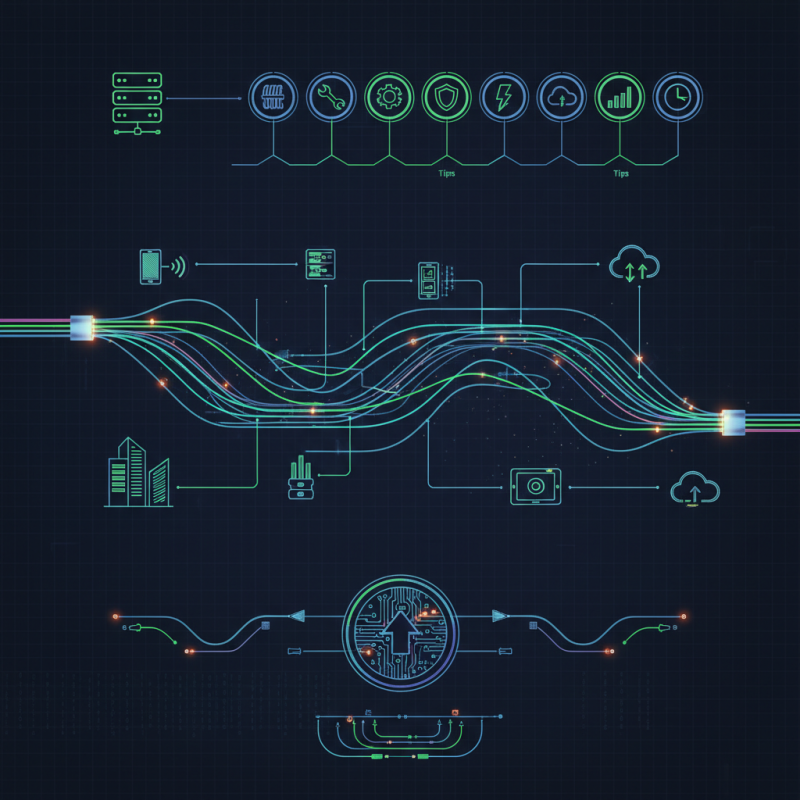
Structured cabling is the backbone of any effective network infrastructure, providing a standardized way to manage and transmit data across multiple devices. This systematic approach ensures that cables are neatly organized, which reduces the risk of interference and signal loss. By having a well-designed cabling system, businesses can enhance their network performance, support higher data speeds, and improve overall reliability.
Structured cabling also facilitates easier troubleshooting and upgrades, allowing for a more efficient response to changing technological needs.
The importance of structured cabling extends beyond just organization; it plays a crucial role in scalability and flexibility. As businesses grow and evolve, their network requirements often change, necessitating additional connections or bandwidth. A robust structured cabling system can easily accommodate these changes without extensive overhauls or interruptions. Moreover, adherence to structured cabling standards ensures that installations are future-proofed, allowing organizations to leverage new technologies as they arise.
In this way, investing in a sound structured cabling solution is essential for any organization aiming to maintain competitive network performance in an ever-evolving digital landscape.
Choosing the Right Cable Types for Different Network Needs
When selecting the right cable types for various network needs, it’s essential to consider performance metrics and the specific requirements of your environment. According to the Telecommunications Industry Association (TIA), transitioning to higher bandwidth networks necessitates the use of cables that can efficiently handle increased data traffic. For instance, Category 6 (Cat6) cables can support up to 10 Gbps over short distances, making them suitable for high-demand applications like data centers and enterprise networks. In contrast, Category 5e (Cat5e) cables, while still widely used, are better suited for standard internet tasks, supporting speeds up to 1 Gbps.
Moreover, the length of the cable run plays a crucial role in performance. The Electronic Industries Alliance (EIA) specifies that signal degradation occurs over distances exceeding 100 meters for twisted pair cables. Therefore, organizations need to match their cable types with the intended use case—whether it’s for expansive networks requiring fiber optic cables for long-distance communication or copper cables for localized installations. The right choice not only improves network efficiency but also minimizes downtime, ultimately enhancing the overall user experience and productivity within an organization.
Top 10 Structured Cable Tips for Better Network Performance
Optimal Cable Installation Techniques to Enhance Signal Quality
Proper cable installation techniques are crucial for optimizing network performance and enhancing signal quality. According to the Telecommunications Industry Association (TIA), over 80% of network performance issues can be traced back to installation errors. Ensuring adherence to best practices during the installation phase can minimize electrical interference and signal degradation. For instance, maintaining appropriate distances from potential sources of electromagnetic interference, such as fluorescent lighting and heavy machinery, is essential. An ideal strategy includes using twisted pair cables, which are designed to cancel out electromagnetic interference over long distances, significantly improving the quality of the transmitted signal.
Furthermore, the National Institute of Standards and Technology (NIST) emphasizes the importance of proper bending radii and securing cables along installation paths. Sharp bends can introduce excess stress on the cables, leading to crushed or damaged conductors, which directly affects performance. Tightening installation practices by implementing consistent support systems, like cable trays or runways, can prevent physical damage. A recent report from Gartner highlights that organizations that focus on systematic and professional-grade cable installation see a performance boost of up to 30%. This aligns with the broader goal of maintaining an efficient and reliable network environment, crucial for today’s data-driven operations.
Effective Cable Management Strategies to Reduce Interference
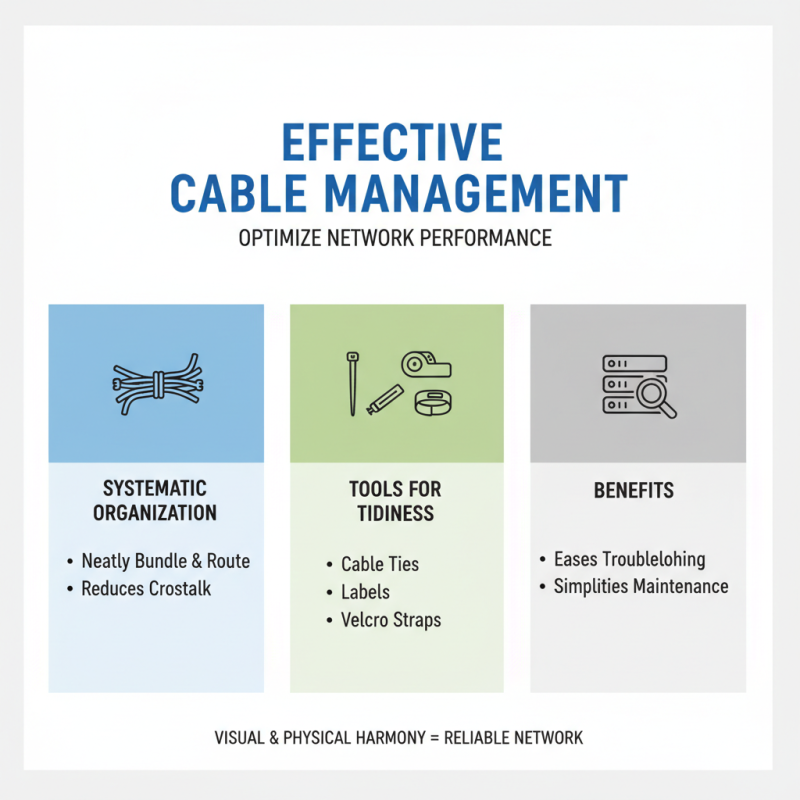
Effective cable management is crucial for optimizing network performance and minimizing interference. One of the most important strategies is to organize cables systematically, ensuring they are neatly bundled and routed. This helps reduce crosstalk between cables and prevents signal degradation. Using cable ties, labels, and Velcro straps can significantly enhance the visual and physical organization of cables, making troubleshooting and maintenance easier.
Another key strategy involves maintaining adequate separation between power and data cables. By keeping these distinct types of cables apart, you minimize electromagnetic interference, which can disrupt data transmission. Additionally, using conduit or raceways can provide a protective channel for cables while ensuring they remain organized and secure. Implementing these effective cable management practices not only enhances network reliability but also contributes to a cleaner and more professional environment.
Testing and Maintenance Practices for Long-lasting Network Health
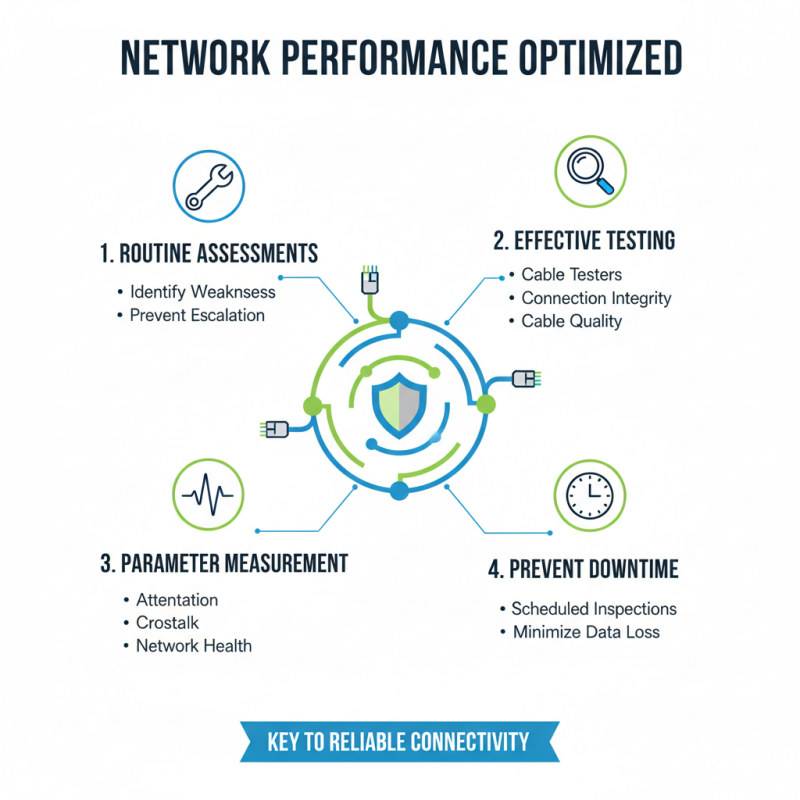
Maintaining optimal network performance hinges significantly on effective testing and maintenance practices. Regular assessments of your structured cabling system can identify potential weaknesses before they escalate into major issues. Utilizing tools such as cable testers not only ensures the integrity of connections and cable quality but also allows for the measurement of parameters like attenuation and crosstalk, which are critical to maintaining the overall health of the network. By scheduling routine inspections, you can pinpoint areas that require attention, thereby preventing unexpected downtime or data loss.
Furthermore, ongoing maintenance practices are vital for sustaining network longevity. This includes keeping cable pathways organized and clear of obstructions, which minimizes the risk of physical damage. Implementing a structured documentation process for all changes made to the network helps maintain clarity and simplifies troubleshooting. Depending on the scale of your network, consider also conducting periodic audits to ensure compliance with industry standards, which can enhance reliability and performance. By prioritizing these testing and maintenance protocols, you can foster a robust network environment that adapts to changing demands while reducing the chances of failure.