How to Transition from Cable to Fiber for Better Internet?
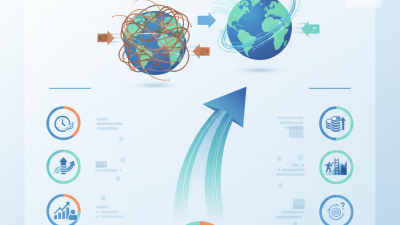
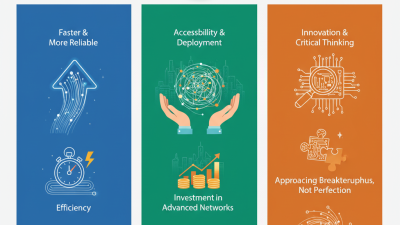
Transitioning from cable to fiber can seem daunting. Many users hesitate, unsure of the benefits. However, fiber internet offers faster speeds and greater reliability.
One major advantage of fiber is its ability to handle high data demands. With more devices connected to the home network, fiber ensures smooth streaming and gaming. In contrast, cable may struggle under the same pressure, leading to slowdowns. Users often experience frustration when their speeds drop during peak hours.
While making this switch, some challenges may arise. Availability is a key factor. Not all areas have fiber service, which may limit options. Additionally, the installation process can vary, sometimes requiring professional help. Evaluating your current internet needs is crucial. Are you using cable primarily for streaming or gaming? Understanding your usage will help in finding the right fiber plan.
Understanding the Differences Between Cable and Fiber Internet
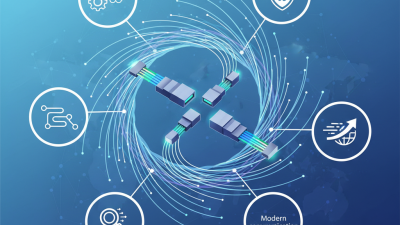
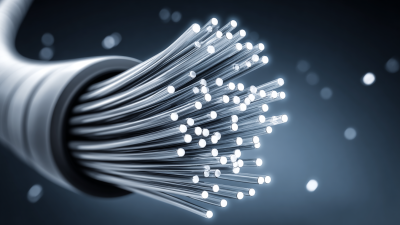
When considering the shift from cable to fiber internet, it's vital to grasp the differences. Fiber optic technology transmits data using light signals through glass or plastic strands. This enables faster data transfer rates compared to cable, which relies on copper wires. According to the Fiber Broadband Association, fiber connections can deliver speeds exceeding 1 Gbps, with some providers reaching up to 10 Gbps. In contrast, cable internet typically offers speeds around 100 to 500 Mbps.
Fiber optics provide greater reliability and lower latency. Studies show that fiber connections experience fewer disruptions compared to cable. This reliability is crucial for activities such as online gaming, video conferencing, and streaming in high definition. A report from the Pew Research Center highlights that 82% of the population relies on stable internet for work or educational purposes. However, transitioning to fiber may require adjustments. Infrastructure in some areas may not support fiber installations.
The installation process can also be lengthy and may cost more upfront. Many users express frustration during this transition phase. It's essential to weigh these factors against the long-term benefits of fiber technology. With the right provider and infrastructure, the advantages of fiber can significantly surpass the limitations of cable.
Assessing Your Internet Needs Before Transitioning to Fiber
Before switching to fiber internet, it's crucial to assess your specific needs. Understanding your internet usage is essential. A report by the Fiber Broadband Association indicates that nearly 90% of users desire high-speed connectivity for streaming and gaming. If you frequently download large files or work from home, fiber can provide significant benefits.
Consider your current internet speed and reliability. Many users face inconsistency with cable connections. According to a study from the Pew Research Center, 69% of Americans consider broadband essential. This shows a growing expectation for stable and fast service. Evaluate your household's internet habits. If multiple devices run simultaneously, fiber could reduce lag and buffer time.
Reflect on your budget as well. While fiber may present a higher initial cost, the benefits often outweigh these expenses. Research indicates that households using fiber report a 20-50% increase in productivity due to enhanced speeds. That said, it's essential to compare service providers to ensure competitive pricing and service quality. Tailoring your choice to your internet needs and budget helps in making a more informed decision.
Researching Available Fiber Internet Providers in Your Area
Transitioning to fiber internet can greatly enhance your online experience. The first step is to research available fiber internet providers in your area. Start by checking local listings online. Many communities have dedicated websites that list internet service providers. You may find useful user reviews and ratings.
When evaluating options, consider factors such as pricing, speeds, and contract terms. Visit provider websites for specific details. Look for information on installation fees and customer support. This information helps you make informed decisions.
Keep in mind the availability of fiber connections in your area. Some regions may have limited options. Don't be discouraged if all providers don’t offer fiber services yet. It might take time for them to expand their offerings.
Try reaching out to friends or family in your area for their experiences. Personal recommendations can provide insights that online reviews might not cover. If possible, ask about service reliability and speed consistency, as these can affect your overall satisfaction.
Steps to Terminate Your Cable Internet Service Safely
Transitioning from cable to fiber can seem daunting. However, with careful planning, you can terminate your cable internet service smoothly. Start by researching local fiber service providers. According to the Fiber Broadband Association, fiber internet can offer speeds up to 1 Gbps, vastly outperforming traditional cable connections. Look for service areas and any potential installation fees.
Once you have chosen a provider, contact your cable company. This step may require patience as representatives often work in call centers. Inform them of your decision to cancel. Clarify the final billing details and ensure you return any equipment to avoid extra charges. Fiber installations often take a few days. During this time, it's okay to feel uneasy about connectivity. Reports show 30% of users hesitate to switch due to concerns about service gaps.
After your fiber installation, test your new connection. You may experience an adjustment period. Fiber optics can provide a more reliable signal, but local infrastructure can vary. If speeds are not as expected, reach out to your new provider promptly. This proactive approach ensures you're on the right track. Remember, the benefits of fiber often outweigh the early bumps in the road.
Internet Speeds Before and After Transitioning from Cable to Fiber
This chart illustrates the average internet speeds experienced by users before and after transitioning from cable to fiber optic internet service. The data highlights significant improvements in download and upload speeds, showcasing the benefits of making the switch.
Setting Up Your Fiber Internet Connection at Home
Setting up your fiber internet connection at home can feel like a daunting task. However, with the right approach, it can be seamless. Start by verifying if your location is fiber-ready. Contact providers to check availability. Once confirmed, schedule an installation date that suits you. This is crucial for minimizing downtime.
On installation day, ensure your space is clear. The technician needs access to your main entry point. They will typically install an Optical Network Terminal (ONT) inside your home. This device is key for converting fiber signals to internet data. After setup, take a moment to run speed tests. This verifies that you’re receiving the expected service levels.
However, challenges may arise even after installation. Sometimes, equipment compatibility issues surface. Ensure your router supports fiber internet for optimal performance. If speeds are still lacking, adjustments may be necessary. Consider placing your router centrally in your home. Fiber offers incredible speed, but it’s essential to optimize your setup for the best experience. Don't forget to adjust settings based on your usage needs. Continuous reflection on your setup could lead to performance improvements.